Planning
Touch Up or Repaint the Whole Wall? How to Decide
A tiny scuff and a repaint-worthy mess can look identical the day after it happens. Here's how to actually tell them apart.
Licensed & Insured — Free Written Estimates Across Cities Nationwide
From the Crew
Painting guides, material breakdowns, and planning advice — no fluff, just what we tell customers on the job.
A tiny scuff and a repaint-worthy mess can look identical the day after it happens. Here's how to actually tell them apart.
The swatch never lied. It just never had to deal with your north-facing window and the beige carpet you forgot was there.
The paint dries fast. Living around a crew, moved furniture, and a house in flux for several days is the part that takes planning.

The goal is a crew painting by 9am, not one still moving your bookshelf. Here's the checklist that gets you there.
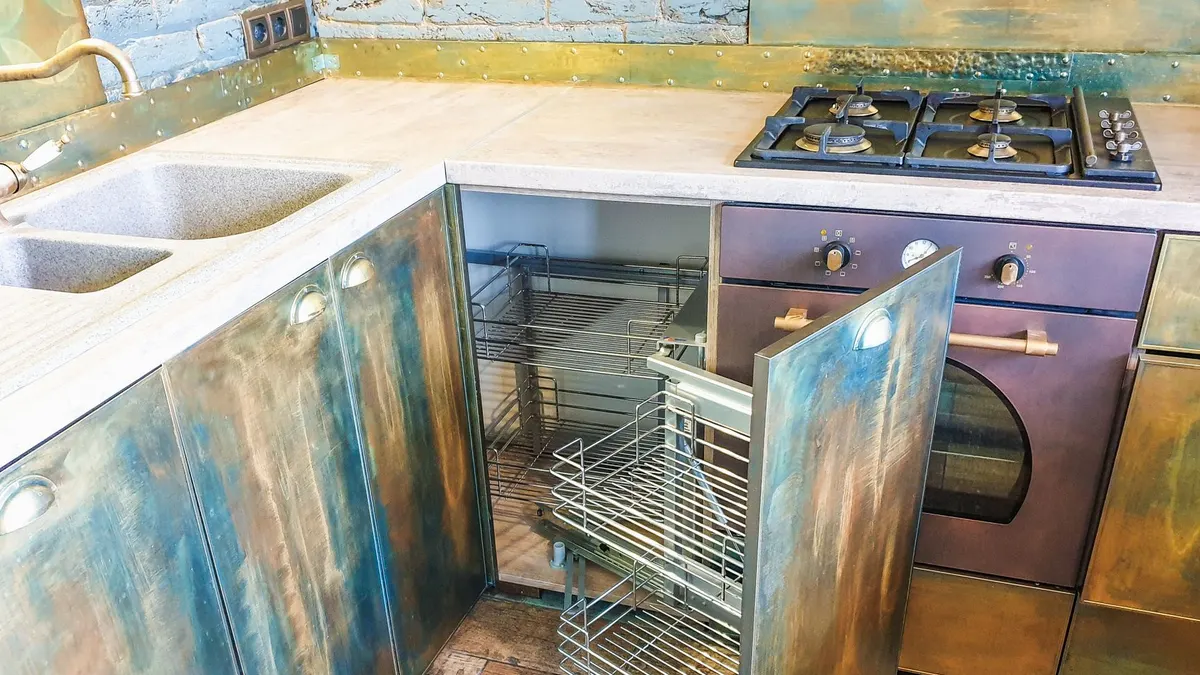
The coating system decides whether cabinets still look fresh in five years or need a touch-up in eighteen months.
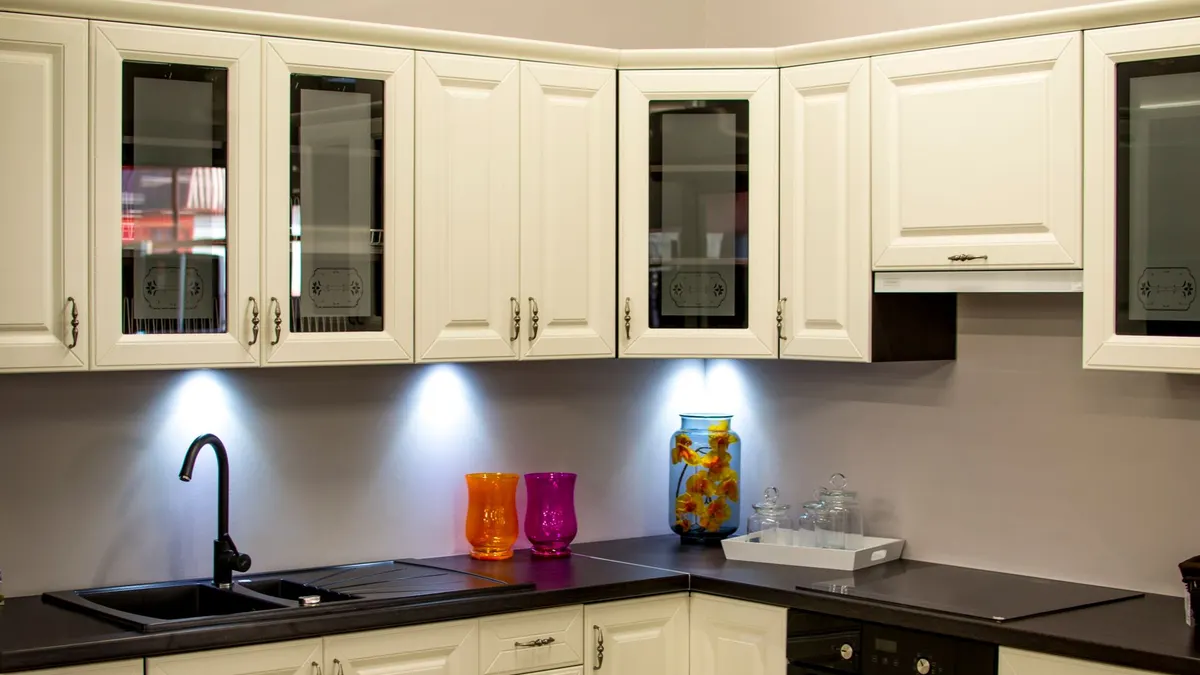
Painting changes how your cabinets look. Refacing changes what they actually are, door by door.
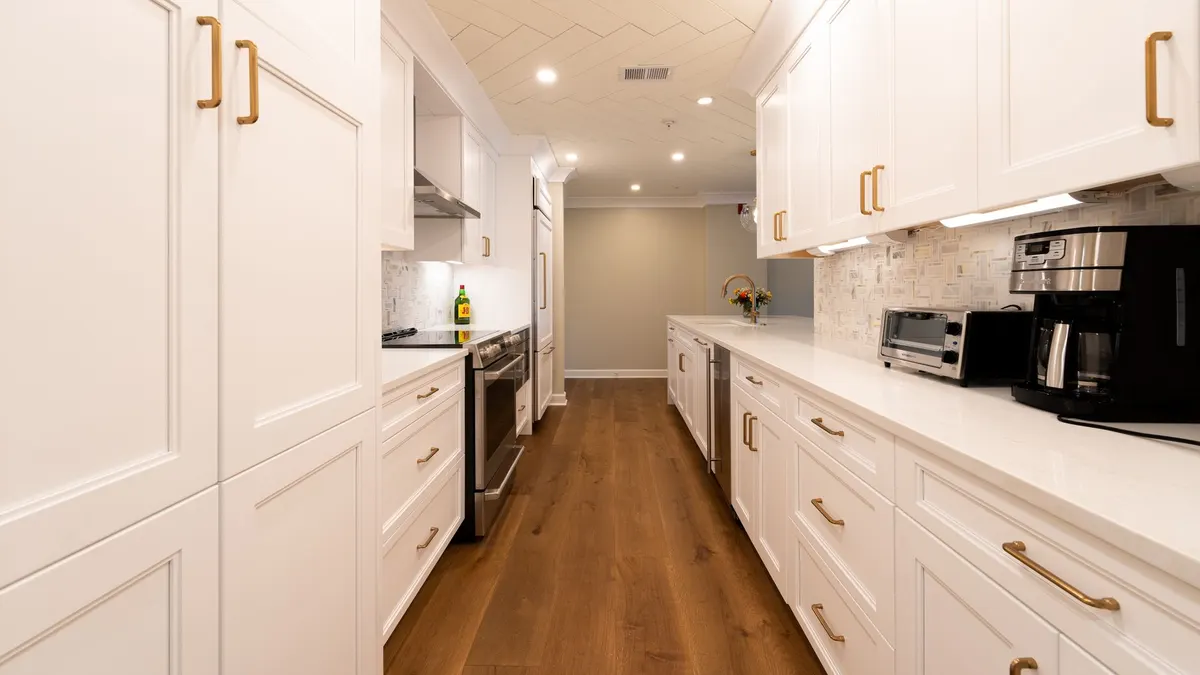
A cabinet box in solid shape doesn't care that the color's dated. Replacing it anyway solves a paint problem the expensive way.

Fresh paint doesn't guarantee a bigger offer. It does help buyers picture themselves in the house instead of your accent wall.
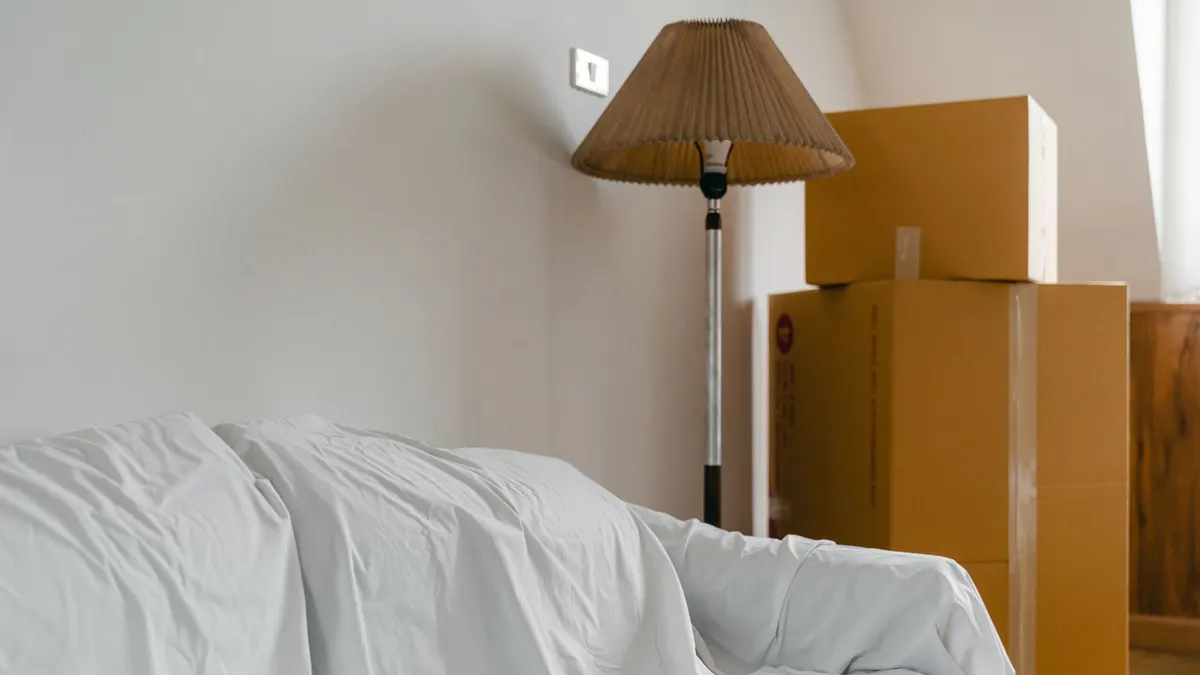
An empty house is the easiest window to paint in — but curing time and access still need to be planned around your move-in date.
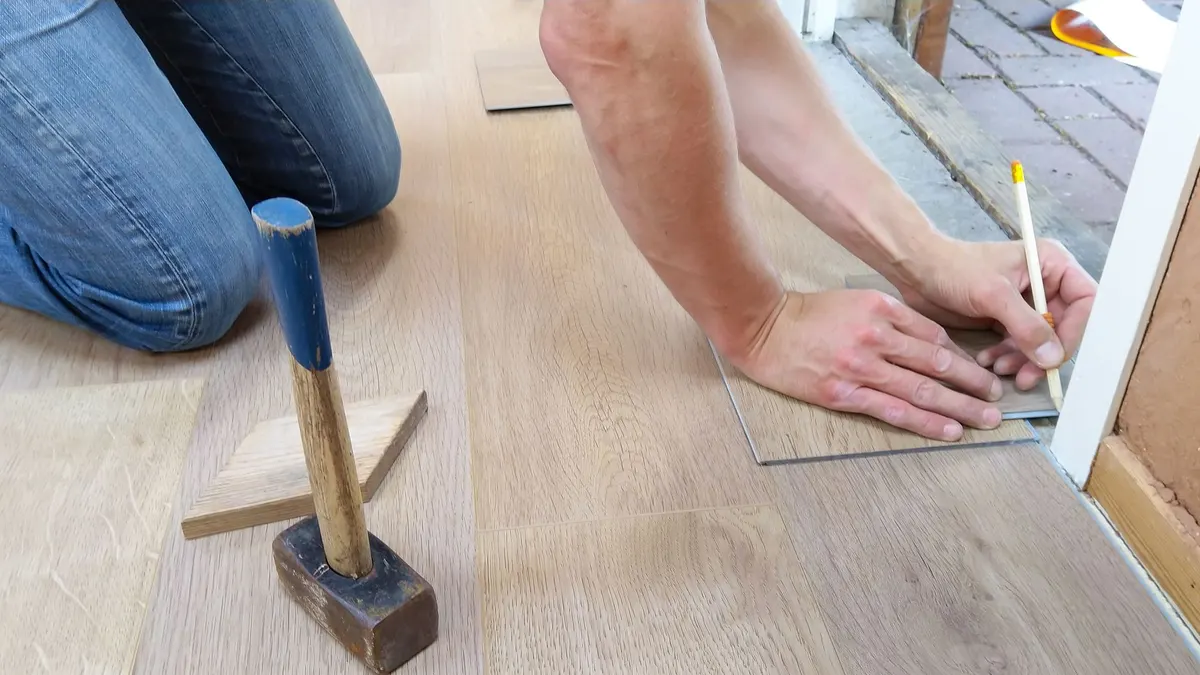
Get the sequence wrong and you're either protecting a brand-new floor from paint drips or repainting scuffed baseboards.
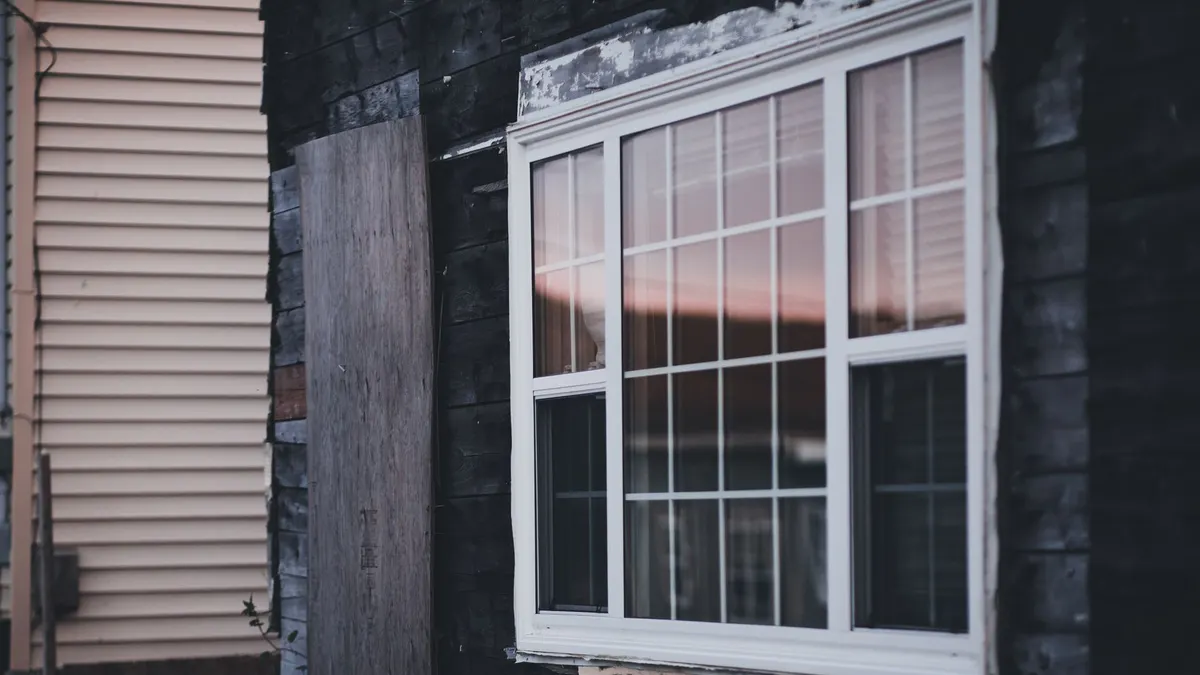
Dark exteriors look striking on day one and work harder than any other color choice for the rest of their life.
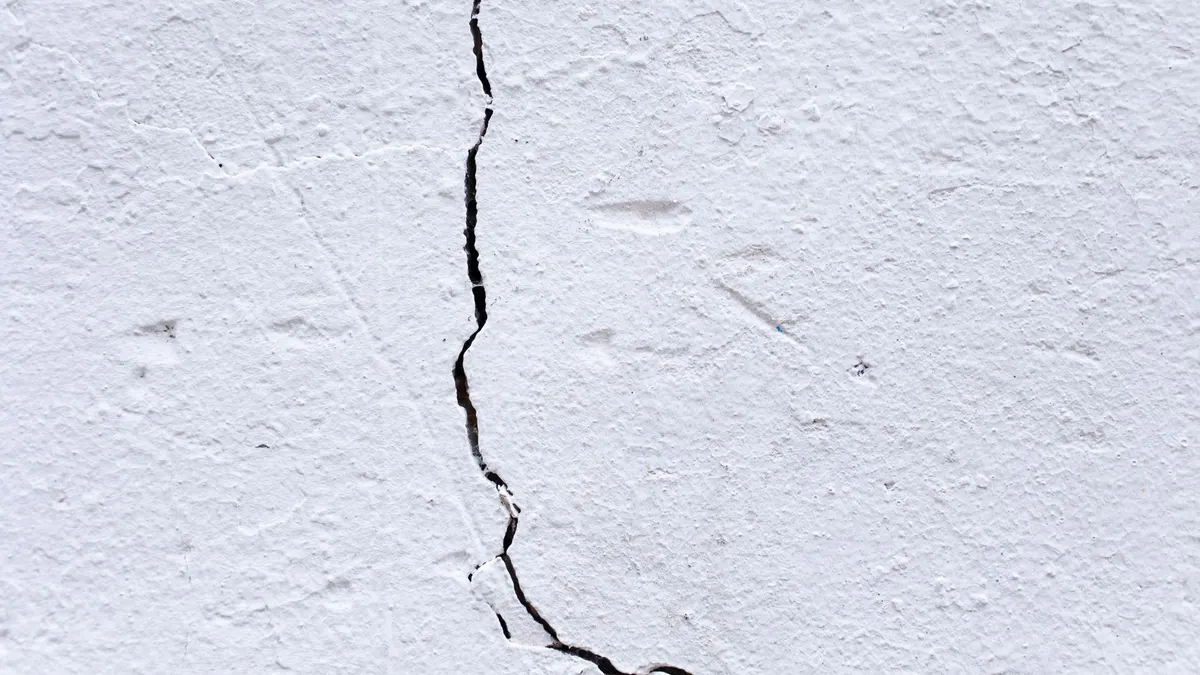
Paint can hide a hairline crack for a while. It can't convince the crack to stop happening if the stucco's still moving.
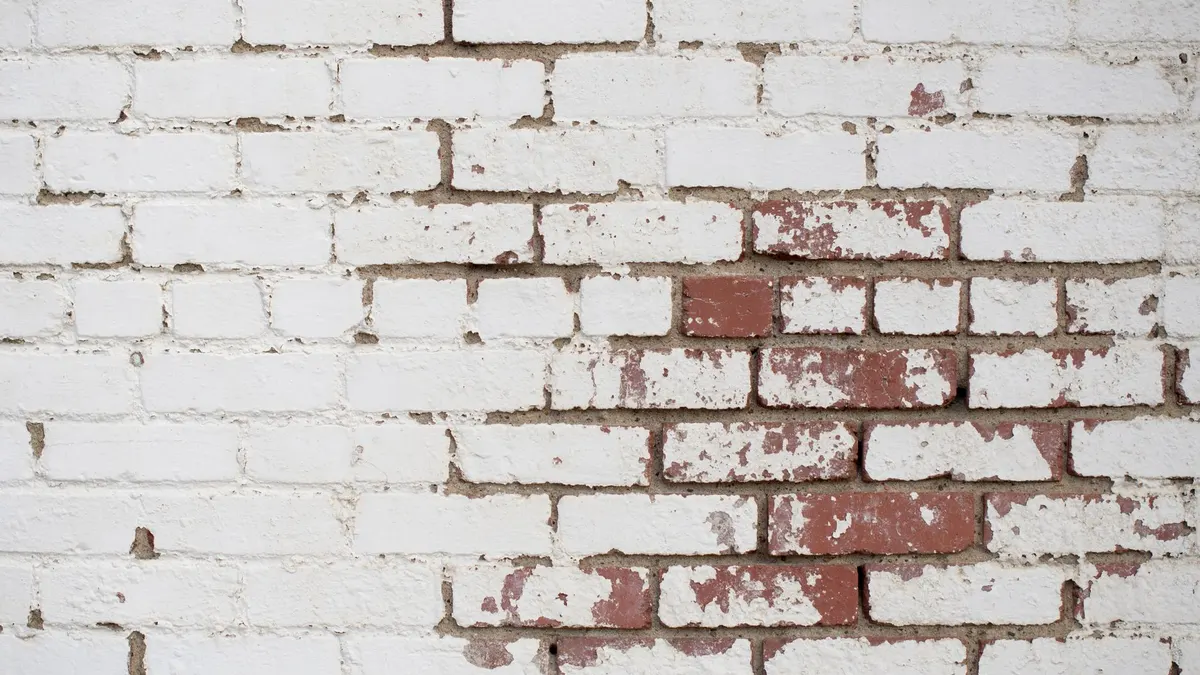
Limewash gives brick a soft, weathered look and lets it breathe. Paint gives uniform color and a repaint cycle to match.

Unpainted brick can go decades untouched. Once it's painted, that maintenance-free era is over for good.
Technically, almost any color is possible. Whether it's a good idea depends on how much heat that color absorbs on a July afternoon.
Dirt washes off. Chalking and peeling don't. Knowing the difference can save you from a repaint you don't need yet.
There's a real range for exterior repaint timing, and your siding, sun exposure, and climate decide where your house falls in it.
Pressure washing cleans better than rain, and it soaks the siding more too — which usually means a longer wait before paint.
It's less about counting hours and more about checking whether the surface is actually dry underneath.
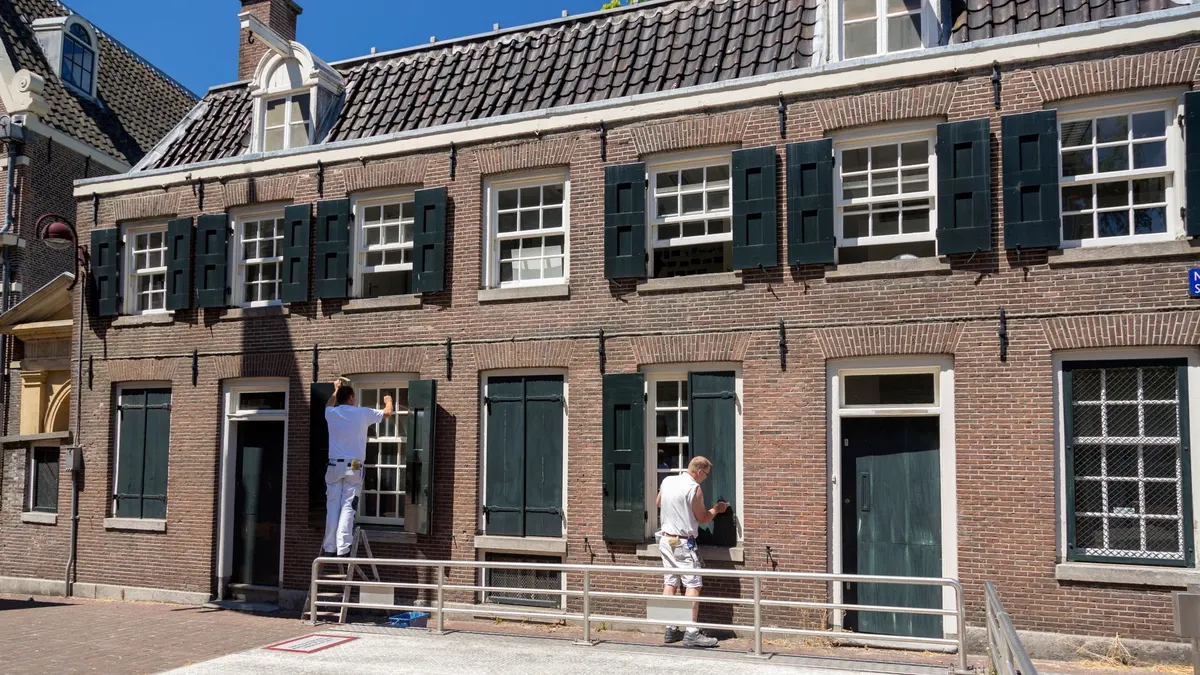
There's no single best month nationwide. There's a temperature and humidity window, and it moves depending on your climate.
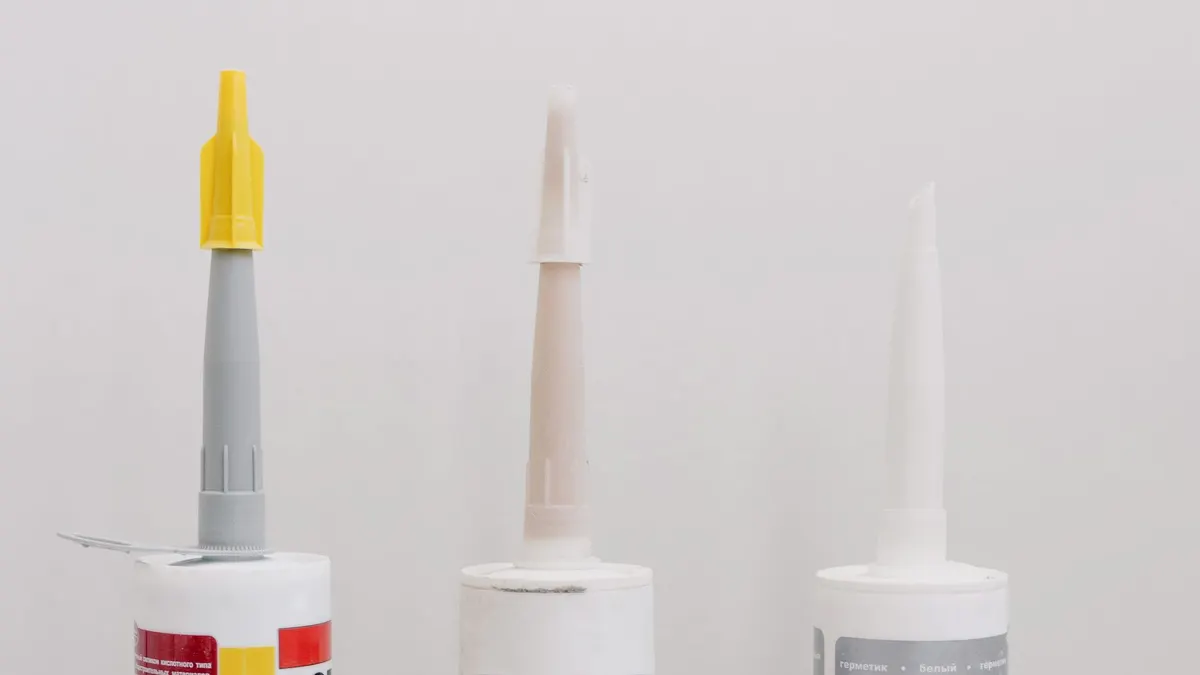
Caulk goes before paint, always. The real question is which gaps deserve it and which need to stay open on purpose.
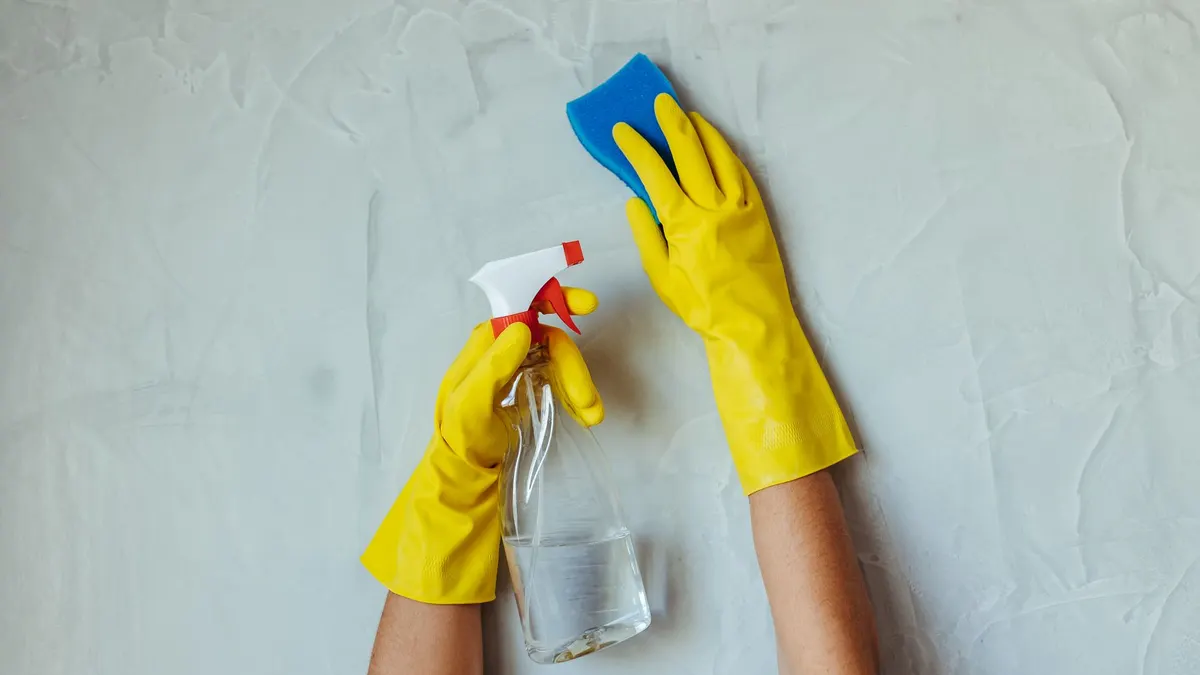
A wall can look spotless and still have a thin film of grease and dust paint has no interest in sticking to.
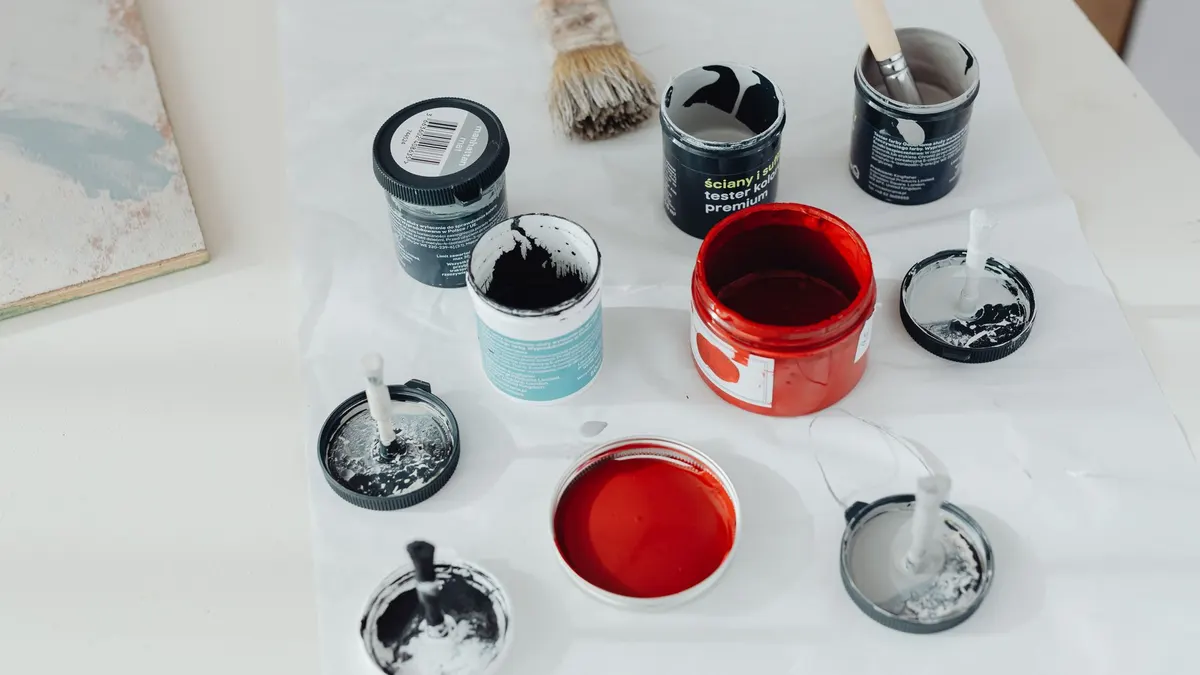
Latex and oil-based paint don't naturally bond. With the right prep, you can still switch between them.
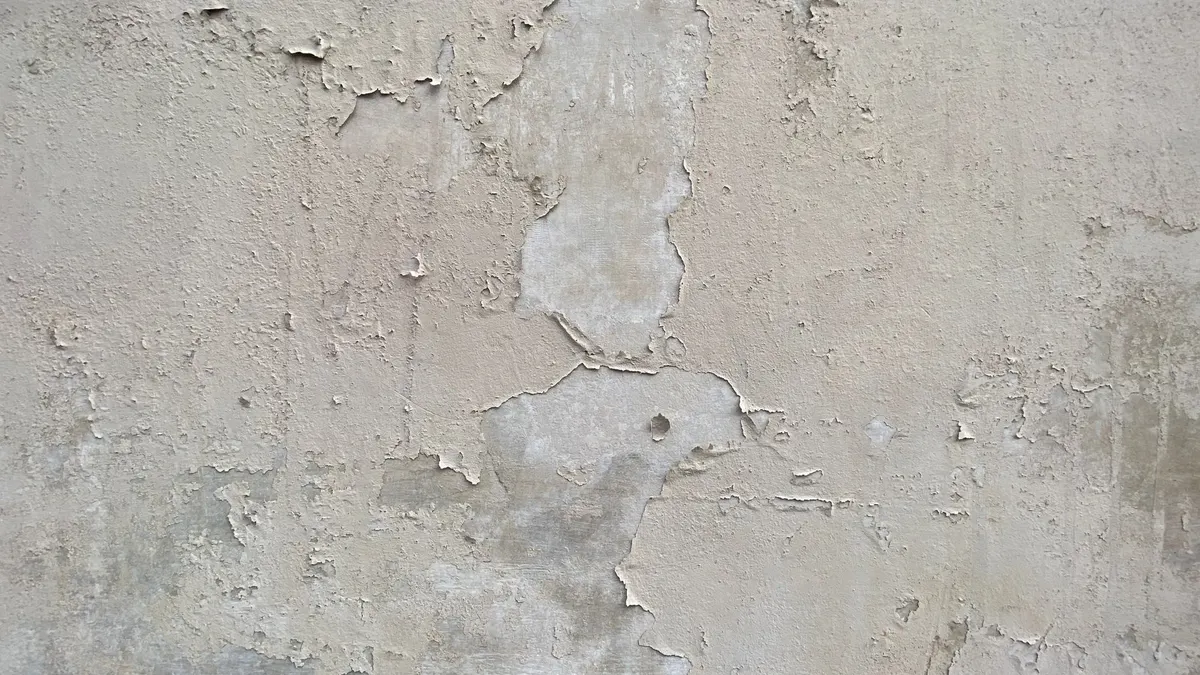
It's possible, but only as good as the seams underneath. Here's what to check before deciding whether to paint or remove.
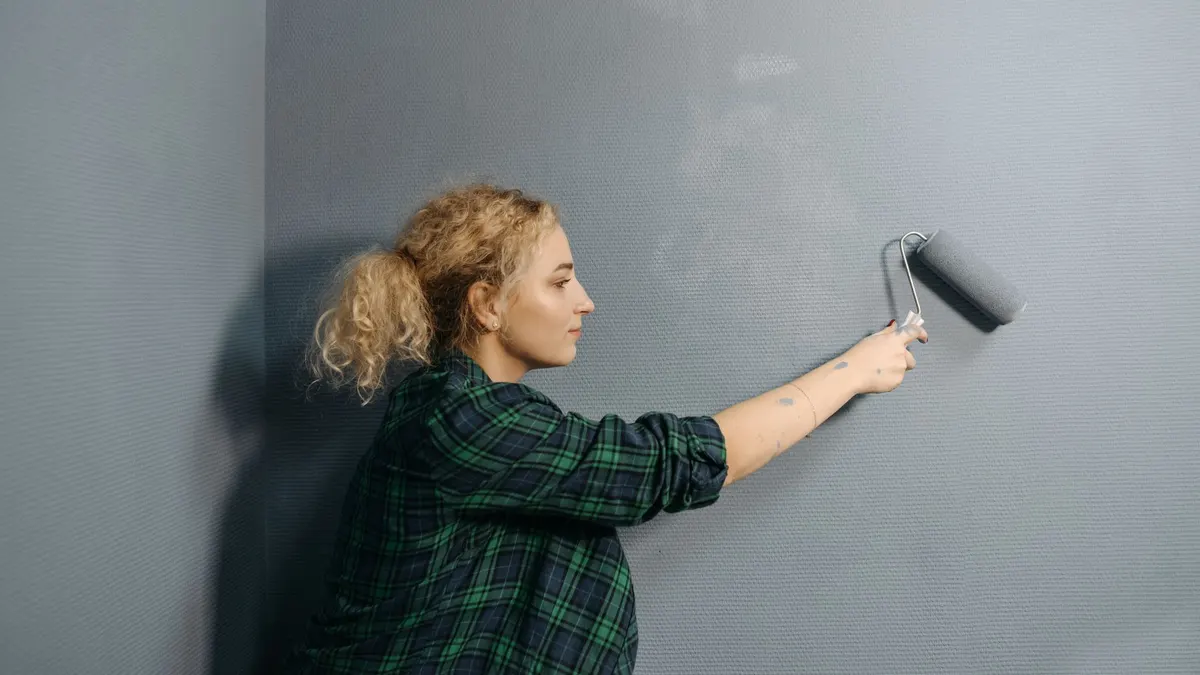
The can's one-coat promise is a best-case scenario, not a guarantee. Here's what actually decides whether you need a second pass.
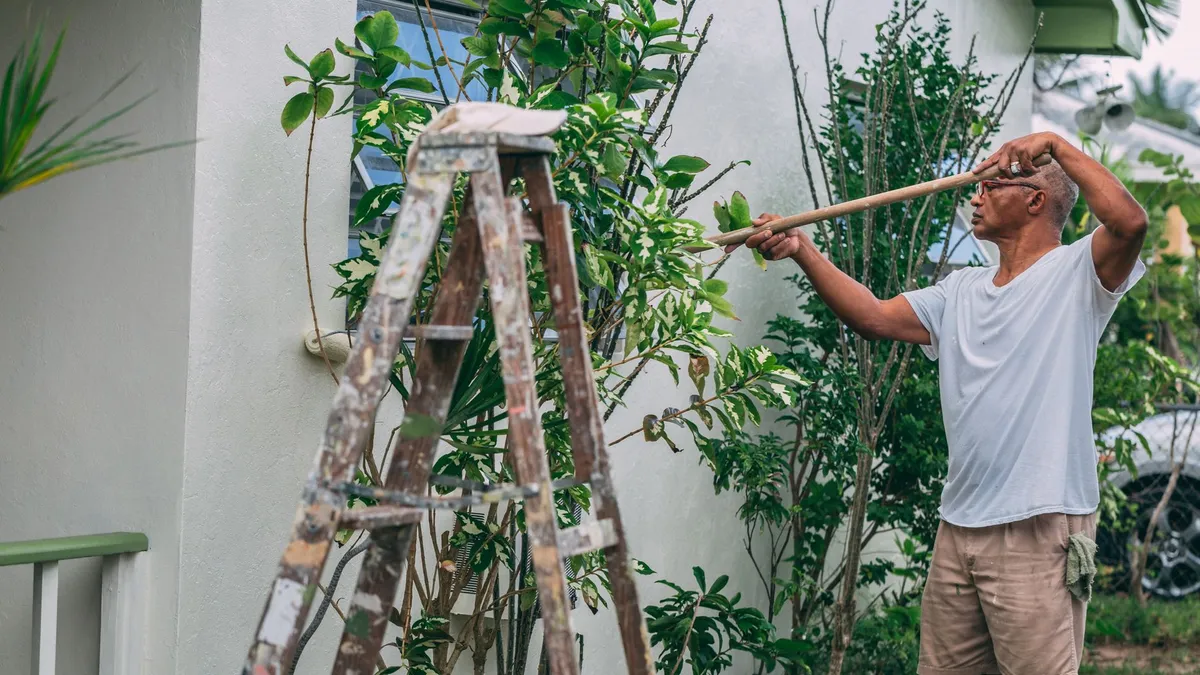
Sun exposure, siding material, and prep work move the number more than the paint brand does. Here's what changes the timeline.
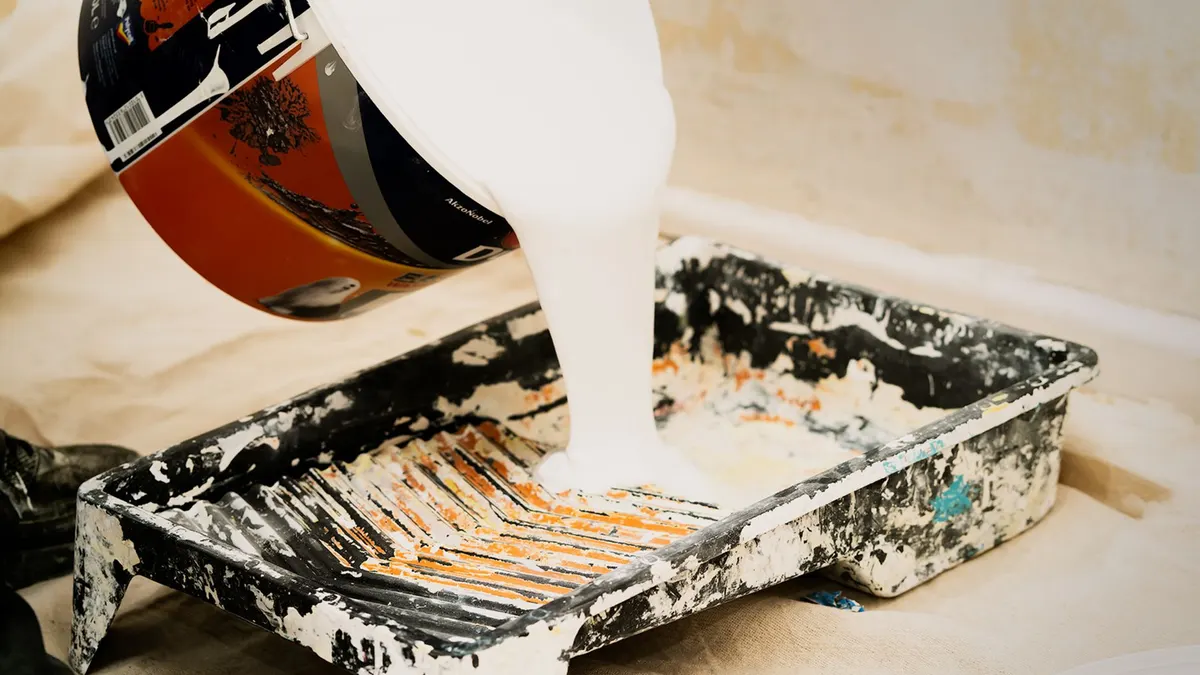
It's a real product, not a marketing trick. It's just not a substitute for primer on the surfaces that actually need one.
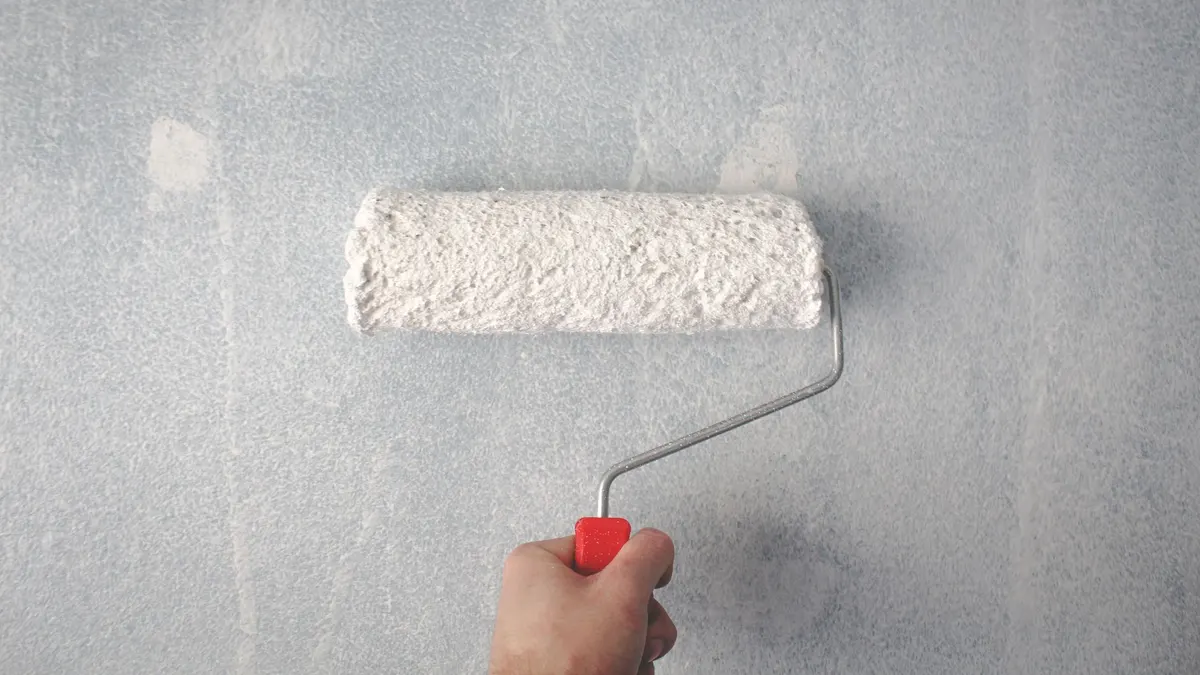
The step everyone wants to skip is also the one that decides whether the topcoat actually holds. Here's when it's genuinely optional.

Crayon, paw prints, and an indoor scooter — the wall doesn't get a vote. Here's paint that can actually take it.
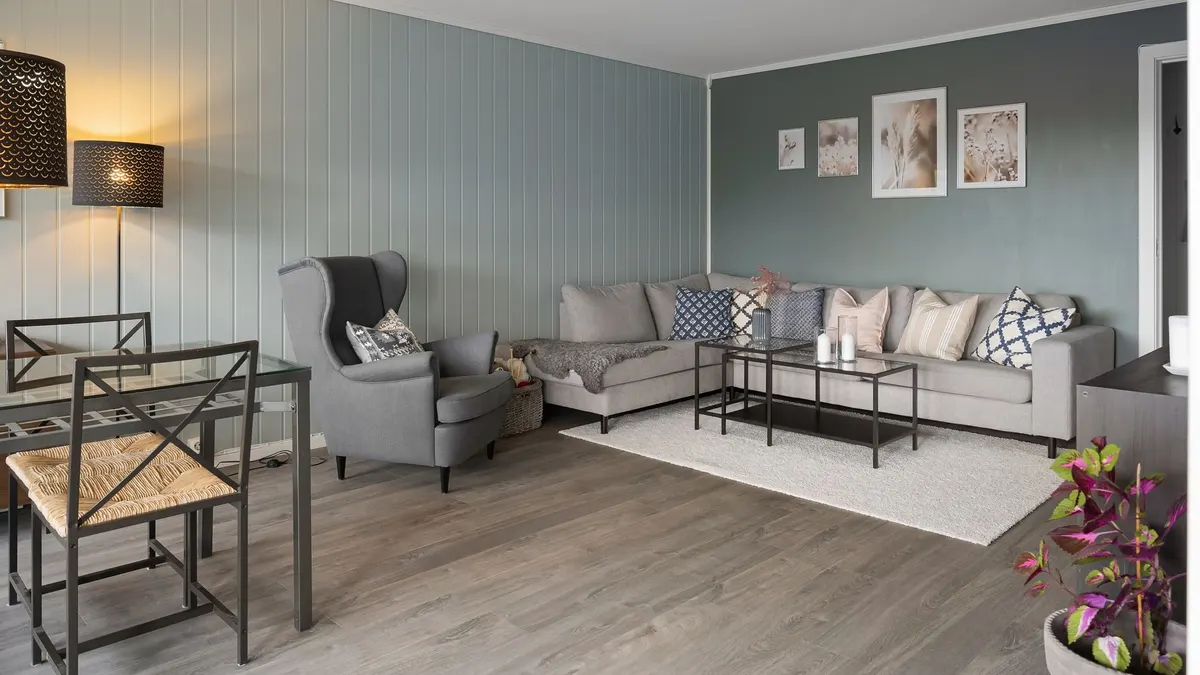
Sheen can hide a flaw. It can't fix one. Here's which finish gets you furthest with the imperfections you're not repairing.
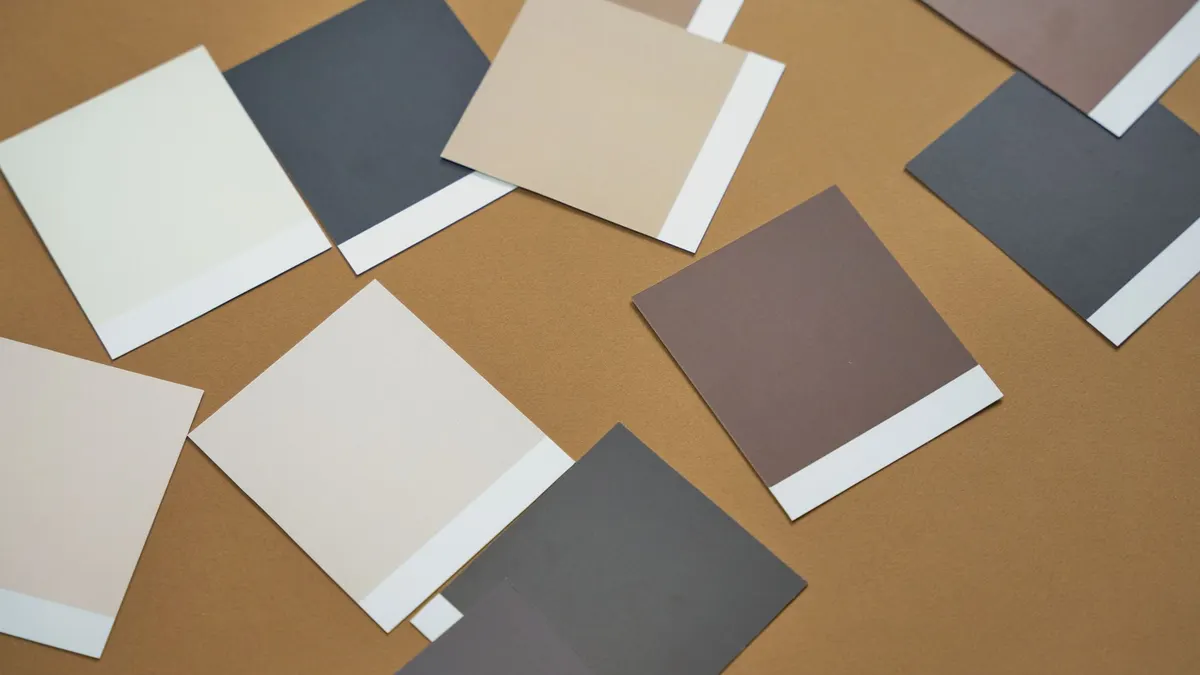
One notch apart on the sheen scale, and still a real difference on the wall. Here's the direct comparison.
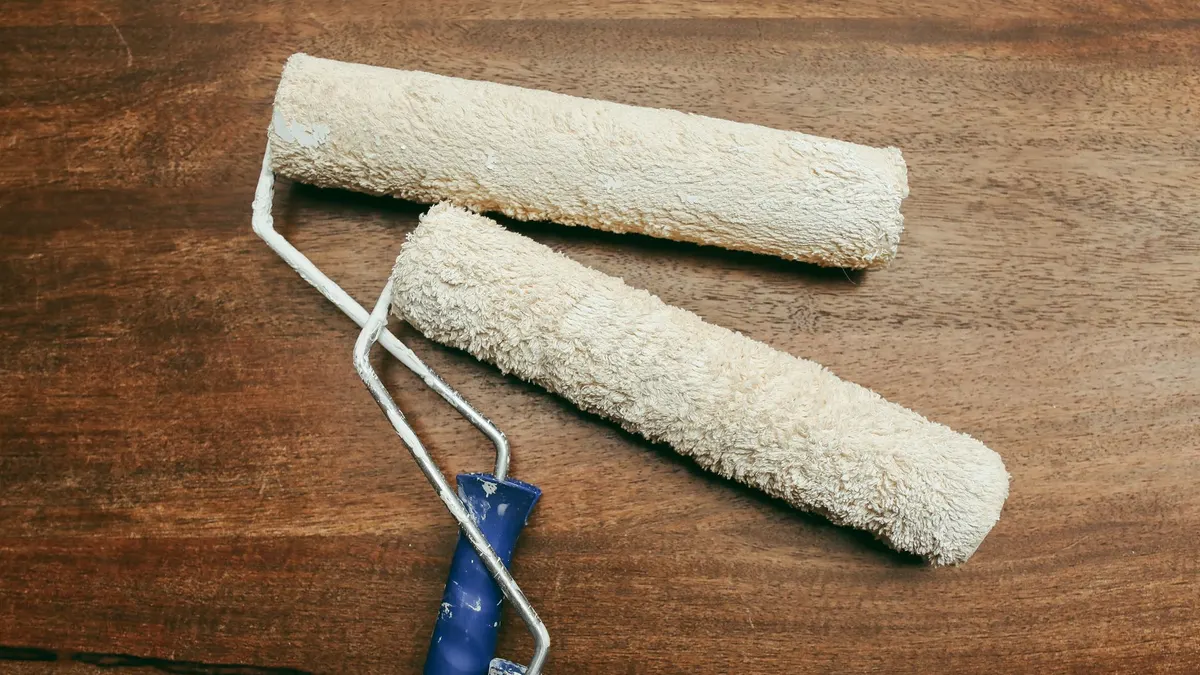
Invisible while you're painting, impossible to miss the next morning. Here's why roller marks show up late.
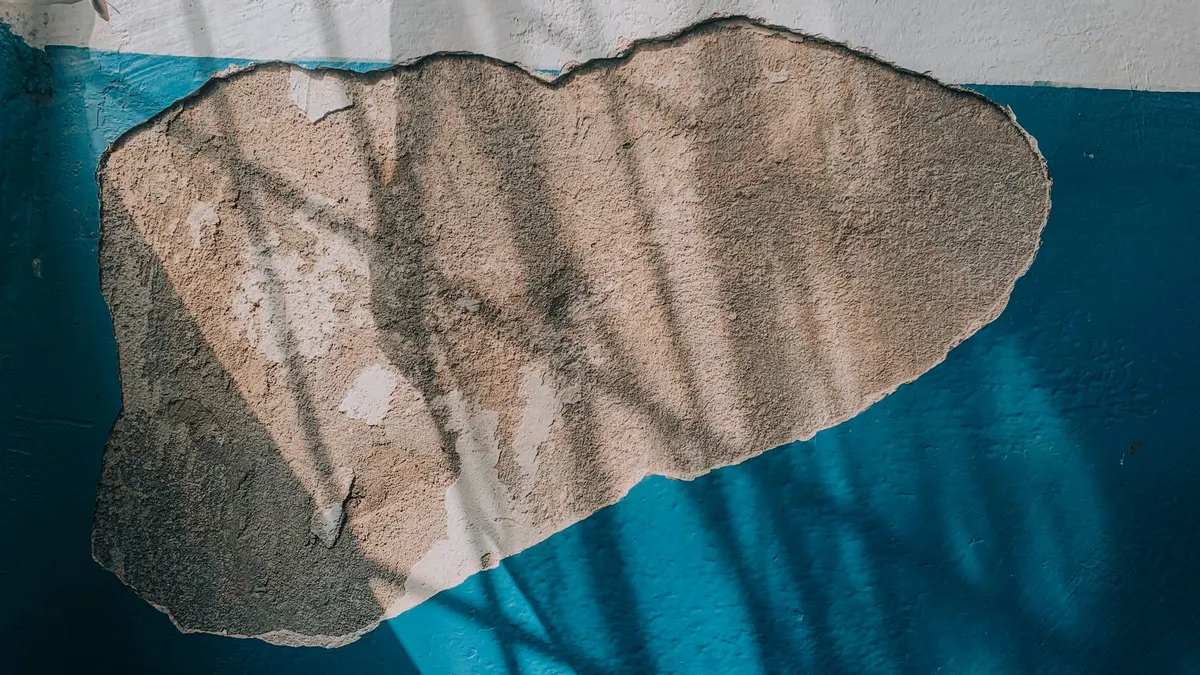
A crack that comes back through fresh paint isn't a paint problem. It's the house telling you something's still moving.

Sheen affects durability and how forgiving a wall is to clean, not just the shine. A room-by-room breakdown.
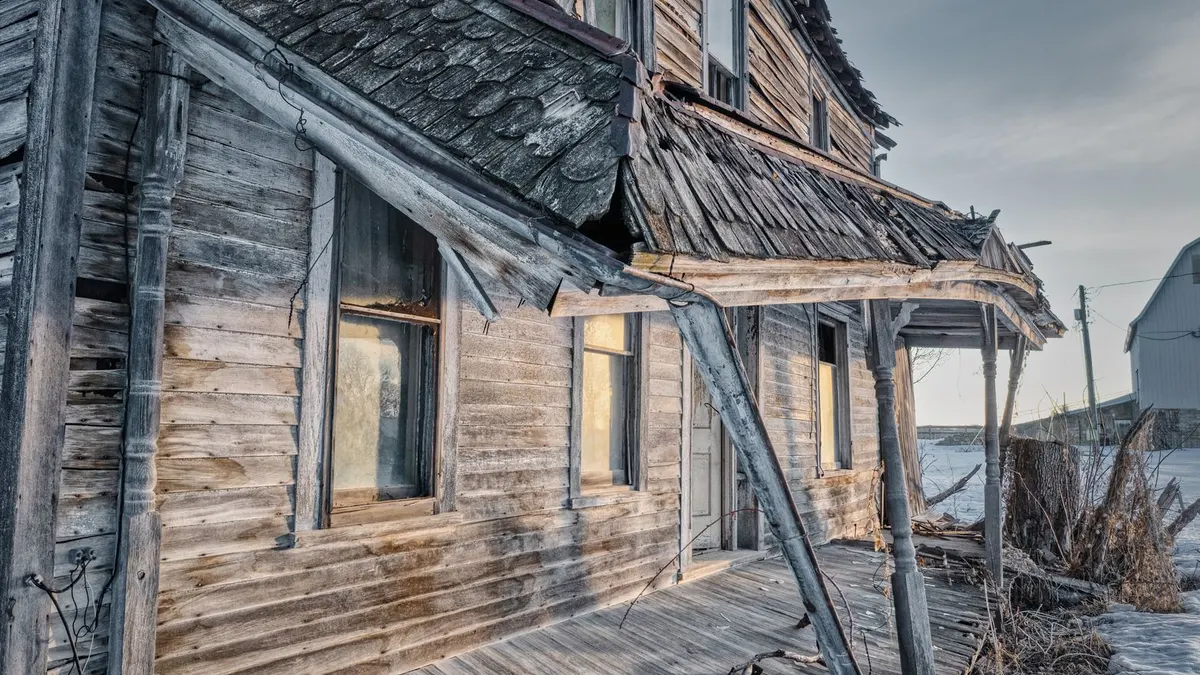
Your south wall isn't getting worse paint than your north wall. It's just absorbing a lot more sun over the same years.
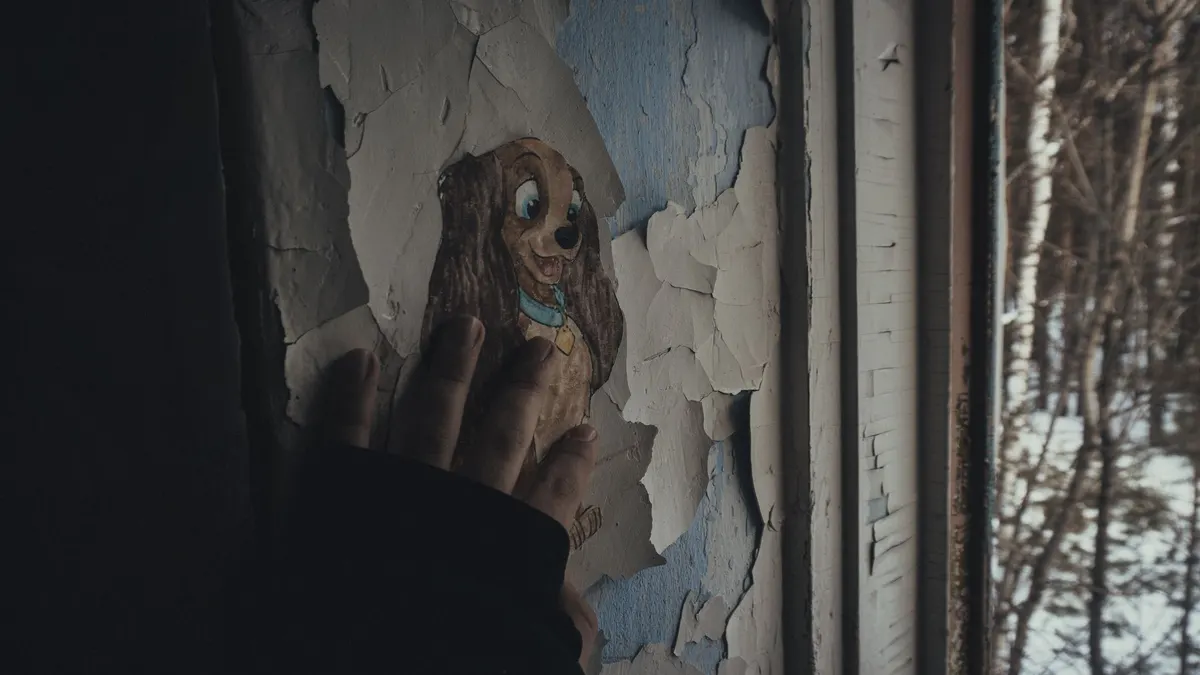
Dry to the touch and fully cured are two different milestones. Sticky paint days later is usually just an impatient wall.
A bathroom ceiling that keeps peeling has a ventilation problem, not a paint problem — and repainting alone won't break the cycle.
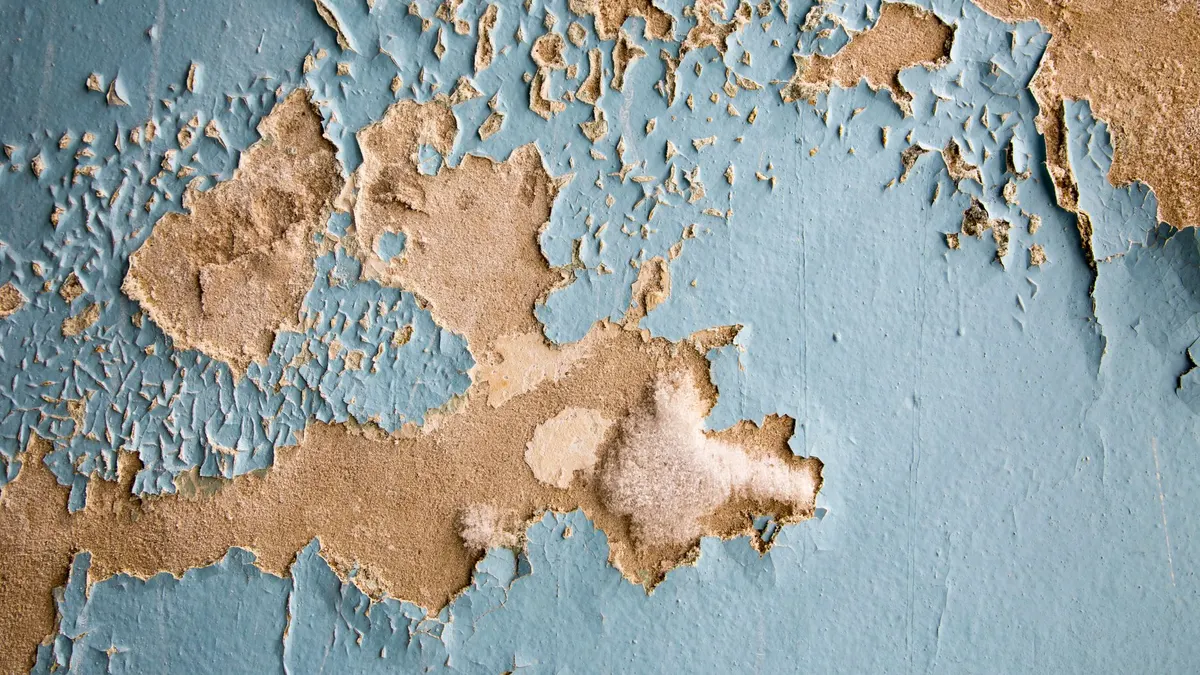
A stain bleeding through three coats of paint isn't a paint problem. It's the stain telling you the source was never fixed.
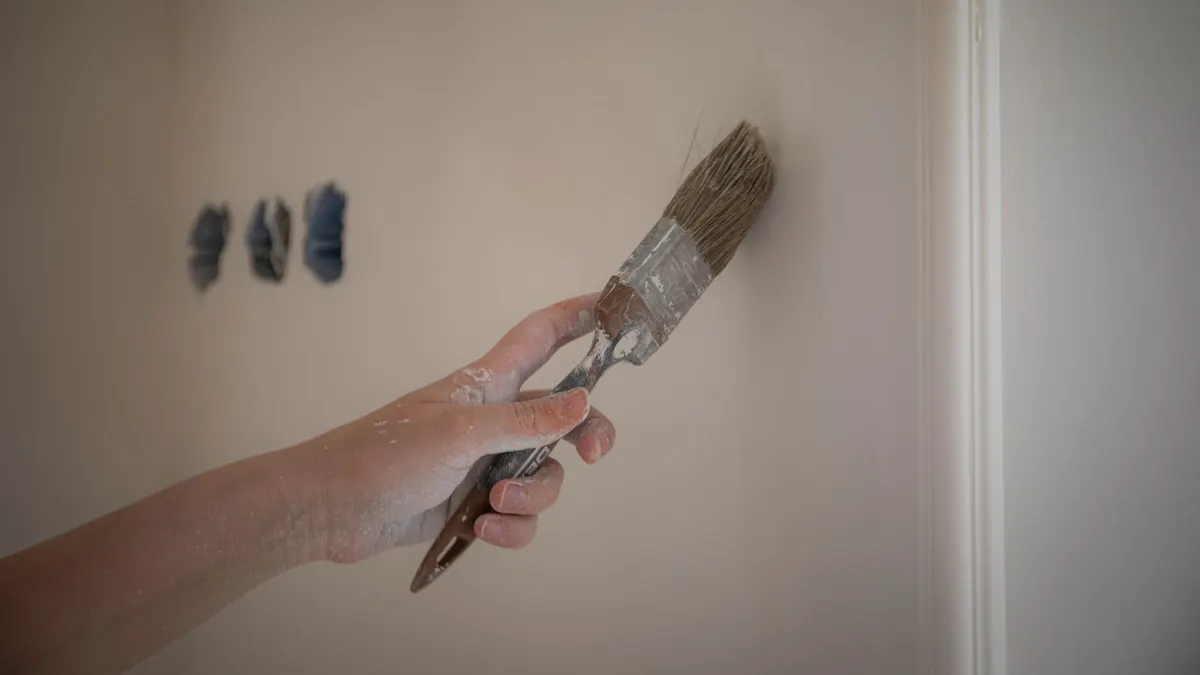
Same can, same color — and it still stands out. The paint usually isn't the problem. The method is.
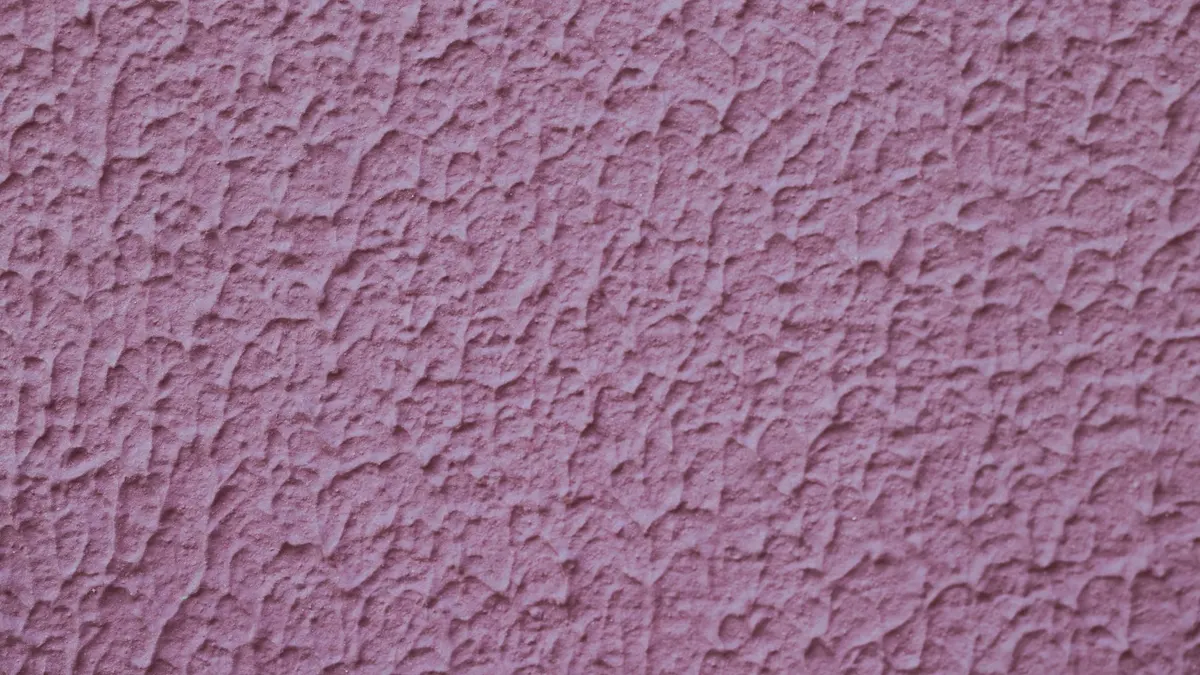
Patchy walls are rarely a paint quality problem. They're usually a coverage or porosity issue the paint just happens to expose.
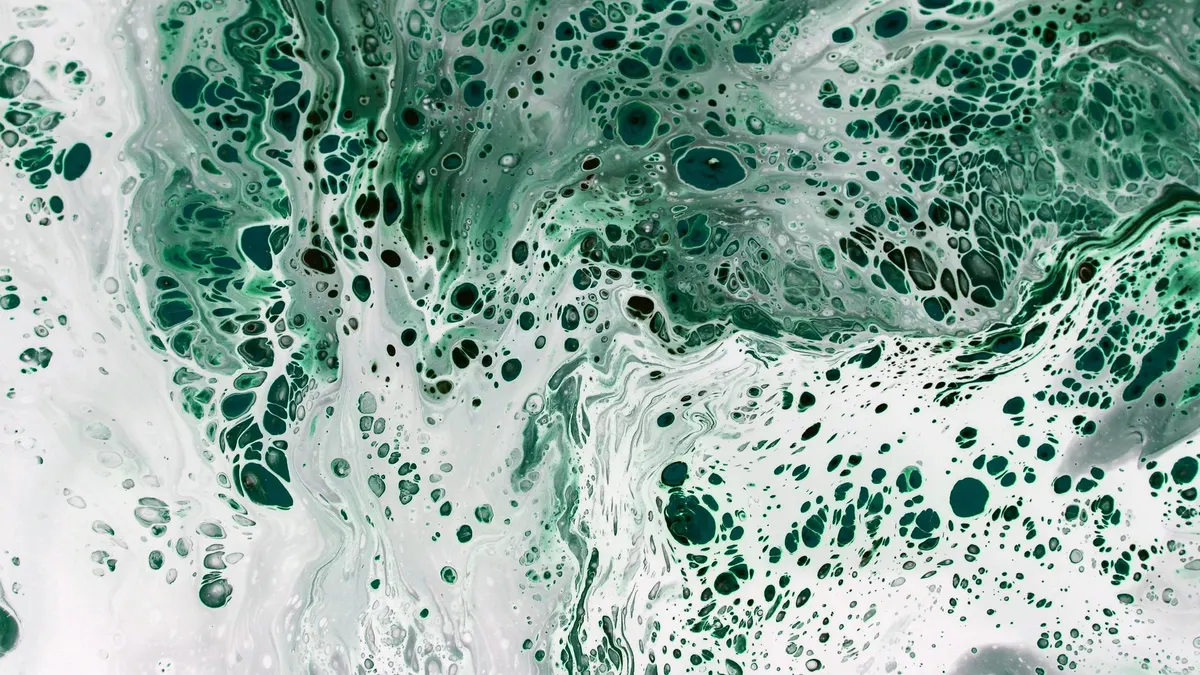
A bubble in fresh paint is moisture, heat, or poor adhesion arguing with the wall. Here's how to tell which one is causing it.

A number on a napkin isn't an estimate. Here's what to expect in writing before a crew touches your walls.
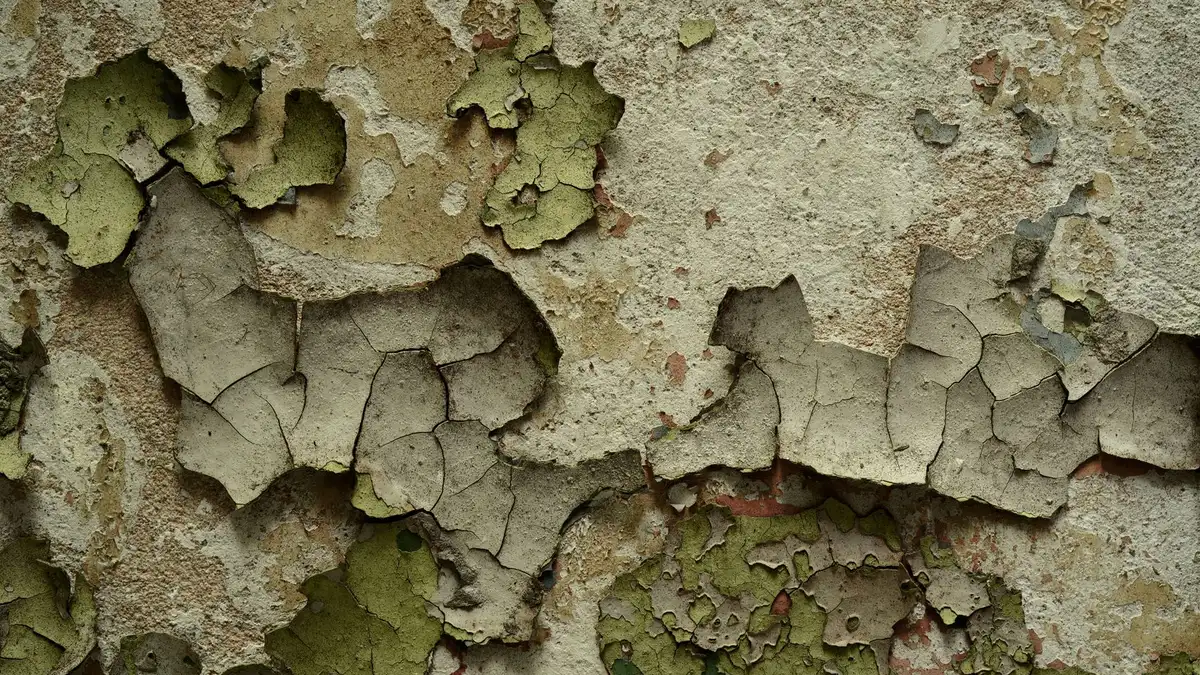
Peeling is almost never a paint-quality problem. It's an adhesion or moisture problem wearing a paint-shaped costume.
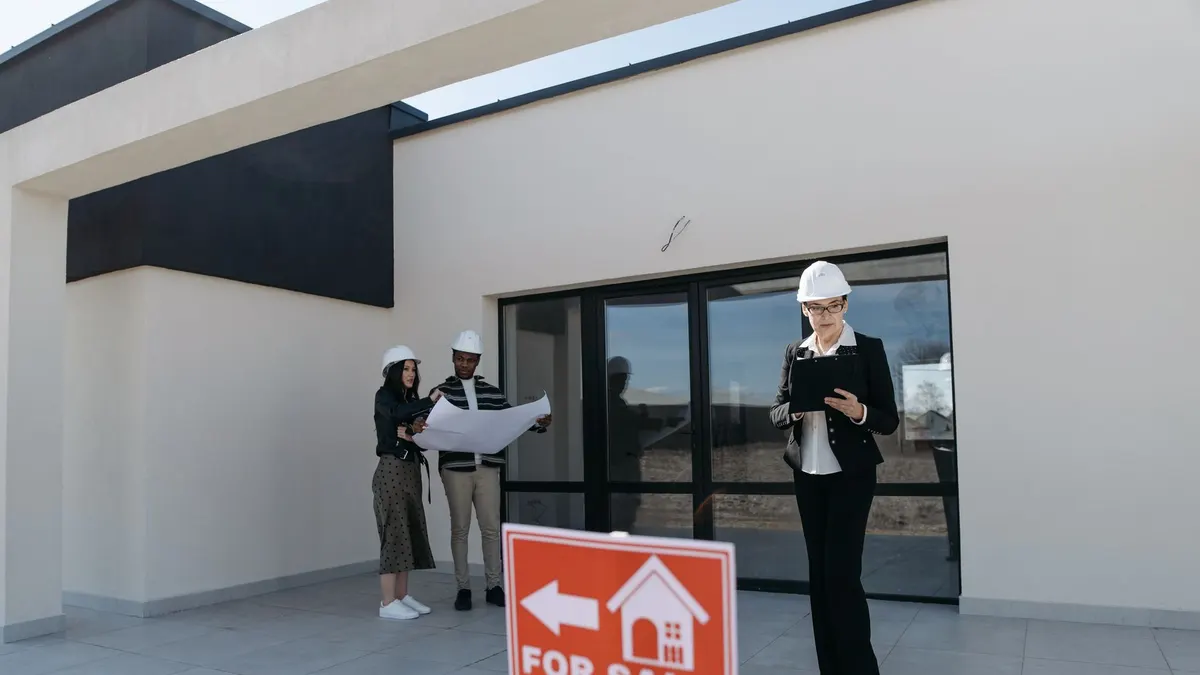
A line-by-line checklist for what should be in writing before a crew starts on your house — not just a total number.
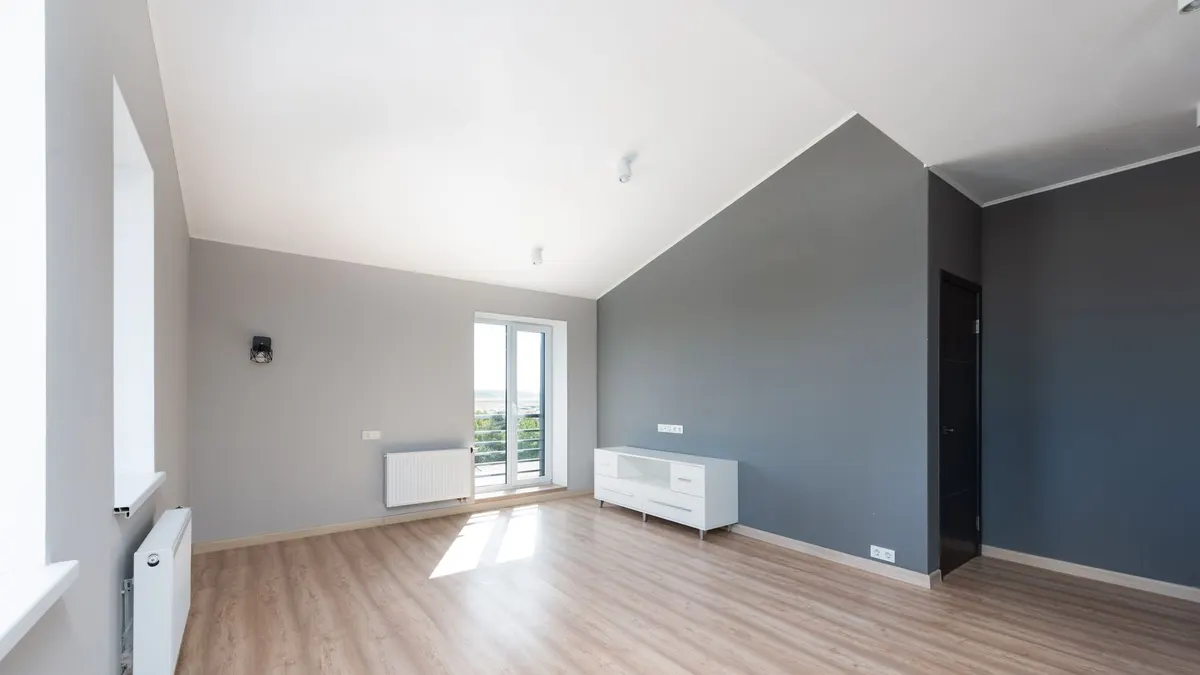
The color is the easy part to get right. Edges, coverage, and cleanup are where a real paint job proves itself.
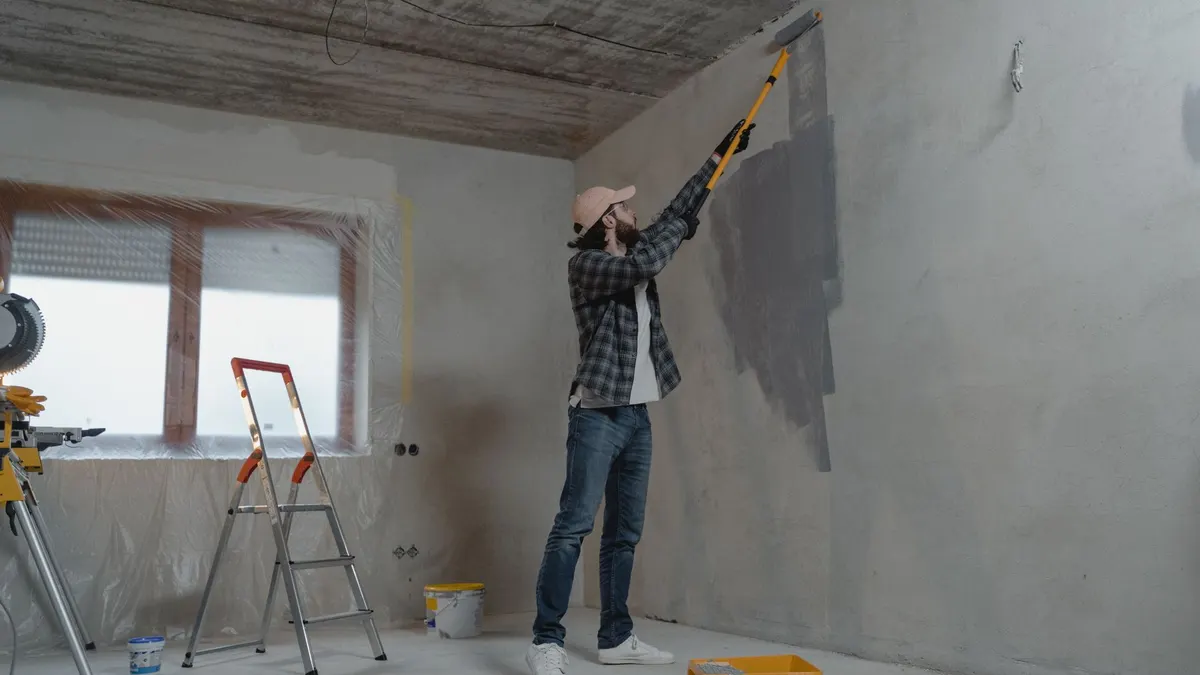
No corners, no trim to cut in — and still one of the hardest surfaces in the room, because gravity doesn't take breaks.
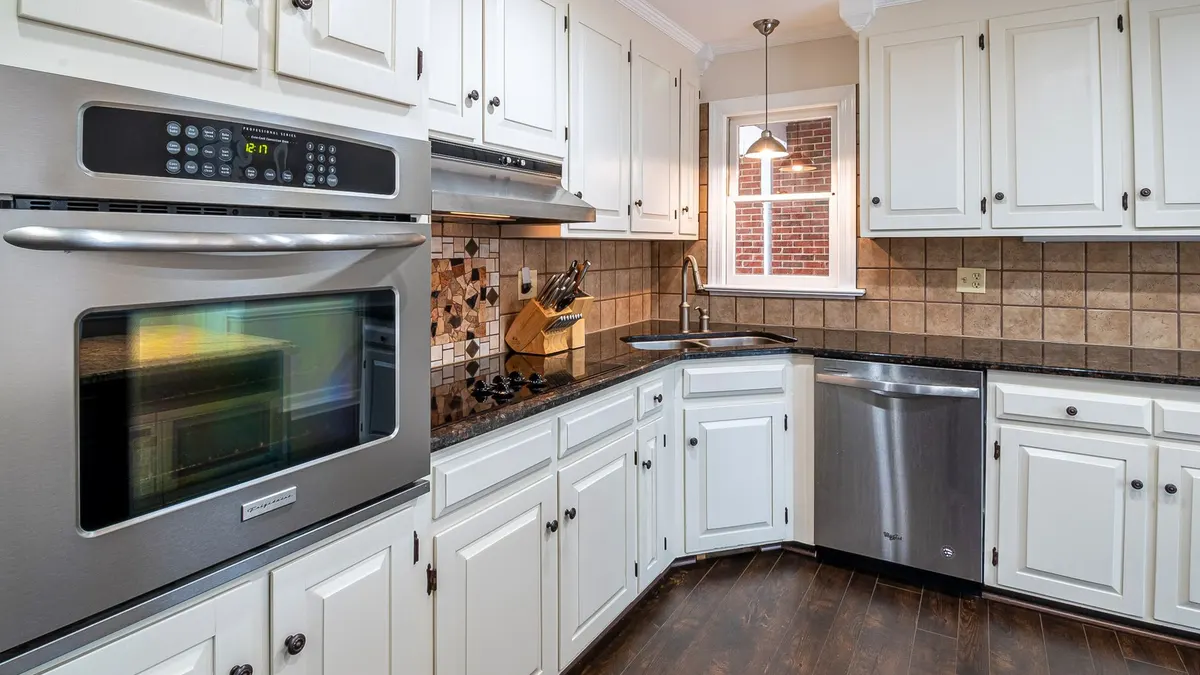
The coating system and finish consistency are what actually separate a DIY cabinet job from a professional one — not the color chosen.
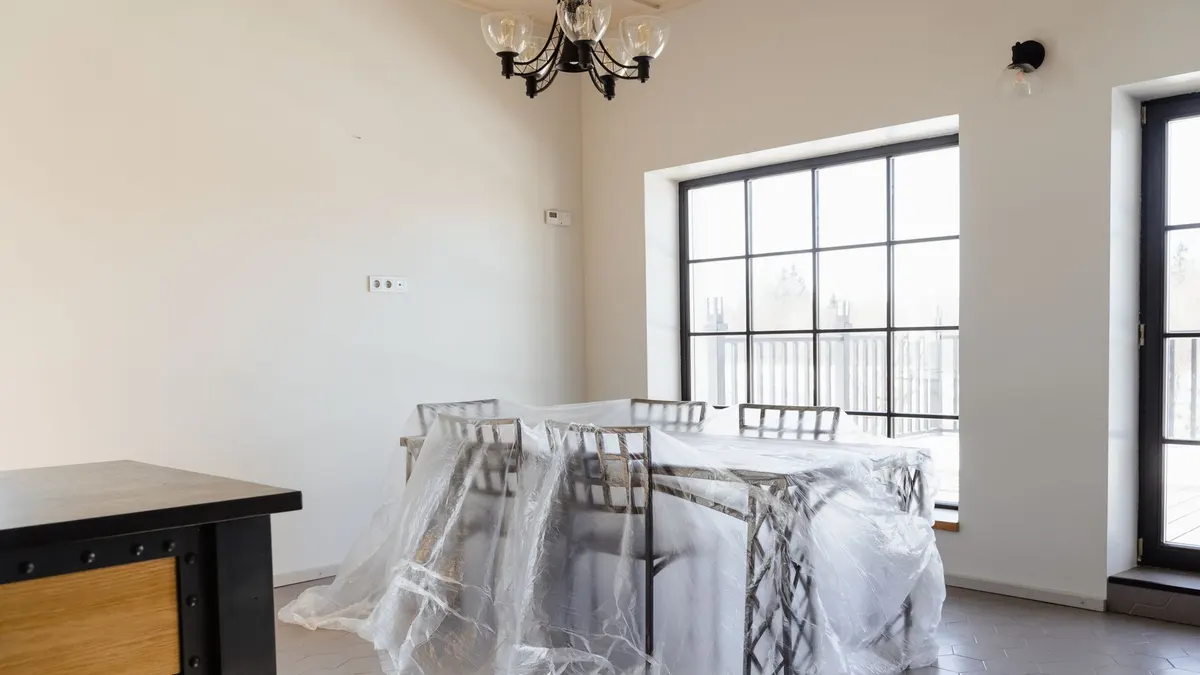
Some prep is worth doing yourself before the crew arrives. Some of it just slows the job down. Here's the line.
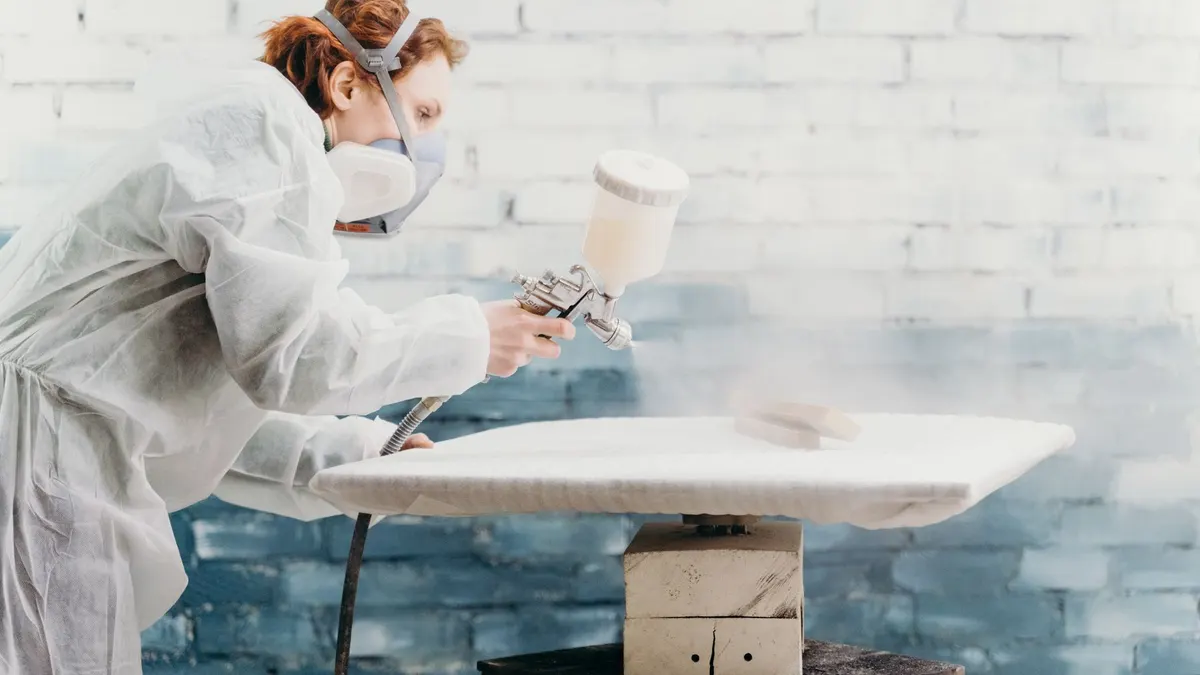
A sprayer finishes faster and smoother. It also needs a lot more masking than most occupied homes are ready to commit to.

The mistakes that matter most rarely show up on day one. They show up three weeks later, when you thought you were done.
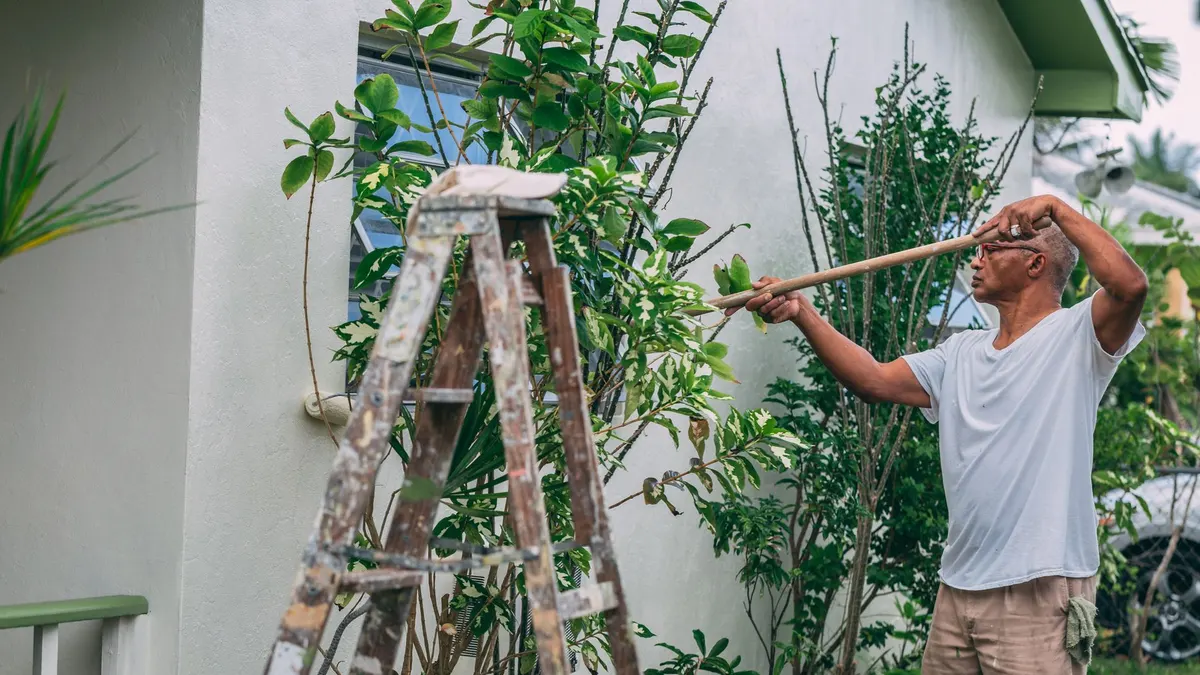
Interior DIY risks a bad wall. Exterior DIY adds height, weather, and moisture into the mix.
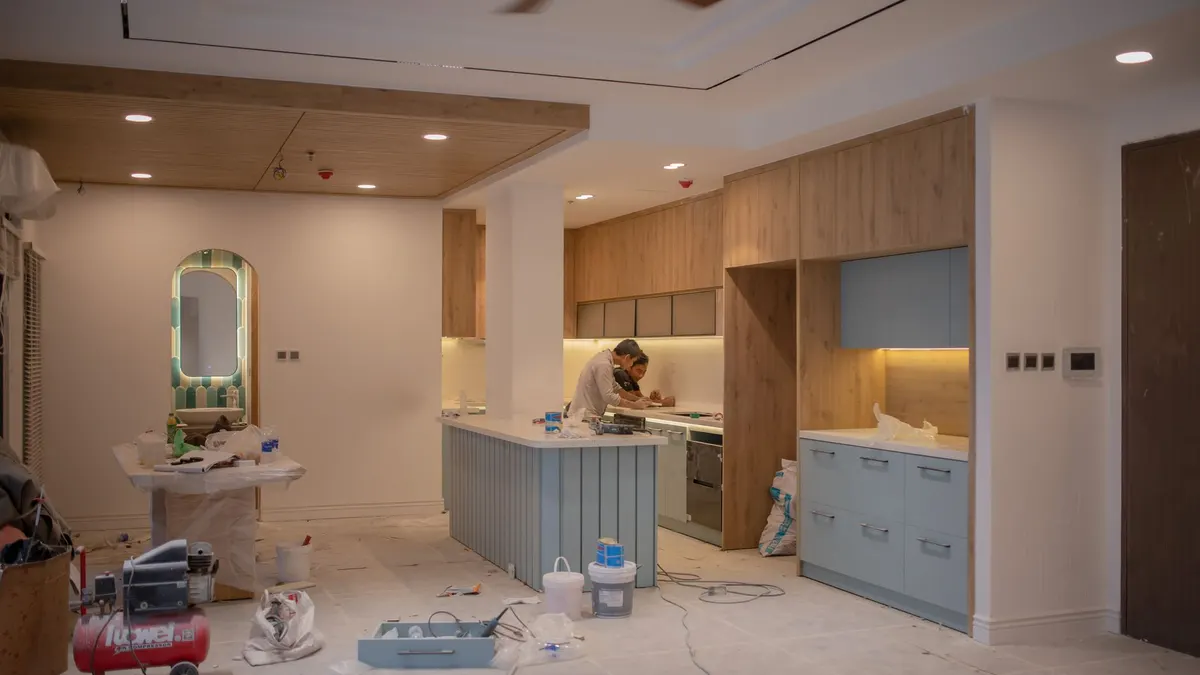
Cabinets get touched more than any wall in the house, which makes them the least forgiving DIY paint project.

It's possible, but drying time and coat count are the two things that turn Saturday's plan into a Sunday-night scramble.
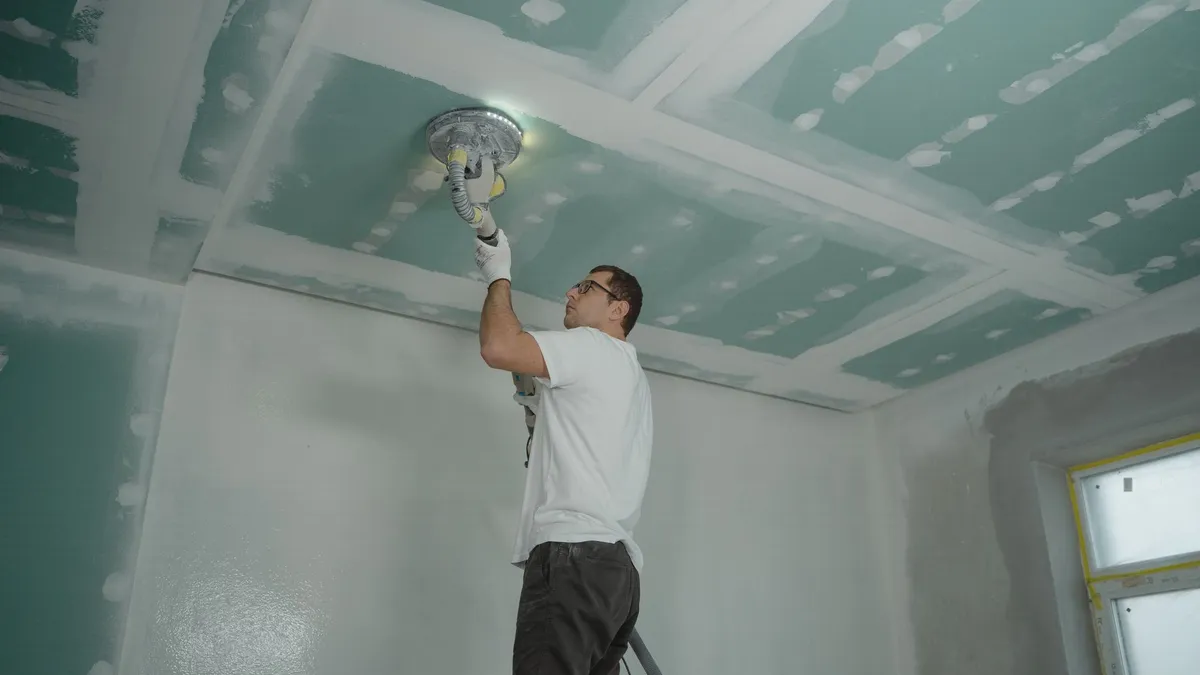
Three ways to deal with a dated ceiling, what each one costs in time, and how to tell which one your ceiling needs.
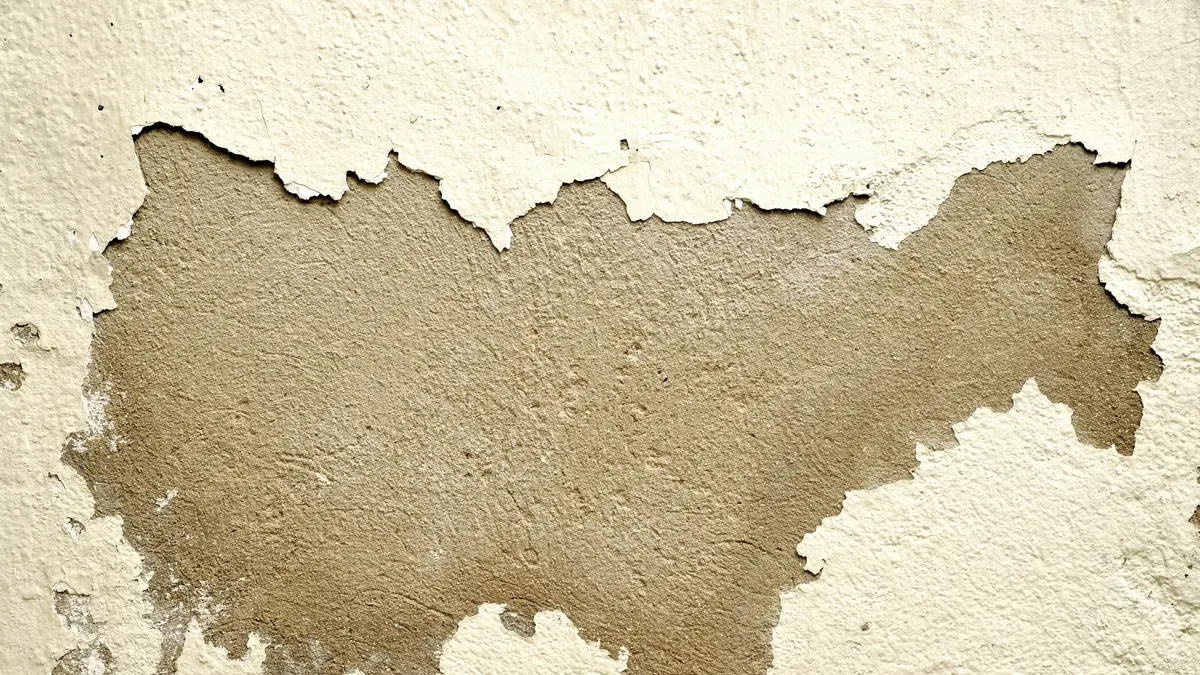
Not every bad paint job needs a full redo. Here's how to tell a cosmetic fix from one that needs to start over.
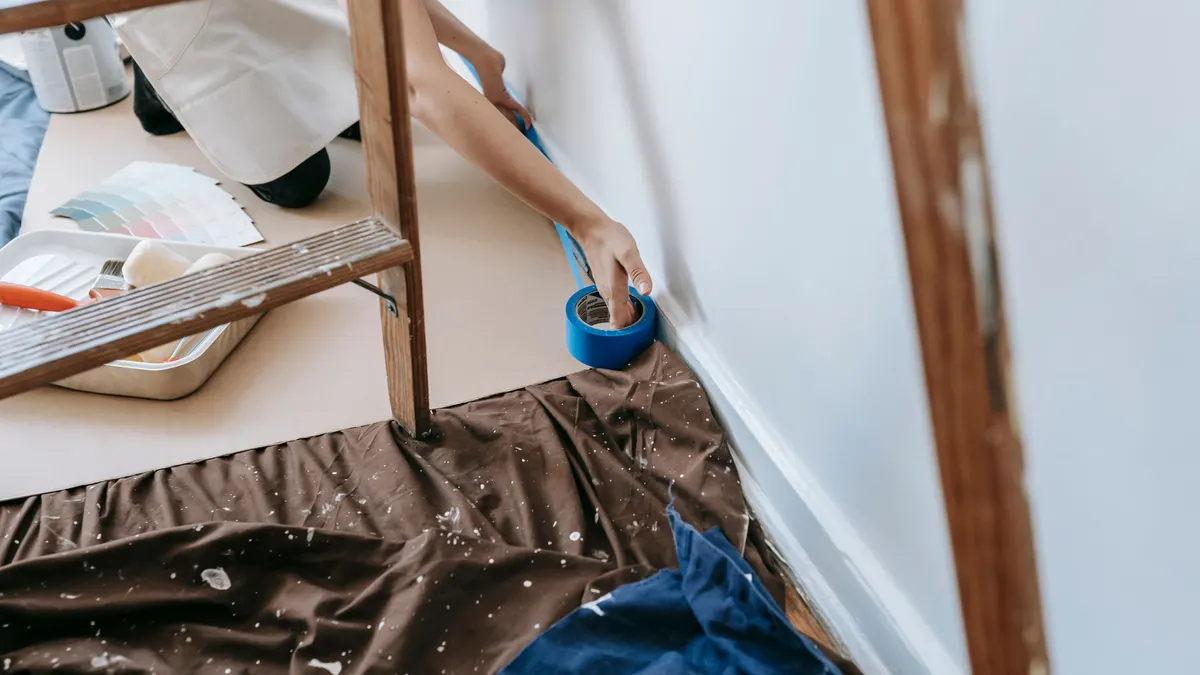
The wrong place to cut costs is prep. Here's where the real, safe savings actually are.
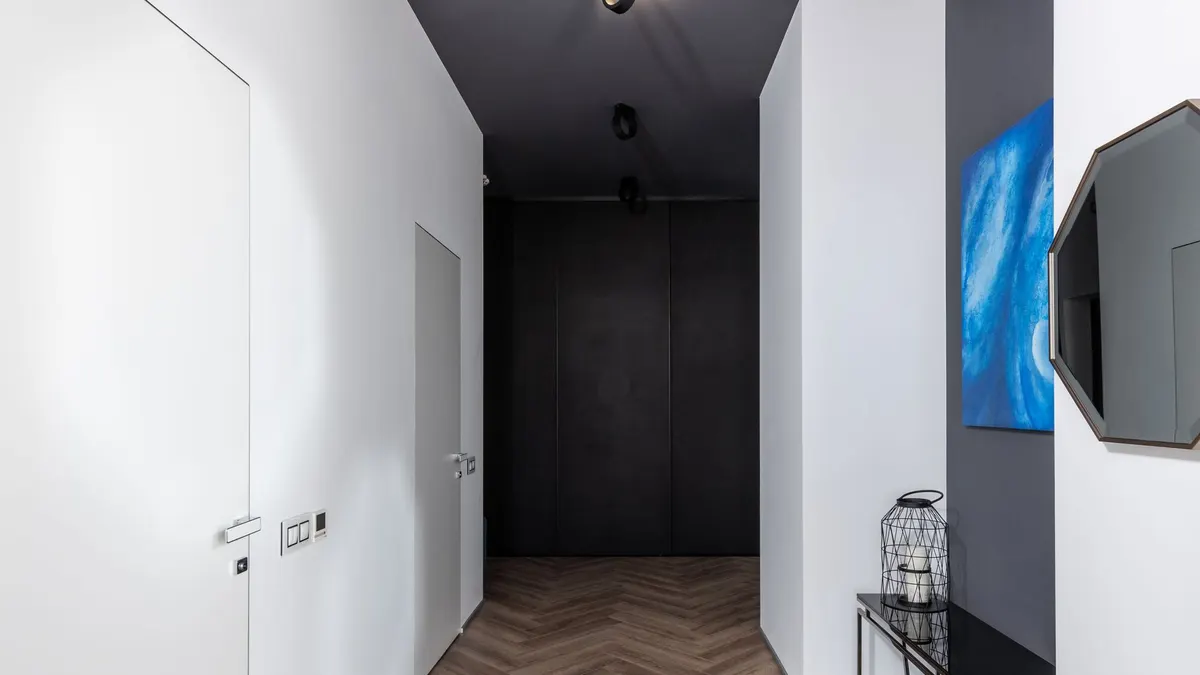
Dark to white is the hardest color transition to cover evenly. Here's why it needs more coats than the can promises.
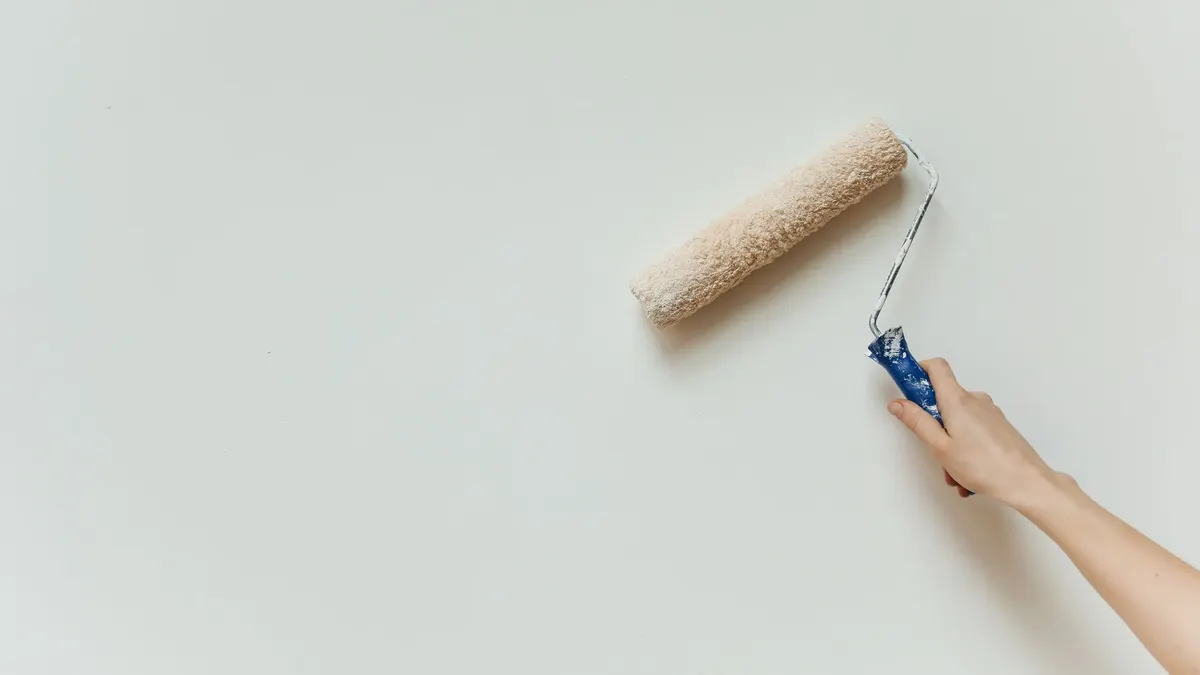
Same color can mean fewer coats, but only if the wall doesn't need the same prep a color change would.

Room by room spreads out the budget. It also risks the paint not quite matching itself two years later.
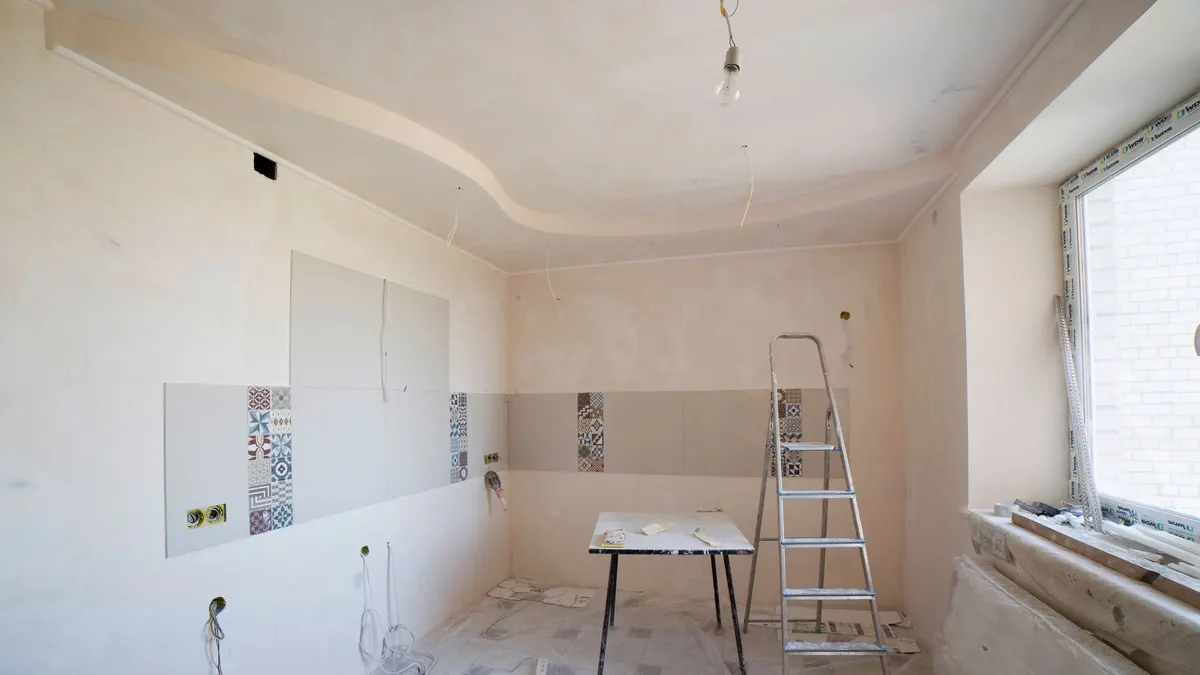
An empty house paints faster, but the savings come from access and protection time, not the paint itself.
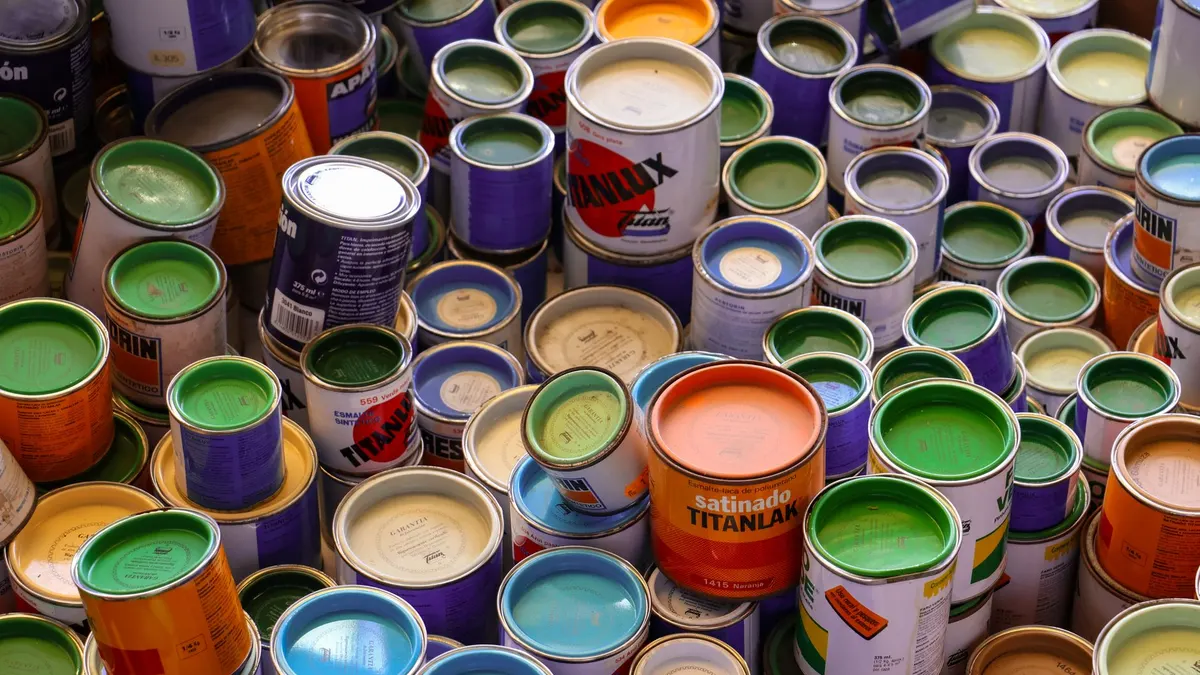
Premium paint doesn't look better on day one — it looks the same for longer. Here's what the extra cost actually buys.
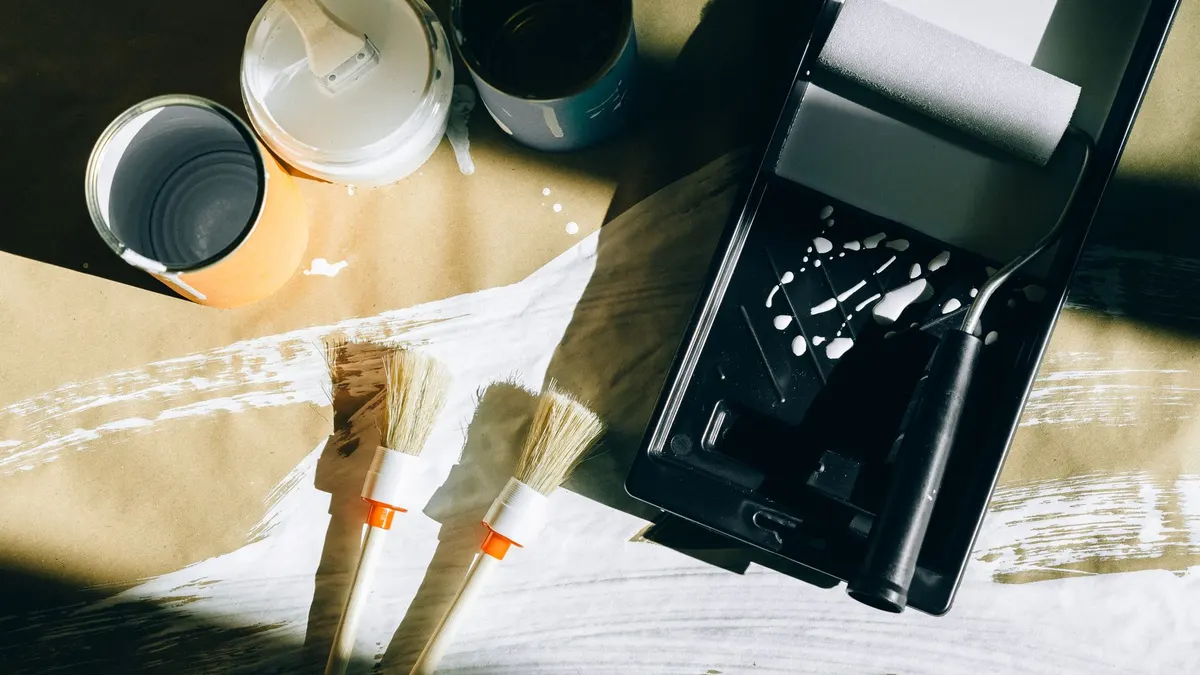
The paint can is the cheap part. Equipment, wasted product, and time are what actually sneak up on a DIY project.
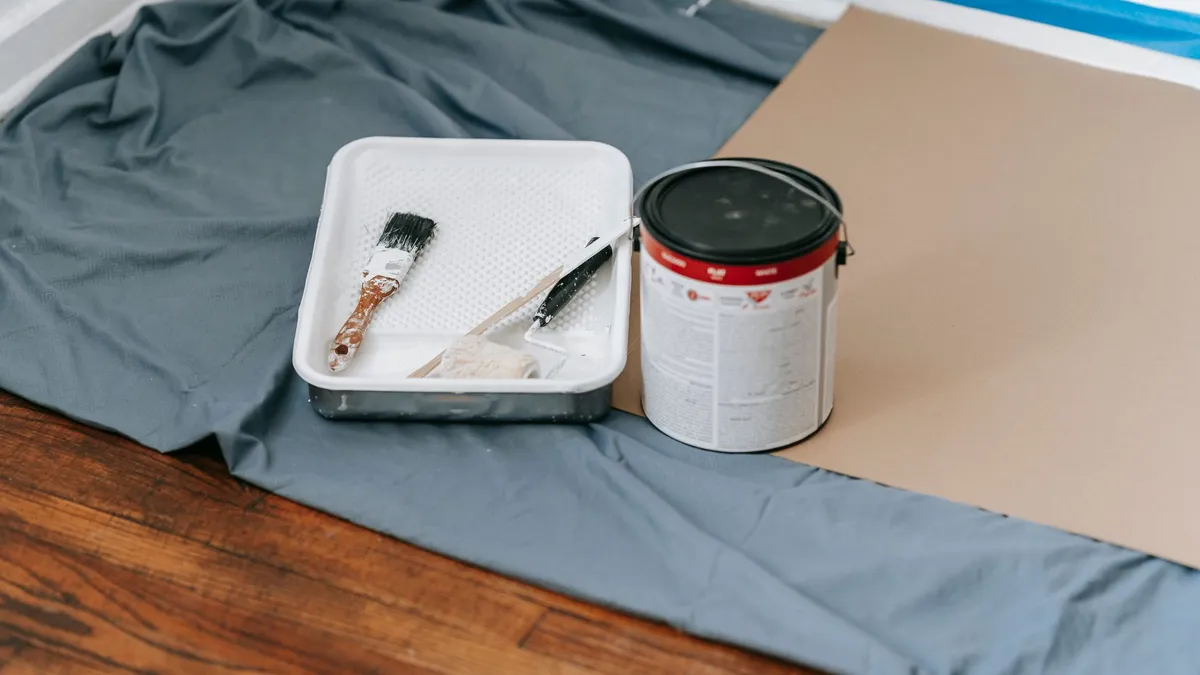
What VOC actually measures, why it matters for a nursery or bedroom, and how it changes dry time.
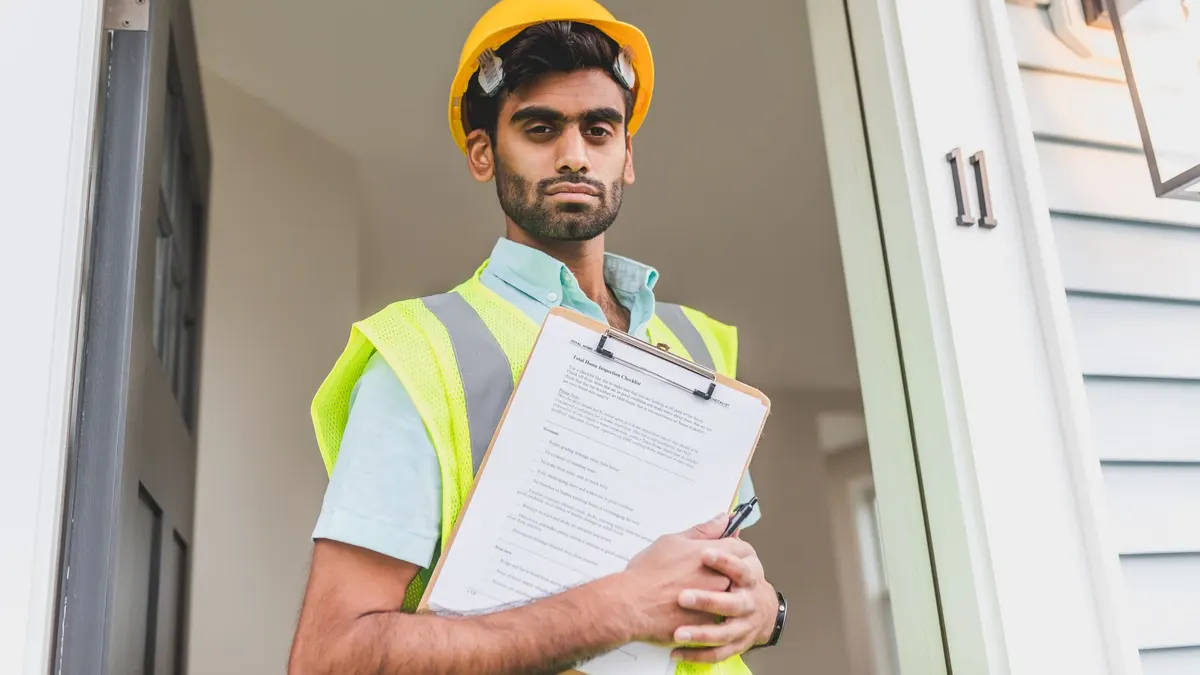
Same house, wildly different numbers. It's almost never margin — it's what each bid does and doesn't include.

DIY cuts labor cost, not the job. Here's what you're actually trading away, and when the trade is worth it.
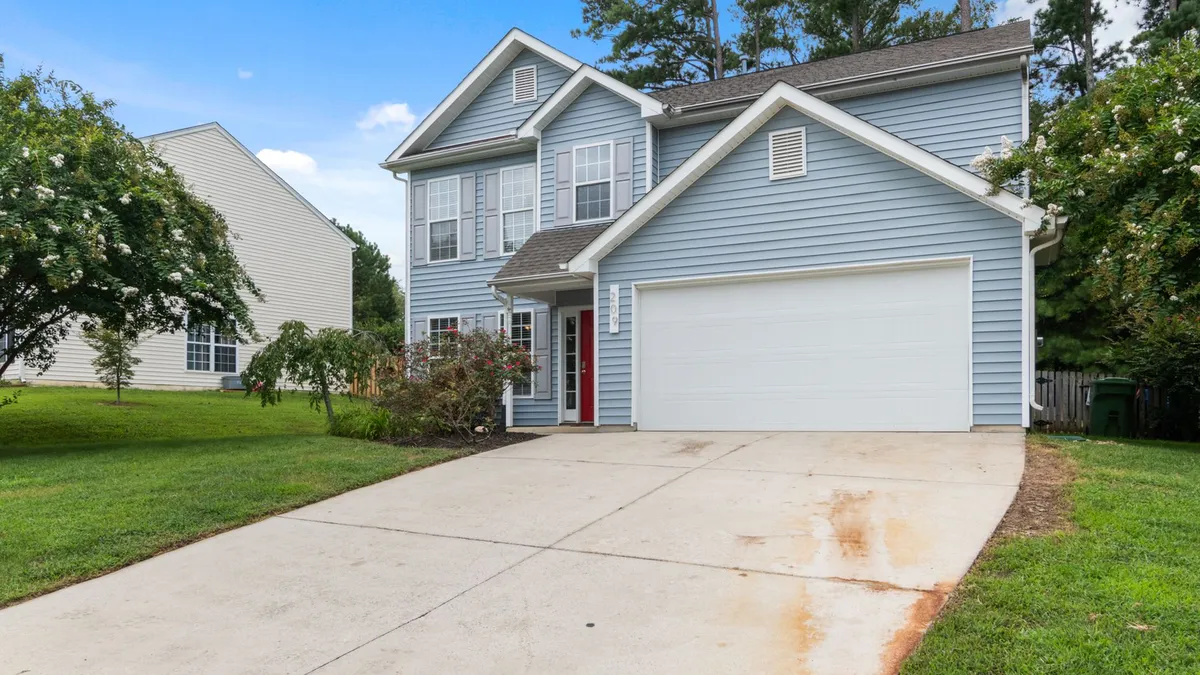
When funds are tight, one of these protects the home and the other protects resale value. Not always the same answer.
Reply From a Real Person.
Tell us about your project and USA Pro Painters will follow up directly — no call center, no automated queue.