Materials
One Coat or Two? What Determines Paint Coverage
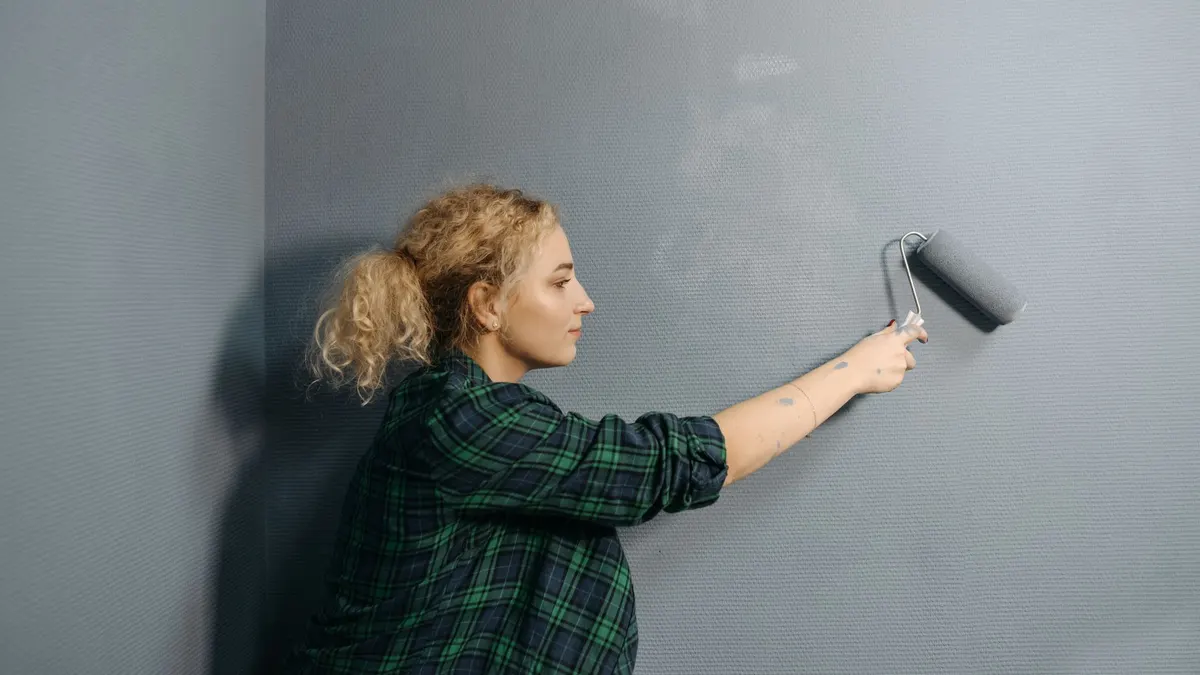
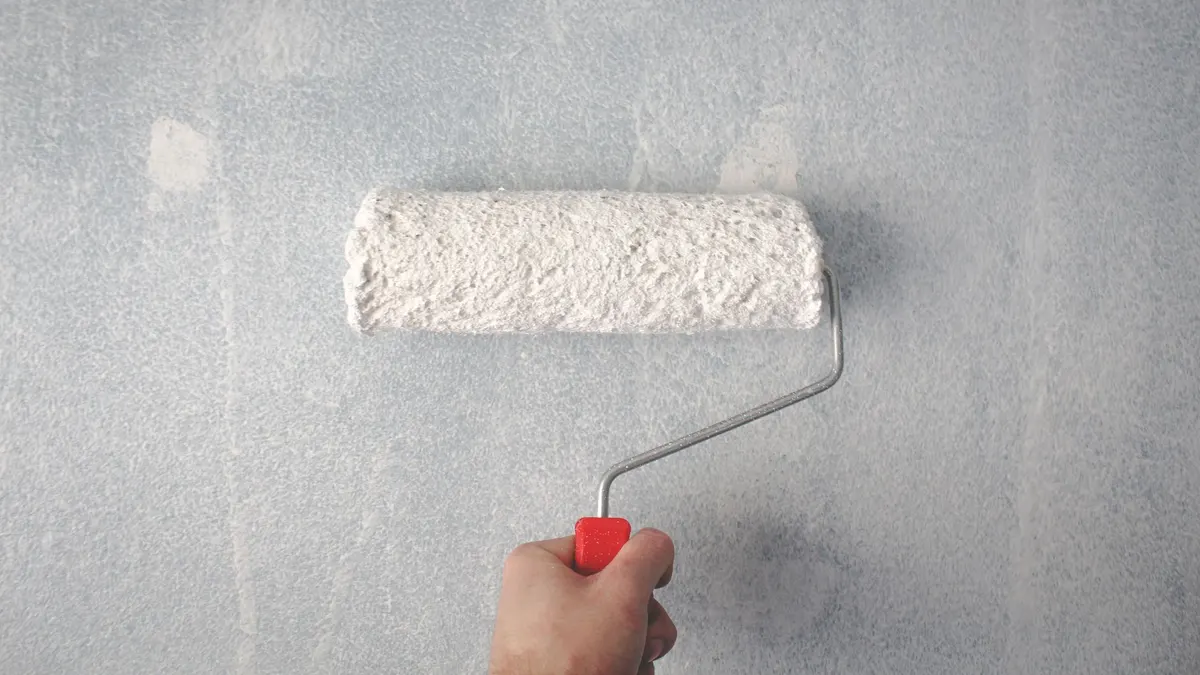
Most paint jobs need two coats for even coverage — one coat is realistic only when the new color closely matches the old one, the surface is properly primed, and the paint itself has strong hiding power. Color contrast, surface porosity, and application technique all move that answer more than the number printed on the can.
"One-coat coverage" on the label is measured under lab conditions, on a test panel, by someone who is very good at painting test panels. Your bedroom wall is a different situation entirely.
Color Contrast Is the Single Biggest Factor
A close color match, or a similar tone in the same family, often achieves full coverage in one coat. A significant contrast — light to dark, or especially dark to light — reliably needs two coats, sometimes with a tinted primer as a third step, regardless of the paint's marketed hiding power.
Surface Porosity Changes How Paint Absorbs
Bare drywall, patched sections, and unprimed surfaces absorb paint unevenly, which shows as patchy coverage even with a paint rated for one-coat performance. Priming first evens out absorption and is often what actually makes one-coat coverage achievable on these surfaces.
Paint Quality Genuinely Affects Coat Count
Premium paints carry more pigment and binder per gallon, which is why they more reliably achieve one-coat coverage on a close color match than a budget paint would in the same scenario. This is one of the areas where paying more per gallon has a direct, measurable payoff.
Application Technique Plays a Role Too
Rolling too thin to avoid drips, or spreading paint too far to stretch a gallon, reduces the film thickness below what's needed for full coverage even with a good-quality paint. Following the manufacturer's recommended coverage rate per gallon (rather than eyeballing it) helps avoid an unplanned second coat from under-application.
How to Know if You Need a Second Coat
Let the first coat dry fully, then check under both direct and angled light. Any shadowing from the old color, visible roller marks from uneven thickness, or a slightly translucent look means a second coat is needed — don't judge coverage while the first coat is still wet, since wet paint always looks more opaque than it will once dry.
- Check under angled, raking light, not just straight-on
- Let the coat fully dry before judging — wet paint looks more opaque than cured paint
- Look specifically at corners and edges, where coverage often thins out first
Questions Answered
One Coat or Two? What Determines Paint Coverage, Answered
Yes, when the new color closely matches the old one, the surface is properly primed, and a quality paint is used — but it's the exception, not the default expectation.
Written By
USA Pro Painters TeamHomeowner Success Team, USA Pro Painters
10 years connecting homeowners with licensed, insured local painters nationwide, backing 500+ completed projects. Writes from real matches and real jobs, not a marketing calendar.