Materials
Do You Need Primer, or Can You Skip It?
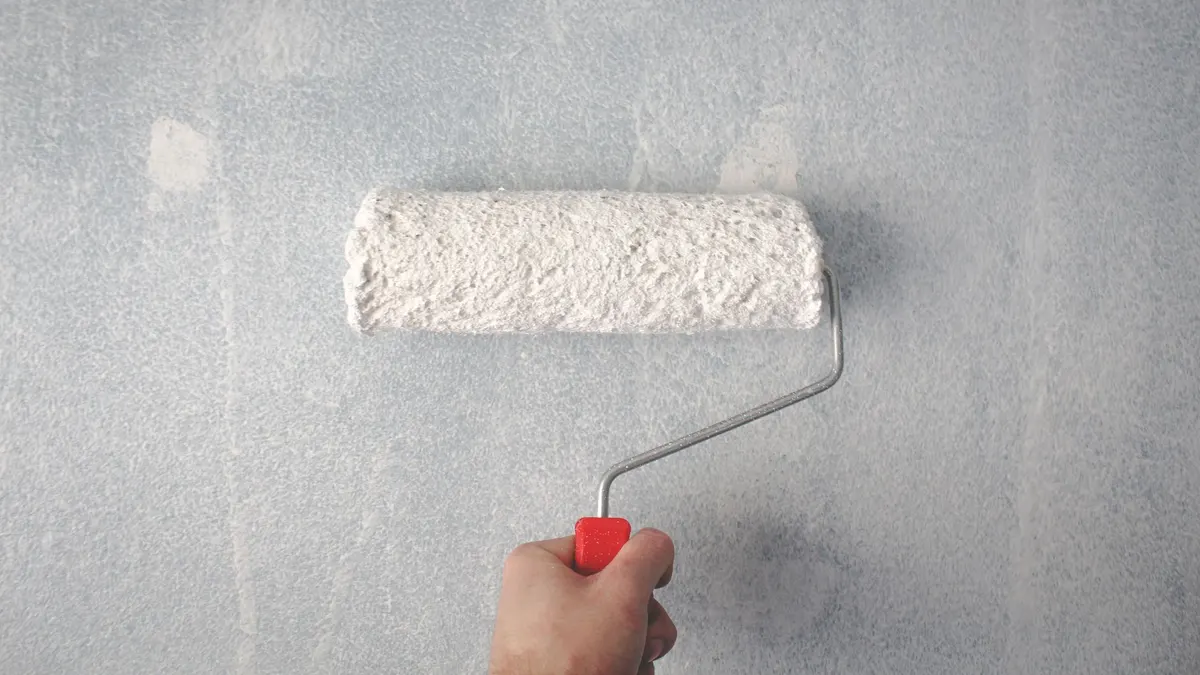
Primer is necessary on bare drywall, patched or repaired areas, stains, glossy surfaces, and major color changes — it's genuinely optional when you're repainting an already-painted wall in a similar color and the surface is clean and in good condition. Skipping it on the wrong surface is the fastest way to guarantee an uneven topcoat.
Primer has no glamour, no visible payoff on install day, and every reason to exist anyway.
When Primer Is Genuinely Required
Bare drywall, freshly patched or sanded areas, water or smoke stains, glossy trim or cabinets, and dramatic color changes (dark to light or the reverse) all need primer to get an even, lasting topcoat. Skipping any of these leads to uneven absorption, poor adhesion, or a stain bleeding back through.
- Bare drywall or new construction
- Patched or repaired sections of an existing wall
- Water stains, smoke stains, or marker/crayon marks
- Glossy surfaces (trim, cabinets, previously oil-painted areas)
- Major color changes, especially dark to light
When Skipping Primer Is Genuinely Fine
Repainting a wall that's already painted, in good condition, with a similar color and the same sheen, usually doesn't need a separate primer coat — many paints in this scenario adhere and cover fine on their own. This is the one situation where skipping it isn't cutting a corner.
"Self-Priming" or Paint-and-Primer-in-One Products
These products build some primer-like adhesion properties into the paint itself, but they're not a substitute for a dedicated primer on surfaces that genuinely need one — bare drywall or a serious stain still outperforms with a separate primer coat first. Our full explainer on paint-and-primer-in-one covers exactly where this product category helps and where it doesn't.
What Skipping Primer Actually Costs You
Skipping a needed primer coat to save time or money almost always costs more later — an extra topcoat to compensate for poor coverage, or a full redo if a stain bleeds through weeks later. Prep time predicts paint lifespan more than the paint brand does, and primer is one of the most consequential prep steps in that equation.
How to Decide Fast, Wall by Wall
Look at the wall: bare, stained, glossy, patched, or a big color jump means primer first. Already painted, clean, similar color means you can likely skip it. If you're unsure, priming costs an extra coat's worth of time — cheap insurance against a redo.
Questions Answered
Do You Need Primer, or Can You Skip It?, Answered
No. It's genuinely necessary for bare drywall, patched areas, stains, glossy surfaces, and major color changes, but often optional when repainting an already-painted wall in similar condition and color.
Written By
USA Pro Painters TeamHomeowner Success Team, USA Pro Painters
10 years connecting homeowners with licensed, insured local painters nationwide, backing 500+ completed projects. Writes from real matches and real jobs, not a marketing calendar.