Materials
Does Paint and Primer in One Replace a Primer Coat?
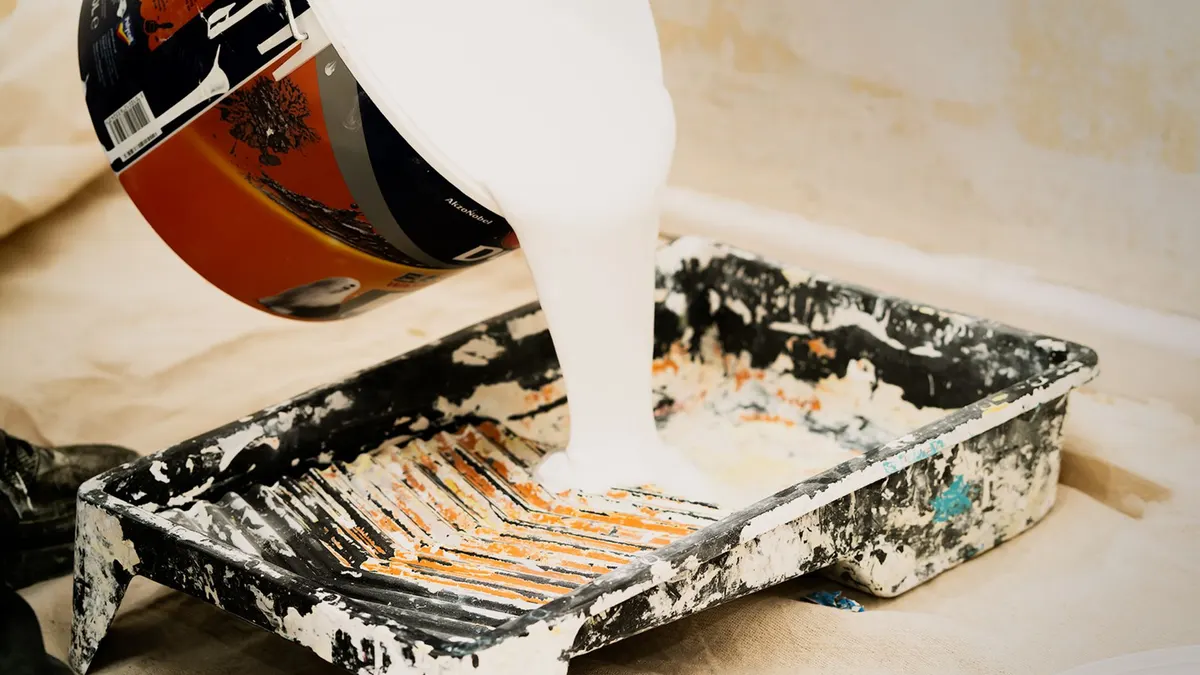
Paint and primer in one works well for repainting an already-painted wall in decent condition with a similar color — it doesn't replace a dedicated primer on bare drywall, stains, glossy surfaces, or a dramatic color change, where a separate primer coat still outperforms it. It's a real product with a real, limited use case, not a universal shortcut.
It's primer-adjacent, not primer-equivalent. The marketing on the can doesn't always make that distinction clear.
What's Actually in the Can
These products build additional binders and adhesion-promoting ingredients into a standard paint formula, giving it somewhat better grip and coverage on a moderately prepared surface than a standard paint would have on its own. It's a real formulation difference, not just marketing language.
Where It Genuinely Works Well
Repainting a wall that's already painted, clean, and in reasonably good shape, especially when the color is similar to what's already there, is exactly the situation these products are built for. In that scenario, it can save a step without a meaningful quality tradeoff.
Where It Falls Short of a Dedicated Primer
Bare drywall, stains, glossy surfaces, and dramatic color changes all need the stronger sealing, stain-blocking, or bonding properties of a dedicated primer built specifically for that job. Paint and primer in one doesn't seal a water stain the way a shellac-based stain blocker does, and it doesn't bond to a glossy surface the way a bonding primer does.
- Bare drywall — needs a true drywall primer to even out absorption
- Water or smoke stains — needs a dedicated stain-blocking primer
- Glossy surfaces — needs a bonding primer for real adhesion
- Dark-to-light color changes — needs a tinted primer to reduce coat count
Is It Actually Cheaper?
Paint and primer in one typically costs more per gallon than standard paint, so the savings come from skipping a separate can and a separate coat's worth of labor — not from the product itself being cheap. On a surface that genuinely didn't need primer anyway, that's a real (if modest) time savings; on a surface that did need it, you'll likely end up buying primer separately regardless.
The Bottom Line
Use paint and primer in one for straightforward repaints on decent surfaces. Use a dedicated primer, by name, for bare drywall, stains, gloss, or major color changes. Our full primer explainer covers exactly which situations call for which approach.
Questions Answered
Does Paint and Primer in One Replace a Primer Coat?, Answered
No, it's a real formulation with added binders and adhesion-promoting ingredients. It's just limited to easier surfaces — it doesn't replace dedicated primer where one is genuinely needed.
Written By
USA Pro Painters TeamHomeowner Success Team, USA Pro Painters
10 years connecting homeowners with licensed, insured local painters nationwide, backing 500+ completed projects. Writes from real matches and real jobs, not a marketing calendar.