Budgeting
Why Painting Dark Walls White Can Cost More
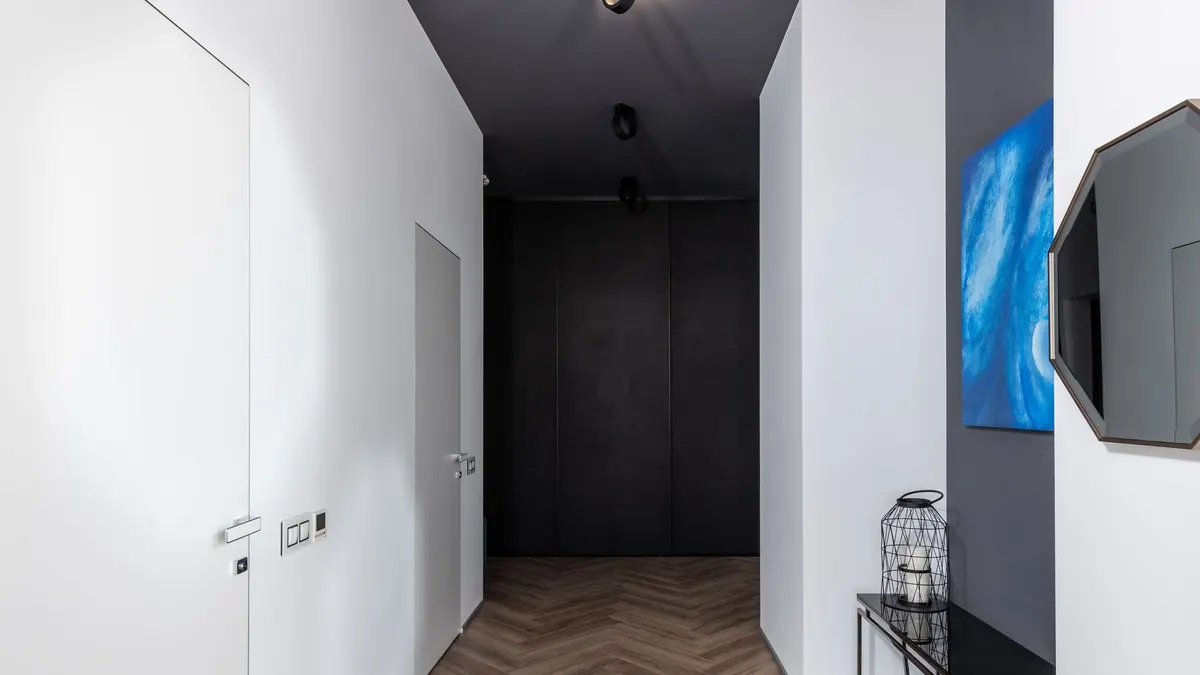
Painting a dark wall white usually costs more than a same-tone repaint because it needs a tinted primer and typically two full topcoats to fully block the old color — extra materials and extra labor, not a different quality of paint. Skip either step and the old color bleeds through in patches once the new coat dries.
It's the paint equivalent of trying to cover a dark bruise with a light concealer (no shade of white on a swatch card was built with your accent wall's decision from 2019 in mind).
Why This Specific Transition Is the Hardest to Cover
White has the least pigment density of almost any paint color, which means it has the weakest natural hiding power. Going from a saturated dark color to white asks a low-opacity paint to fully block a high-opacity one — the opposite of what a single coat is built to do.
A Tinted Primer Isn't Optional Here
A gray-tinted primer bridges the gap between dark and light, neutralizing the old color before the white topcoat goes on. Skipping this step to save a coat is the single most common reason a dark-to-white repaint looks patchy or slightly gray weeks after it's finished.
Budget for Two Coats, Sometimes Three
Even with a tinted primer, most dark-to-white transitions need two full coats of the topcoat to look fully even, and some particularly saturated dark colors (deep navy, black, dark red) need a third. This is a materials and labor cost, not a sign of a bad paint job — it's what the color science actually requires.
- Tinted (gray) primer coat — bridges dark to light
- First topcoat — often still shows faint shadowing from the old color
- Second topcoat — usually where full, even coverage is achieved
How to Avoid the Cost Being a Surprise
If you're getting quotes for a dark-to-white repaint, make sure the estimate specifically accounts for a tinted primer and at least two topcoats — a quote based on a standard one-coat assumption for this specific transition is underscoped from the start, regardless of which paint brand it names.
When It's Worth the Extra Cost Anyway
A dark accent wall or a full room that no longer fits the home's look is a common enough reason to make this switch, and the extra coats are a one-time cost — once the transition is done, future repaints in white or a similar light tone won't need the same extra prep. If you're rethinking sheen along with color, it's worth deciding both at once rather than repainting twice.
Questions Answered
Why Painting Dark Walls White Can Cost More, Answered
It typically needs a tinted primer plus two full topcoats to fully block the old color, since white has weak natural hiding power against saturated dark colors.
Written By
USA Pro Painters TeamHomeowner Success Team, USA Pro Painters
10 years connecting homeowners with licensed, insured local painters nationwide, backing 500+ completed projects. Writes from real matches and real jobs, not a marketing calendar.