Repair
Why Roller Marks Show Up After Your Paint Dries
Roller marks show up after drying because wet paint temporarily hides texture that becomes visible once the surface flattens and light starts catching it directly — the marks were there while you painted, just harder to see under wet sheen. The usual causes are the wrong roller nap for the surface, uneven pressure, or losing a wet edge partway across the wall.
Wet paint is a great liar. It tells you everything looks perfect right up until the moment it doesn't.
Why Roller Marks Are Invisible Until the Paint Dries
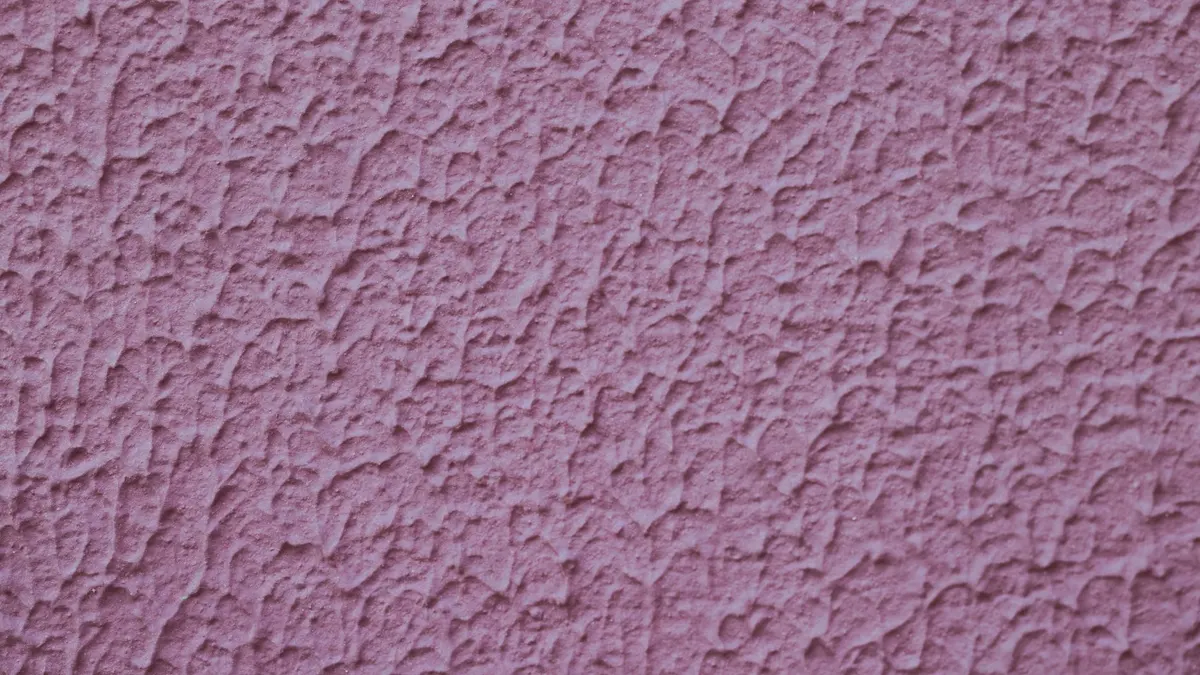
Wet paint has a temporary sheen that reflects light more uniformly than the final dried, cured surface does. As it dries, that even wet-sheen goes away and the actual texture underneath — including any unevenness from the roller — becomes visible, usually the next day rather than the same evening.
Wrong Roller Nap for the Surface
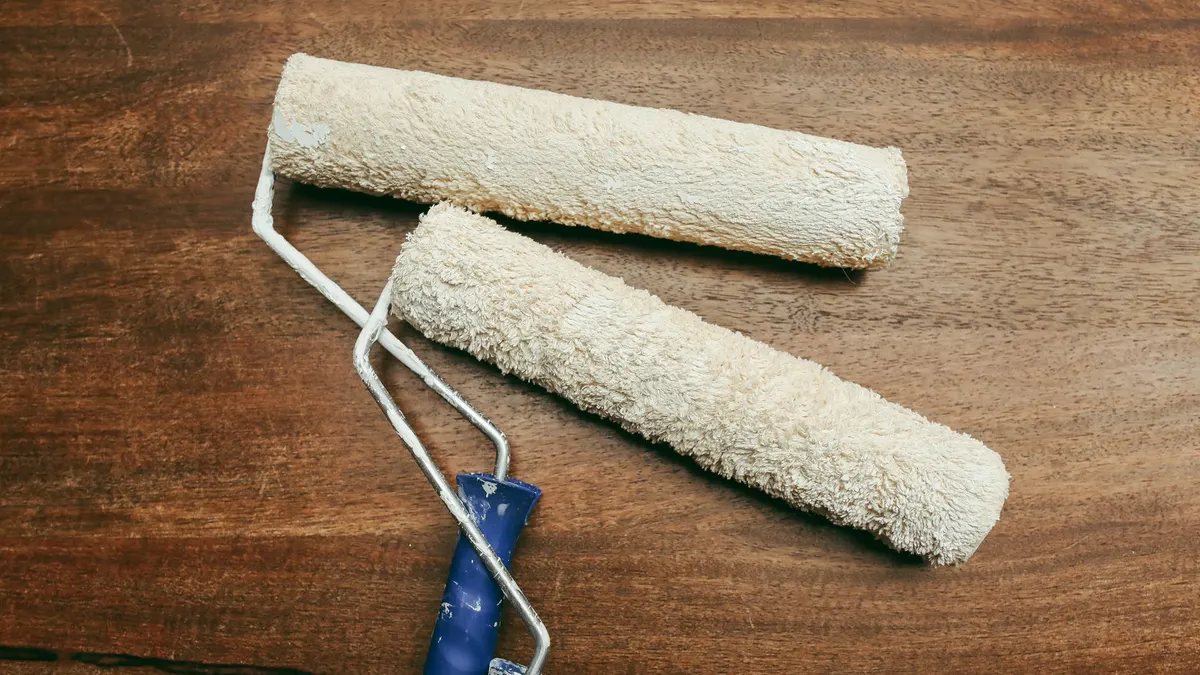
A roller nap that's too thick for a smooth wall applies paint in a heavier, more textured pattern than intended, while a nap too thin can leave streaking on a slightly textured surface. Matching the nap length to the wall's actual texture is a small detail that has an outsized effect on the final look.
Uneven Pressure While Rolling
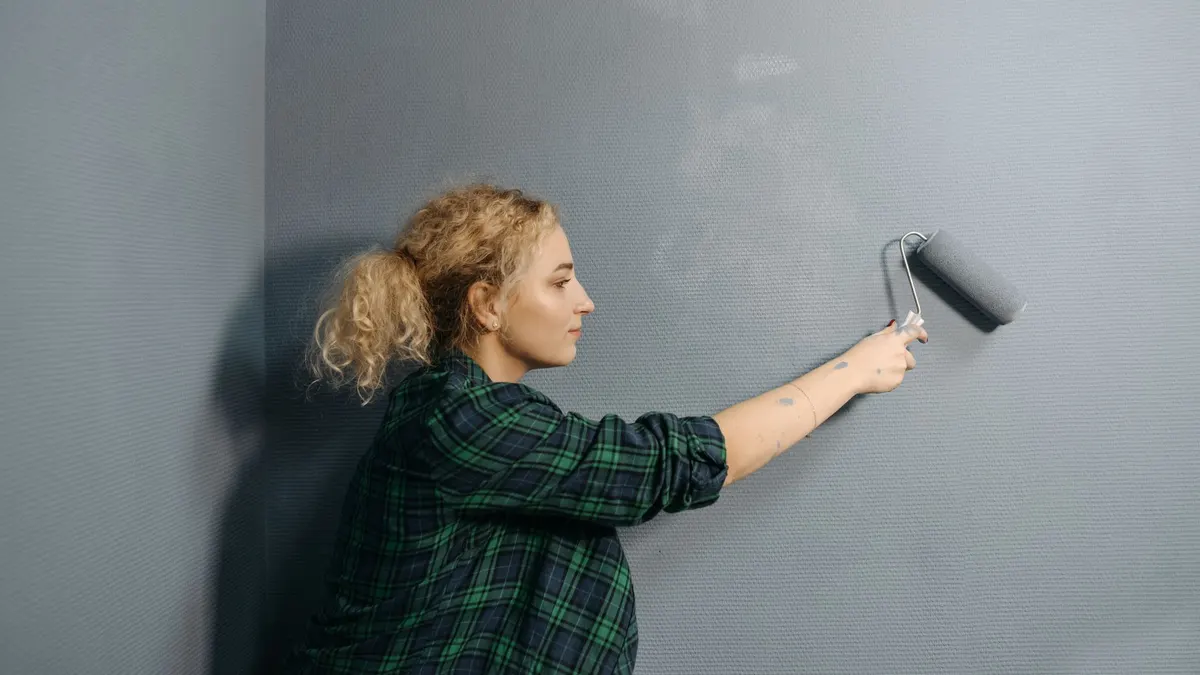
Pressing harder in some strokes than others changes how much paint transfers to the wall in that section, leaving thicker and thinner bands that show up once dry. Consistent, moderate pressure across every stroke matters more than most people realize while they're focused on covering the wall quickly.
Losing the Wet Edge Mid-Wall
Painting one section, letting it dry too much, then overlapping it with the next section creates a visible line where the two meet — the classic lap mark. Working in a planned sequence and keeping each section's edge wet until the next one connects to it avoids this entirely.
- Roll in a consistent pattern (typically a "W" or "N" shape) then fill in without lifting
- Work top to bottom in manageable sections, not the whole wall at once
- Keep the leading edge wet — don't let a section sit and dry before connecting the next
Fixing Roller Marks That Are Already There
A light sand to knock down the texture, followed by a fresh, even coat using the correct nap and consistent technique, resolves most roller-mark issues. If the wall has this problem alongside general patchiness, our guide on why paint looks patchy after drying covers the closely related causes worth checking together.
Questions Answered
Why Roller Marks Show Up After Your Paint Dries, Answered
Wet paint has a temporary even sheen that hides texture. The marks were there the whole time — they just become visible once the paint dries and the surface flattens.
Written By
USA Pro Painters TeamHomeowner Success Team, USA Pro Painters
10 years connecting homeowners with licensed, insured local painters nationwide, backing 500+ completed projects. Writes from real matches and real jobs, not a marketing calendar.