Budgeting
Is It Cheaper to Paint an Empty House?
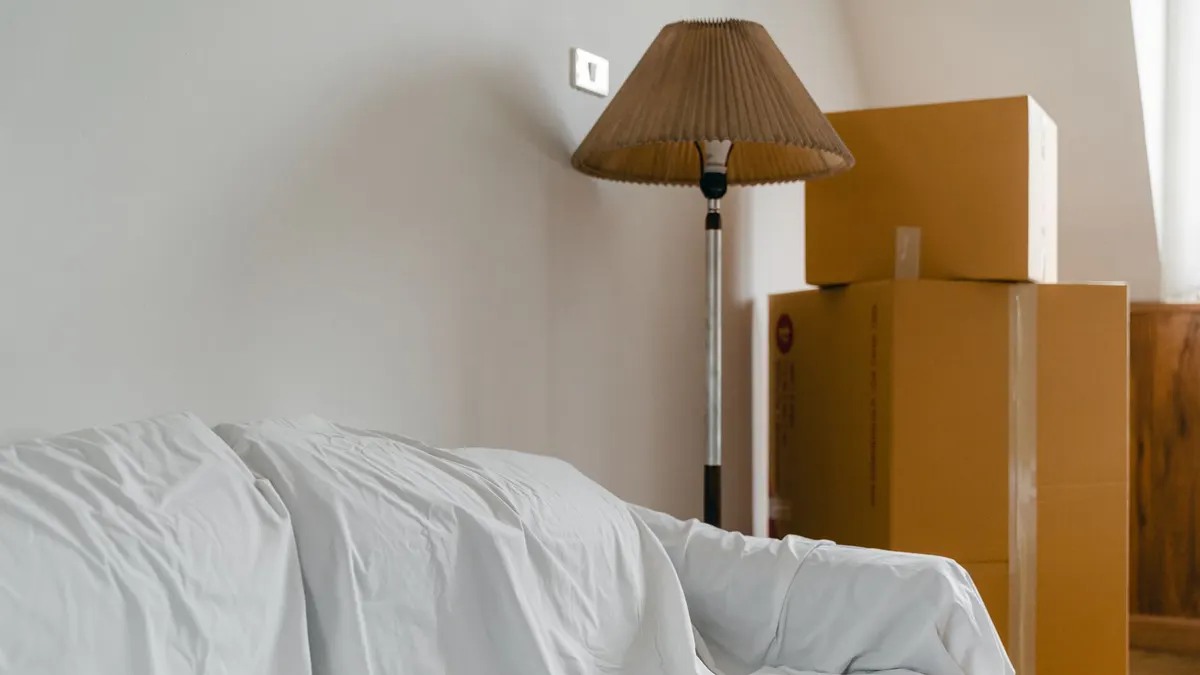
Painting an empty house is usually somewhat cheaper and faster than painting an occupied one, but the savings come from reduced furniture protection and easier access — not from a different rate on the paint itself. Moving and covering furniture, working around a household's schedule, and protecting floors and belongings all add time, and time is most of what you're paying for.
The gap is real but modest. It's rarely large enough on its own to justify moving a move-in date around it.
What Actually Changes When a House Is Empty
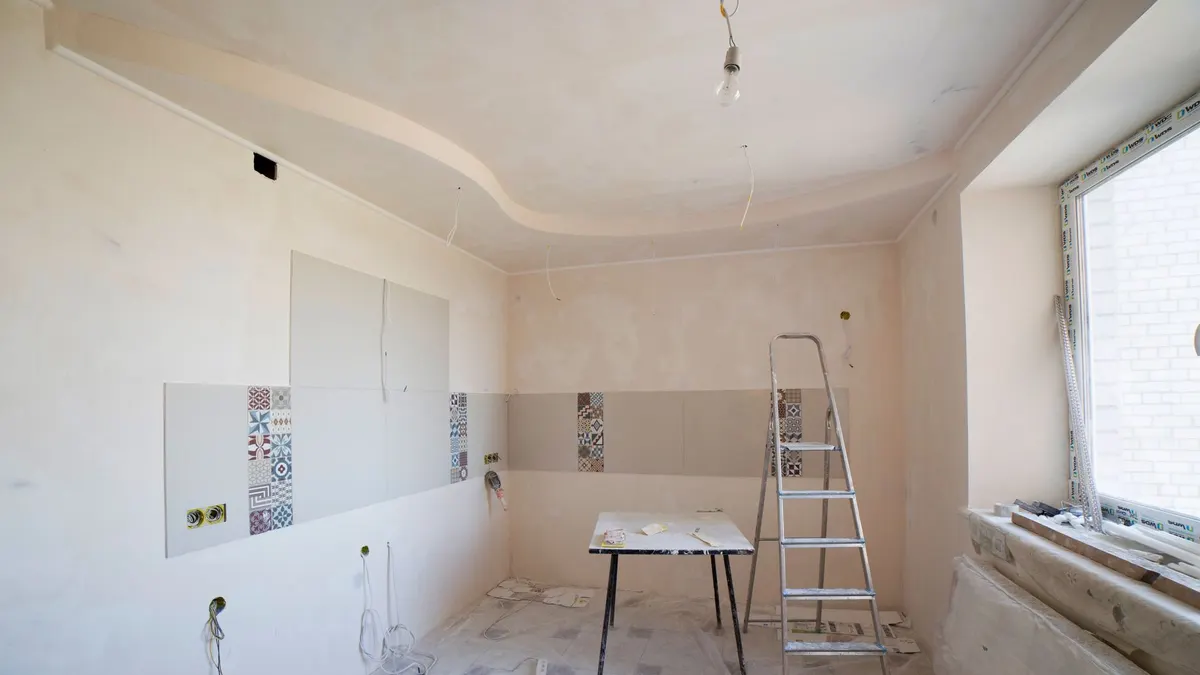
A crew working an empty house can move faster room to room without shifting furniture, laying and re-laying drop cloths around occupied areas, or coordinating with people living there day to day. Walls, corners, and baseboards behind furniture are also fully accessible without moving anything twice.
What Occupied Homes Add to the Job
Furniture moving and covering, protecting floors in high-traffic paths, and working around a family's schedule (kids' nap times, work-from-home calls, pets) all add real time to a project, even when the paint and prep scope is otherwise identical. None of this is a dealbreaker — most interior work happens in occupied homes — but it's the honest reason occupied jobs sometimes run a bit longer or cost a bit more.
How Much Difference This Actually Makes
For a standard interior job, the empty-vs-occupied gap is usually measured in scheduling efficiency, not a dramatically different total. It's rarely worth timing a house purchase or move specifically around getting the home empty first, unless the project itself (like full-house repainting before move-in) is already planned around that window.
Protecting Belongings Happens Either Way
Even in an empty house, floors, fixtures, and any remaining built-ins still need protection from drips and overspray. The difference isn't protection versus no protection — it's how much needs to be moved out of the way first.
- Empty house: floors and fixtures protected, no furniture to move
- Occupied house: furniture moved or covered, plus floors and fixtures
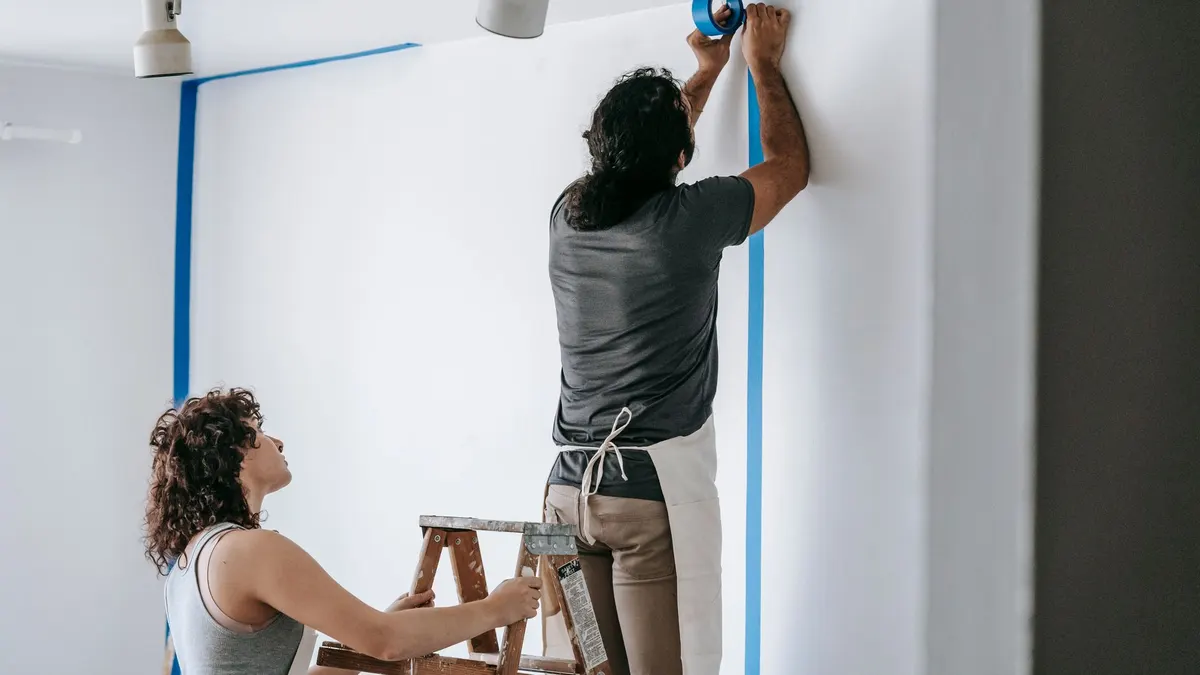
- Either way: doors, hardware, and outlets get masked before any paint goes on
Planning the Timing Either Way
If you have flexibility — between move-out and move-in, or before furniture arrives after a purchase — an empty house is a genuinely easier window to schedule work in. If you don't, an occupied home is a completely normal and common way to get interior painting done; it just means a slightly longer timeline for the same rooms. Either way, get a written estimate scoped to your actual situation rather than assuming one is automatically cheaper.
Questions Answered
Is It Cheaper to Paint an Empty House?, Answered
Usually somewhat, but the difference comes from faster access and less furniture protection, not a different paint rate. It's rarely a dramatic cost gap.
Written By
USA Pro Painters TeamHomeowner Success Team, USA Pro Painters
10 years connecting homeowners with licensed, insured local painters nationwide, backing 500+ completed projects. Writes from real matches and real jobs, not a marketing calendar.