Planning
Touch Up or Repaint the Whole Wall? How to Decide
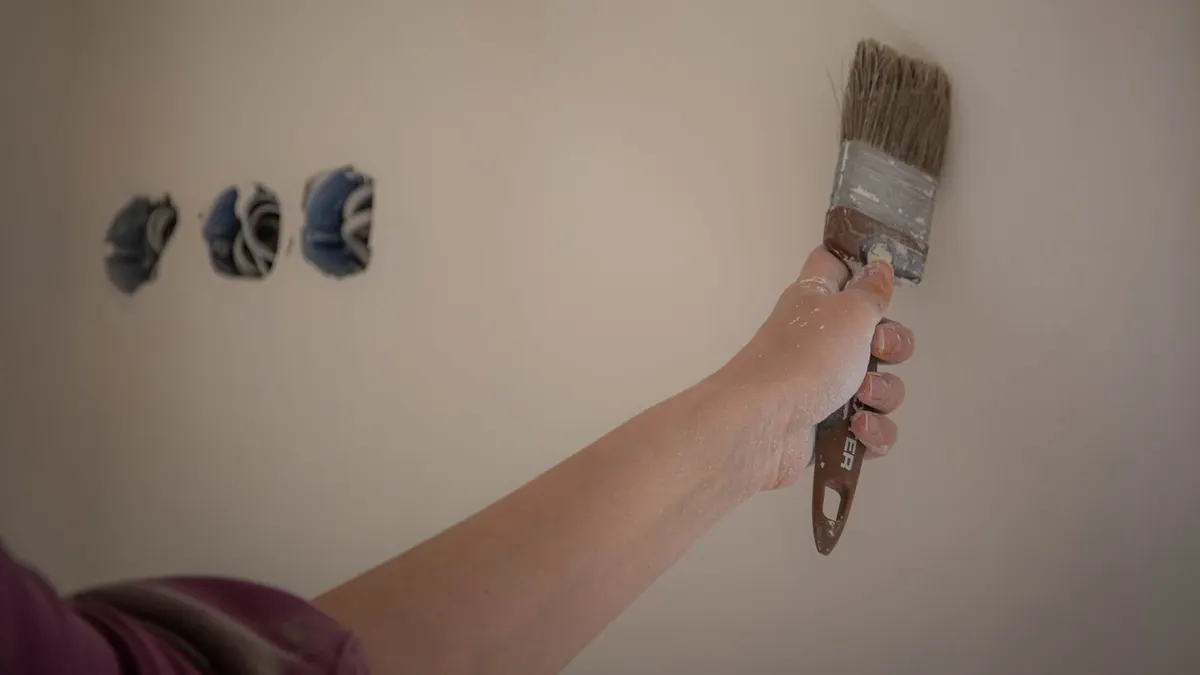
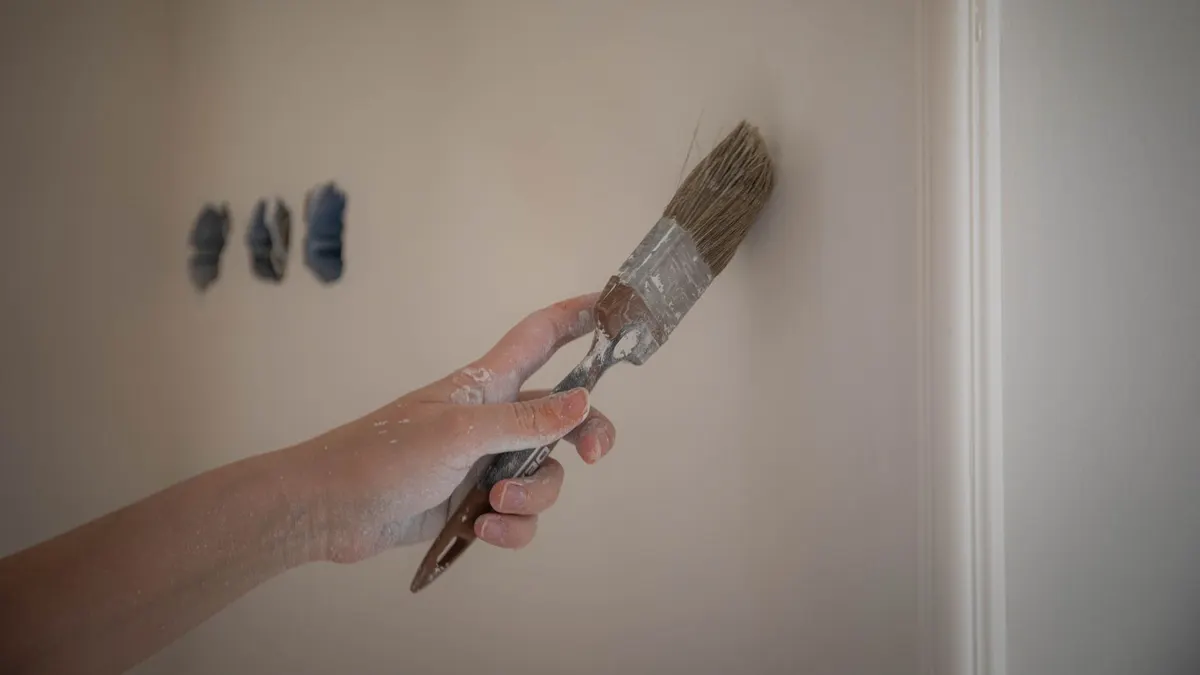
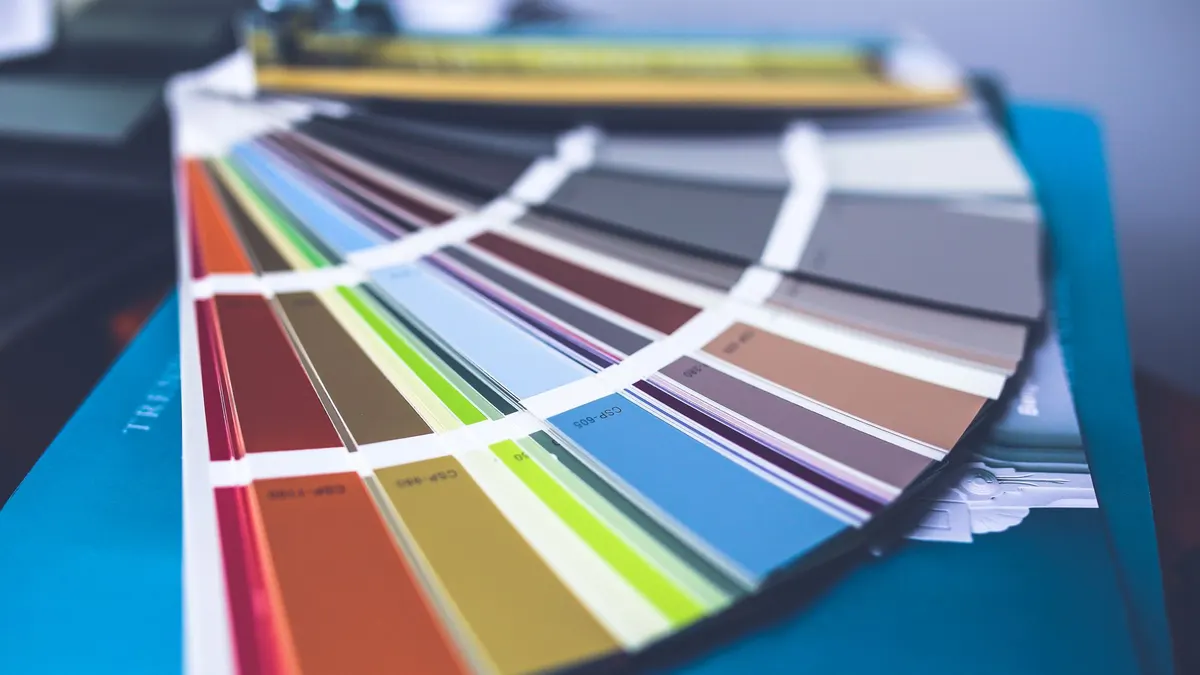
A touch-up makes sense for small, isolated damage on paint that's recent enough to match well and low-visibility enough that a slight sheen or texture difference won't stand out; a full repaint makes more sense for older paint, widespread damage, or high-visibility walls where even a well-blended touch-up would be noticeable. Damage size alone doesn't decide this — paint age and visibility matter just as much.
The question isn't really "how big is the mark." It's "how much attention does this wall get, and how old is the paint I'm trying to match."
When a Touch-Up Is the Right Call
Small, isolated marks on relatively recent paint (within a year or two), on a lower-visibility wall like inside a closet or behind furniture, are good touch-up candidates. Matching sheen, color, and application method (as covered in our guide on touch-ups that don't match) is what actually determines whether the touch-up blends in.
When a Full Repaint Is the Better Investment
Older paint (aged and faded enough that an exact match is unlikely), widespread damage across a significant area, or a highly visible wall — a main living room feature wall, an entryway — where even a well-matched touch-up would still be noticeable, all point toward a full repaint instead.
Visibility Matters More Than Most People Assume
A touch-up in a closet or a low-traffic hallway corner can be slightly imperfect and still go unnoticed. The same touch-up on a wall you see every time you walk into your living room will bother you regardless of how technically close the match is — that ongoing annoyance is a real cost worth weighing against a repaint's upfront cost.
- Low-visibility wall + small, recent damage → touch-up
- High-visibility wall + any noticeable mismatch risk → repaint
- Older paint anywhere → repaint, since an exact match is unlikely regardless of visibility
Weighing the Cost Difference Honestly
A touch-up costs almost nothing if you already have matching paint on hand. A full room repaint is a bigger investment but resolves the mismatch risk entirely and refreshes the whole space rather than leaving the rest of the wall to continue aging while one spot looks freshly patched.
A Practical Way to Decide
Try the touch-up first if the paint is recent and the damage is small and low-visibility — it costs little to attempt. If it doesn't blend well, or the wall is high-visibility and older paint, move to a full repaint rather than attempting a series of touch-ups that keep drawing more attention to the spot.
Questions Answered
Touch Up or Repaint the Whole Wall? How to Decide, Answered
Recent paint (within a year or two), small isolated damage, and a lower-visibility wall are the best conditions for a touch-up to blend well. Older paint or high-visibility walls make a mismatch more likely to be noticeable.
Written By
USA Pro Painters TeamHomeowner Success Team, USA Pro Painters
10 years connecting homeowners with licensed, insured local painters nationwide, backing 500+ completed projects. Writes from real matches and real jobs, not a marketing calendar.