Planning
Why Your Paint Color Looks Different on the Wall
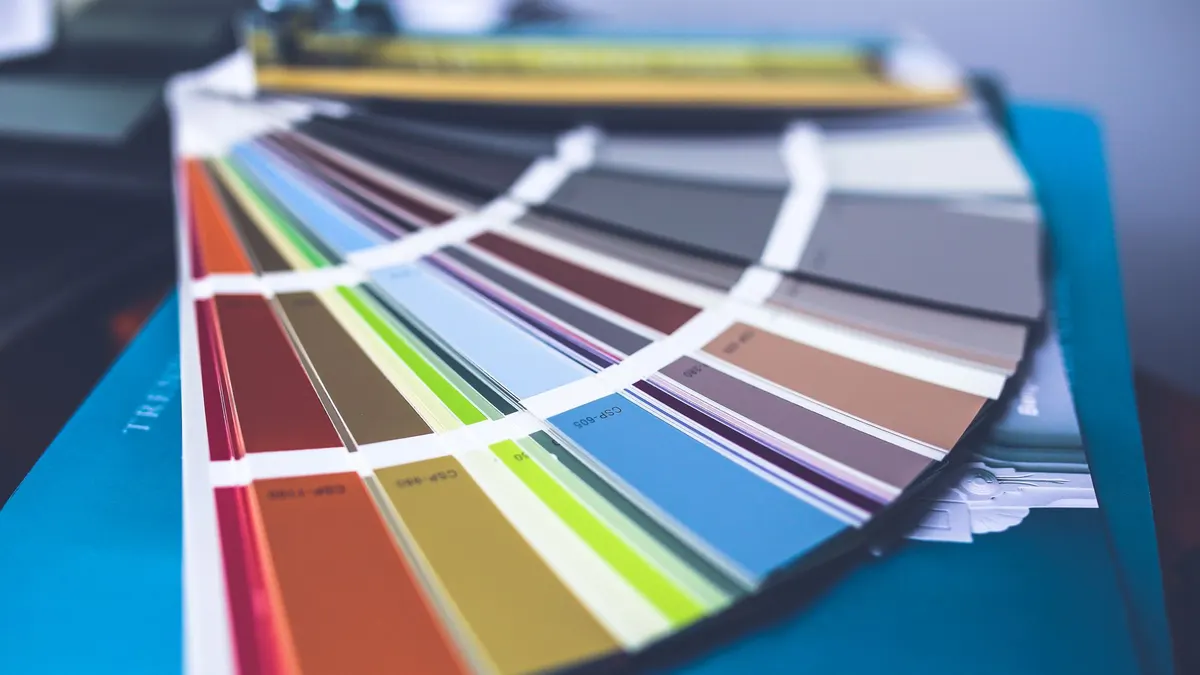
Paint color looks different on the wall than on a swatch because of lighting (natural light shifts throughout the day, artificial light shifts color temperature), undertones that only become visible at full wall scale, and surrounding colors — flooring, furniture, trim — that all interact with the new color. The swatch was never wrong; it was just never tested under your actual conditions.
A 2-inch chip under fluorescent hardware-store lighting and a full wall under your living room's afternoon sun are, chemically, the same paint and, visually, almost different colors entirely.
Lighting Changes Everything, Literally All Day
Natural light shifts in color temperature from cool morning light to warm afternoon light to blue-toned evening light, and a color can look meaningfully different at each stage. Artificial lighting adds another layer — warm incandescent bulbs, cool LED bulbs, and daylight-balanced bulbs all render the same paint color differently.
Undertones Show Up More at Full Wall Scale
Nearly every "neutral" paint color has a subtle undertone — a gray with a hint of blue, a beige with a hint of pink or green — that's barely visible on a small swatch but becomes obvious once it covers an entire wall. This is one of the most common reasons a color that looked perfectly neutral in the store reads as slightly off once applied.
Surrounding Colors Interact With the New Paint
Flooring, furniture, trim, and even the color of adjoining rooms visible from the same sightline all influence how a wall color reads. The exact same paint can look warmer next to a cool gray floor and cooler next to a warm wood floor — context changes perception even though the paint itself hasn't changed.
How to Actually Test a Color Before Committing
Paint a large sample swatch — at least a two-foot square, not a tiny chip — directly on the wall, and check it at different times of day under your home's actual lighting. Testing on a poster board you move around the room is a reasonable alternative if you don't want to commit paint directly to the wall yet.
- Use a large sample area, not a small paint chip or online swatch
- Check it in morning, midday, and evening light
- View it next to your actual flooring, furniture, and trim, not in isolation
When a Color Mismatch Shows Up After the Whole Room Is Done
If a color reads differently than expected after a full room is painted, living with it for a few days under all lighting conditions before deciding it's wrong is worth doing — first impressions on day one, especially under one type of lighting, aren't always the full picture. If it's genuinely not working, our guide on touch-up vs. repaint the whole wall covers what's involved in changing course.
Questions Answered
Why Your Paint Color Looks Different on the Wall, Answered
Lighting (both natural and artificial), undertones that only show up at full wall scale, and surrounding colors like flooring and furniture all change how the same paint color actually reads once applied.
Written By
USA Pro Painters TeamHomeowner Success Team, USA Pro Painters
10 years connecting homeowners with licensed, insured local painters nationwide, backing 500+ completed projects. Writes from real matches and real jobs, not a marketing calendar.