Planning
Should You Paint Before or After Installing Flooring?
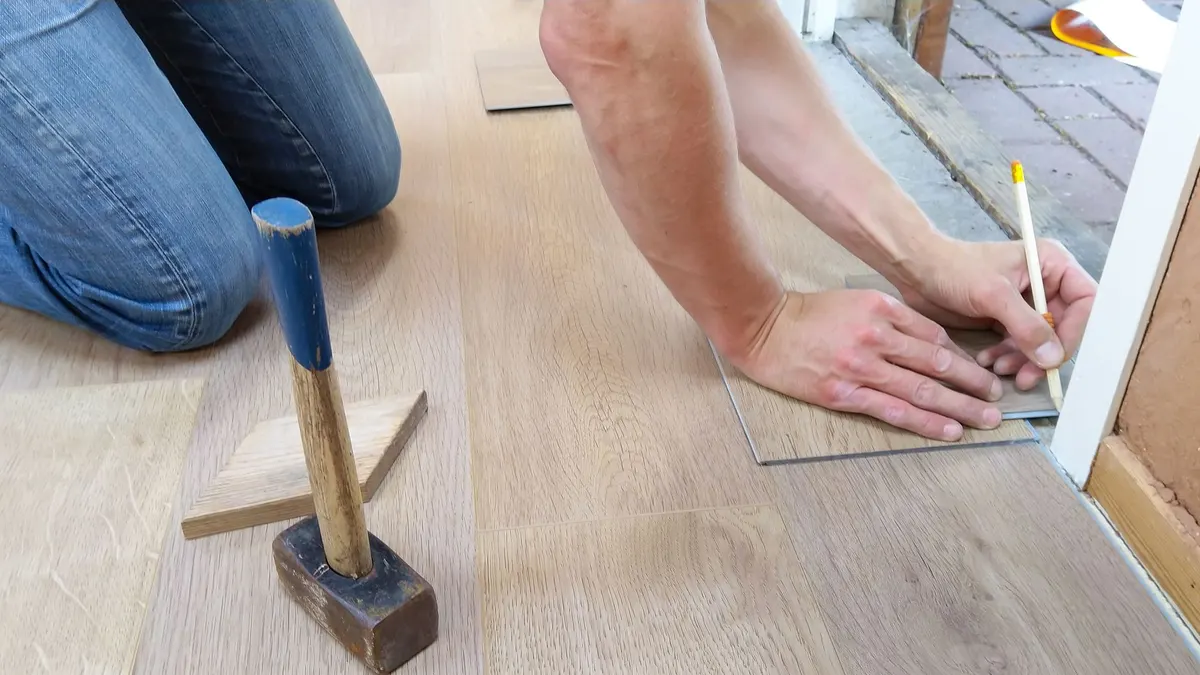
Paint walls and ceilings before installing new flooring, then do a final trim and baseboard touch-up after the floor is in — this order protects the new floor from paint drips and avoids the extra masking effort of protecting a finished floor during a full repaint. The only paint work that happens after flooring is targeted touch-ups where the installation might scuff trim.
Painting after flooring means treating a brand-new floor like it's made of glass for a week. Painting before means one honest touch-up pass afterward. The second one is less stressful for everyone.
The Standard Sequence, and Why It Works
Walls and ceilings get painted first, over the existing or subfloor, with reasonable but not extreme floor protection since it's not the final surface yet. Flooring goes in next. Trim and baseboards get their final coat, or a touch-up, after the floor installation is complete, since that's when they're most likely to get scuffed or need caulking against the new floor line.
Why Painting After Flooring Creates More Risk, Not Less
Painting a full room after new flooring is installed means far more careful (and time-consuming) masking to protect an expensive, finished surface from drips and splatter — a risk that simply doesn't exist if the floor isn't down yet. It's technically possible, but it trades a small amount of touch-up work later for a much bigger protection job during the main paint phase.
Trim and Baseboards Are the Exception
Baseboards often need a final coat or touch-up after flooring goes in, since installation can scuff them, and the exact line where trim meets the new floor is easier to caulk and paint cleanly once the floor is actually there. This is a smaller, more targeted job than painting the whole room, which is why it fits naturally after flooring rather than before.
- Walls and ceilings: paint first, before flooring
- Trim and baseboards: rough coat before flooring, final touch-up after
- Caulking trim-to-floor line: after flooring is installed
Protecting the Subfloor or Existing Floor During the Paint Phase
Even without a finished floor down yet, drop cloths still matter — a subfloor or existing floor being replaced doesn't need pristine protection, but adjacent rooms with flooring you're keeping absolutely do. Confirm with your painting crew which floors need full protection versus which are being replaced anyway.
Coordinating the Full Renovation Timeline
If you're planning a bigger renovation with multiple trades, confirming this sequence with both your flooring installer and your painting crew up front avoids a scheduling conflict where one trade is waiting on the other unnecessarily. Our guide on preparing your home before painters arrive covers the broader coordination checklist.
Questions Answered
Should You Paint Before or After Installing Flooring?, Answered
Before. It protects the new floor from paint drips and avoids the extra masking effort of protecting a finished floor during a full room repaint.
Written By
USA Pro Painters TeamHomeowner Success Team, USA Pro Painters
10 years connecting homeowners with licensed, insured local painters nationwide, backing 500+ completed projects. Writes from real matches and real jobs, not a marketing calendar.