DIY vs. Pro
Should You Paint Your Own House Exterior?
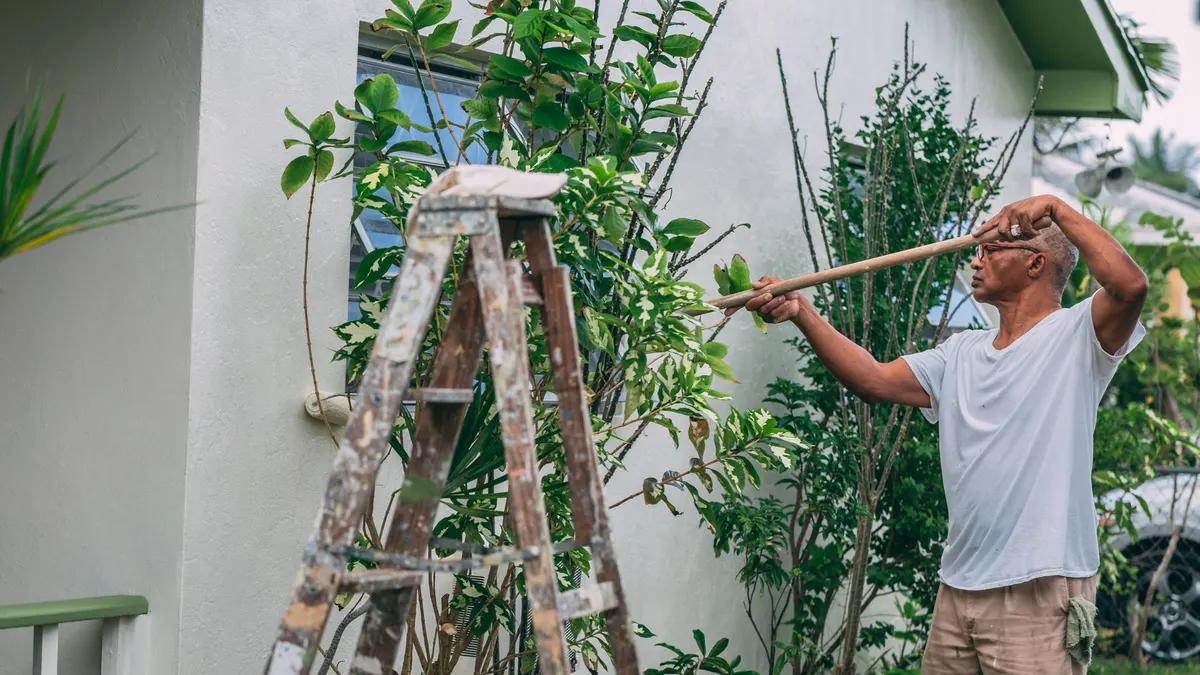
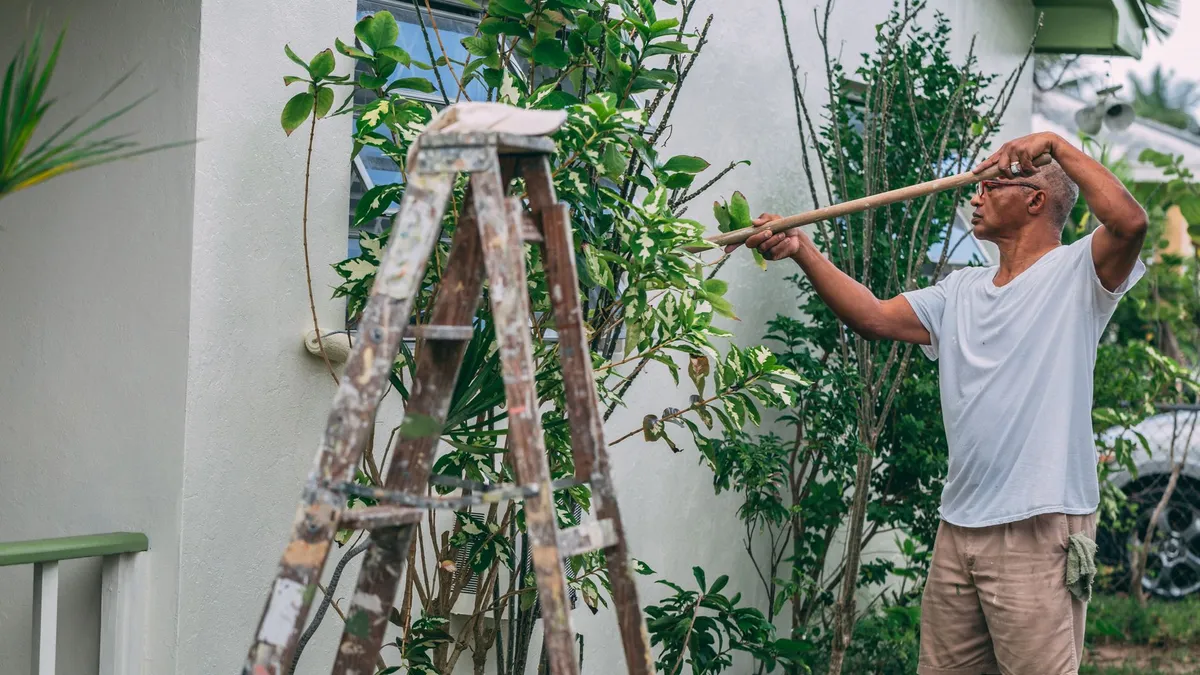
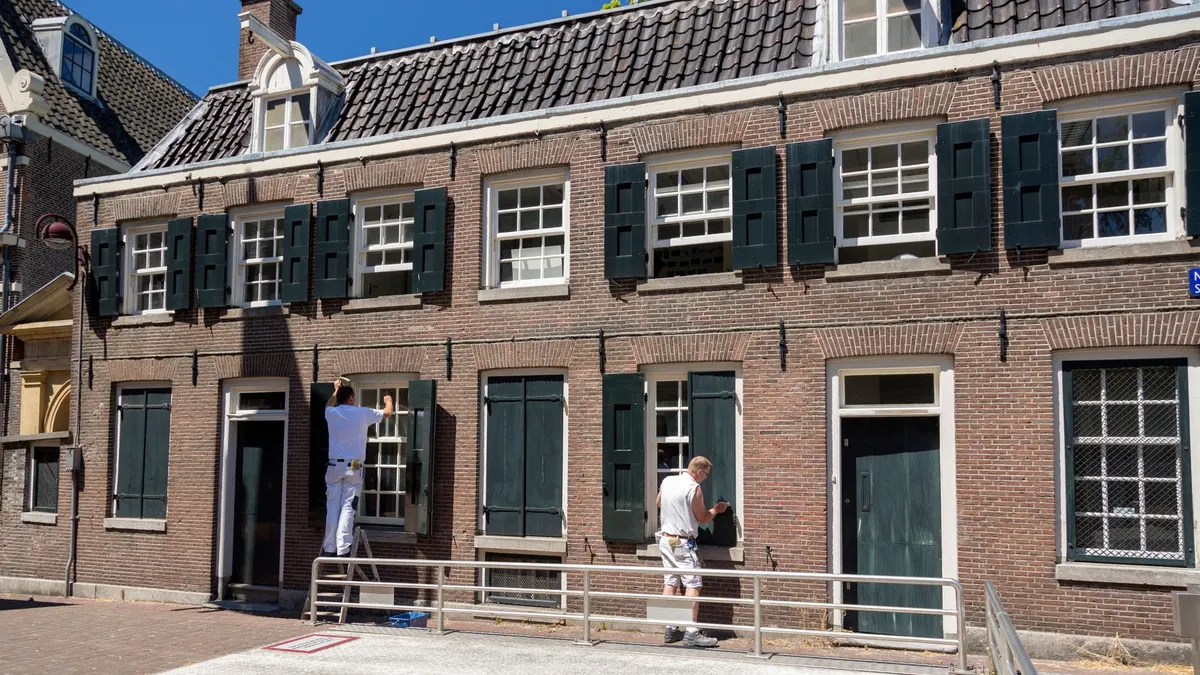
DIY exterior house painting is a reasonable project for a single-story home with sound siding and no significant repair needed — it becomes a much harder call once ladder height, weather timing, or bare wood repair enter the picture. The risks aren't just time and money the way interior DIY is; they're physical safety and moisture getting behind the siding if the work isn't done right.
A wall you paint badly indoors is an annoyance. A wall you paint badly outdoors is an invitation for water to find its way into your framing for the next few years, quietly, while you're not looking.
Height and Access Change the Calculation Fast
A single-story ranch is a manageable DIY exterior project. A two-story colonial with peaks, dormers, or a steep roofline introduces real fall risk that professional crews manage with training and the right equipment. This is the single biggest reason to hire out an exterior job even when everything else about it seems DIY-friendly.
The Weather Window Is Narrower Than It Looks
Exterior paint needs surface and air temperatures above 50°F to cure properly, and needs to be dry before rain — not just the day of painting, but often the day before and after too, depending on the product. Check the National Weather Service forecast for your full project window, not just the day you plan to start, since a DIY project stretched over multiple weekends has more exposure to a bad forecast than a professional crew finishing in days.
Surface Condition Matters More Outdoors Than In
Peeling, cracking, or bare wood on an exterior isn't cosmetic the way it can be indoors — it's an active moisture entry point. Prep time predicts paint lifespan more than the paint brand does, and that's especially true outdoors, where a rushed prep job on bare wood leads to paint failure within a year or two instead of the 7–10 years a properly prepped job holds up.
What Full Prep Actually Looks Like
One example worth sizing your own DIY plan against: an exterior job in Concord where prep — scraping, sanding, spot-priming bare wood — took a full day before any topcoat went on. "Prep took a full day before any paint went on. That's the part most crews skip, and it showed in the final coat," the homeowner, Marcus T., noted afterward. That's the standard to plan a DIY timeline around, not the shortcut version.
When to Hire an Exterior Job Out Instead
Multi-story homes, extensive bare wood or cracking, or a tight weather window before a season change are all good reasons to bring in a professional exterior crew instead. If your home is a single story with intact siding and you have realistic weekends to spare across a stable forecast window, DIY is a legitimate option — just budget the prep day the same way a professional crew would.
Questions Answered
Should You Paint Your Own House Exterior?, Answered
It carries real fall risk without the training and equipment a professional crew uses. Single-story homes are a much safer and more reasonable DIY fit.
Written By
USA Pro Painters TeamHomeowner Success Team, USA Pro Painters
10 years connecting homeowners with licensed, insured local painters nationwide, backing 500+ completed projects. Writes from real matches and real jobs, not a marketing calendar.