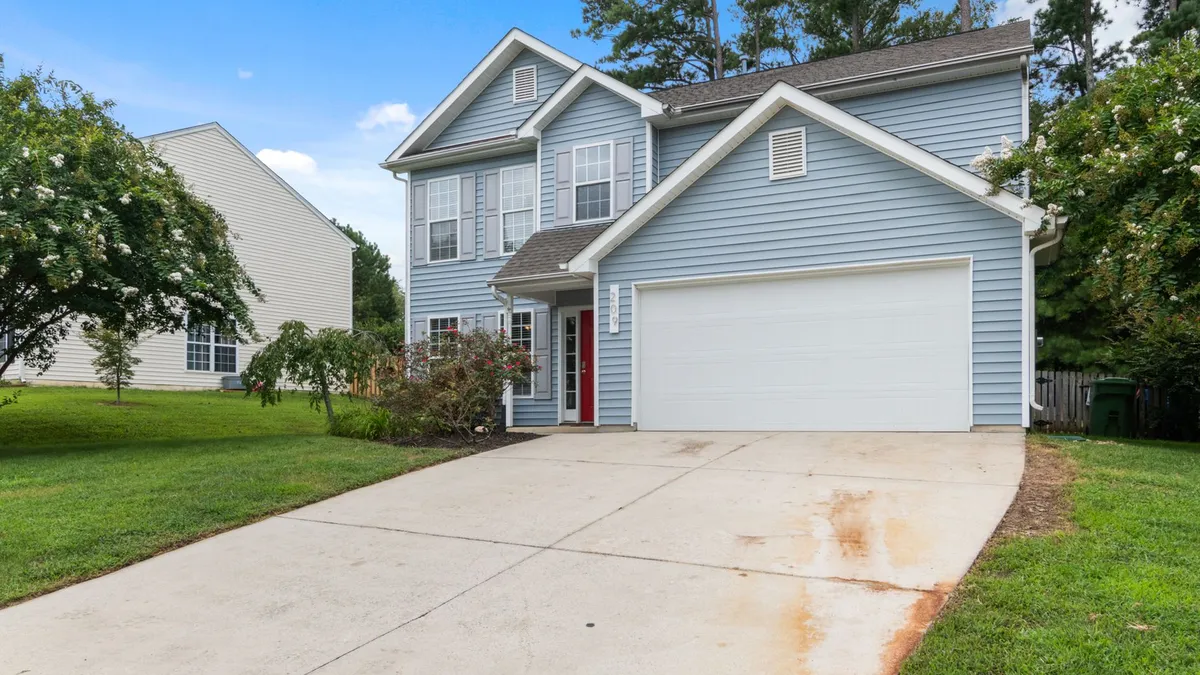
Exterior
How Long Exterior Paint Actually Lasts, Coat by Coat
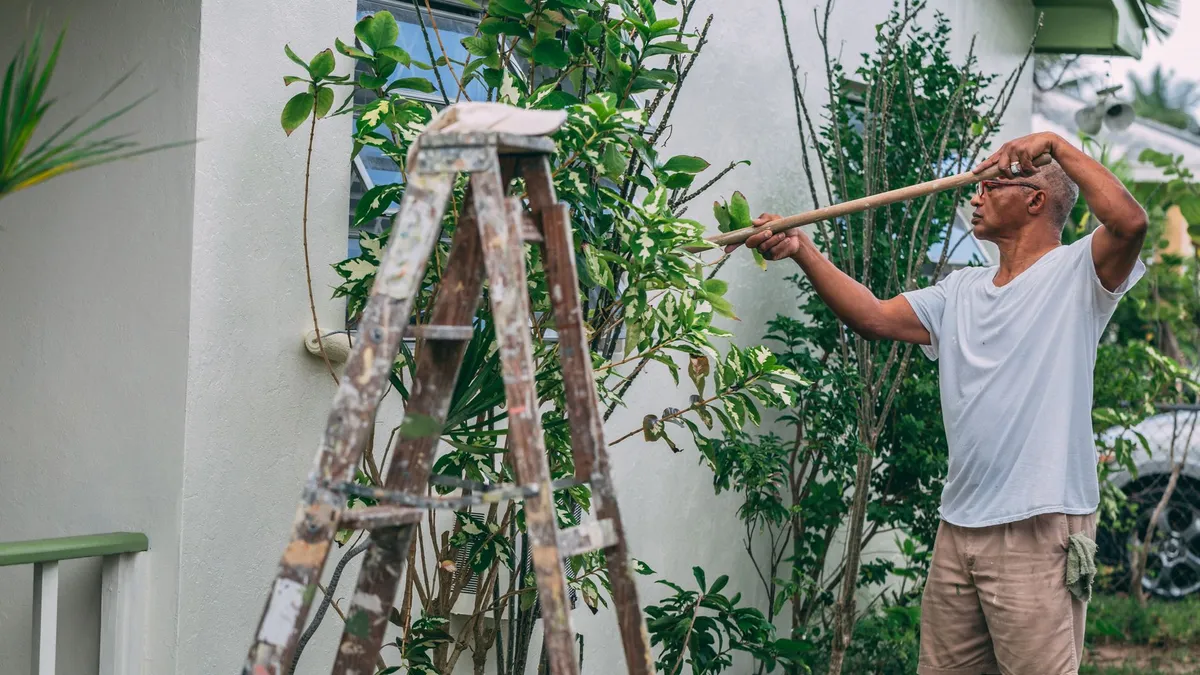
A properly prepped exterior paint job lasts seven to ten years before it needs another coat. That range comes down to how much prep happened before the topcoat went on — not which brand of paint got used. Sun exposure, siding material, and surface prep move the number more than the can on the shelf does.
Most homeowners comparing contractor bids focus on the paint line each one quotes. That's the smaller variable. The bigger one is what happens in the days before any paint touches the house, and it's the part that's hardest to see in a bid.
What Actually Determines How Long Exterior Paint Lasts
Five factors move the timeline more than the paint brand printed on the estimate:
- Sun exposure — south- and west-facing walls fade and chalk years before north-facing ones on the same house.
- Siding material — wood absorbs and releases moisture with the seasons and needs repainting more often than vinyl, stucco, or brick.
- Prep quality — scraping, sanding, and priming bare wood before the topcoat is the single biggest lever on lifespan.
- Coat count — a two-coat finish on sun-facing walls consistently outlasts a single heavy coat.
- Climate — freeze-thaw cycles common in Massachusetts stress paint film at trim joints and corners faster than a milder climate would.
Prep Work Is the Part That Actually Extends the Number
Prep time predicts paint lifespan more than the paint brand does. The spread between a job that fails at year 7 and one that's still solid at year 10 usually isn't the paint — it's whether scraping, sanding, and spot-priming happened before the topcoat went on.
We saw this play out on a recent exterior painting project in Concord. Prep took a full day before any paint went on — power washing, scraping loose paint, sanding, spot-priming bare wood. That's the step most crews skip or rush to hit a lower price, and it's the one that shows up five years later, not on day one.
If you're comparing two bids and one is meaningfully cheaper, ask what's different about the prep scope, not the paint. That's usually where the number moved.
Paint Brand Matters Less Than You'd Think
A mid-range 100% acrylic exterior paint, applied over a fully scraped, sanded, and primed surface, will consistently outlast a premium paint line applied over old peeling paint. Acrylic exterior formulas are built to flex through freeze-thaw cycles without cracking — that's the baseline requirement for a Massachusetts exterior, and most name-brand lines clear it.
Where brand does matter: color retention on sun-facing walls over a long horizon, and how forgiving the formula is if a coat goes on slightly outside ideal humidity. Ask a contractor which line they use and why, but don't let brand alone decide the bid — the American Coatings Association publishes industry-wide formulation and durability standards if you want to verify a specific product's claims independently.
New England's Weather Window Changes the Math
Exterior paint needs surface and air temperatures above 50°F to cure properly. Paint applied outside that window — a late-fall job squeezed in before the cold, for example — can look fine on install day and fail within a year or two, regardless of brand or prep quality.
Check the National Weather Service forecast for your project window before scheduling exterior work near the shoulder seasons, and ask your contractor how they handle a forecast that turns against the job mid-project.
Signs Your Exterior Paint Is Actually Due, Not Just Old
Age alone isn't the signal. Two things are worth checking before you assume a full repaint is due:
- Chalking — rub a hand across the siding. A powdery residue means the paint's protective binders have broken down.
- Cracking at trim joints — this lets moisture behind the paint film, which is how peeling starts.
- A dulled but intact finish with no chalking or cracking often just needs a wash, not a full repaint — a free exterior assessment in Bedford or any of the areas we cover will tell you which one you're looking at.
When It's Worth Waiting a Season
If your siding is chalking but not cracking, and the current color still works for you, waiting a season to budget properly is a reasonable call — a rushed repaint outside the weather window causes more damage than a delayed one. If you're weighing exterior against other projects on the property, our breakdown on interior vs. exterior budget priorities walks through which one to fund first. And if two bids for the same job come in far apart, read what a real painting estimate should include before assuming the cheaper one is the better deal.
This isn't a fit for every homeowner. If your siding needs replacement rather than paint, or you need a crew on-site this week during peak season, a rushed exterior job isn't going to hold — we'd tell you that in the estimate instead of taking the job anyway.
Questions Answered
How Long Exterior Paint Actually Lasts, Coat by Coat, Answered
Every 7–10 years with proper prep. South- and west-facing walls, or older wood siding without a moisture barrier, tend to land at the shorter end of that range.
Written By
USA Pro Painters TeamHomeowner Success Team, USA Pro Painters
10 years connecting homeowners with licensed, insured local painters nationwide, backing 500+ completed projects. Writes from real matches and real jobs, not a marketing calendar.