DIY vs. Pro
Why Painting a Ceiling Is Harder Than It Looks
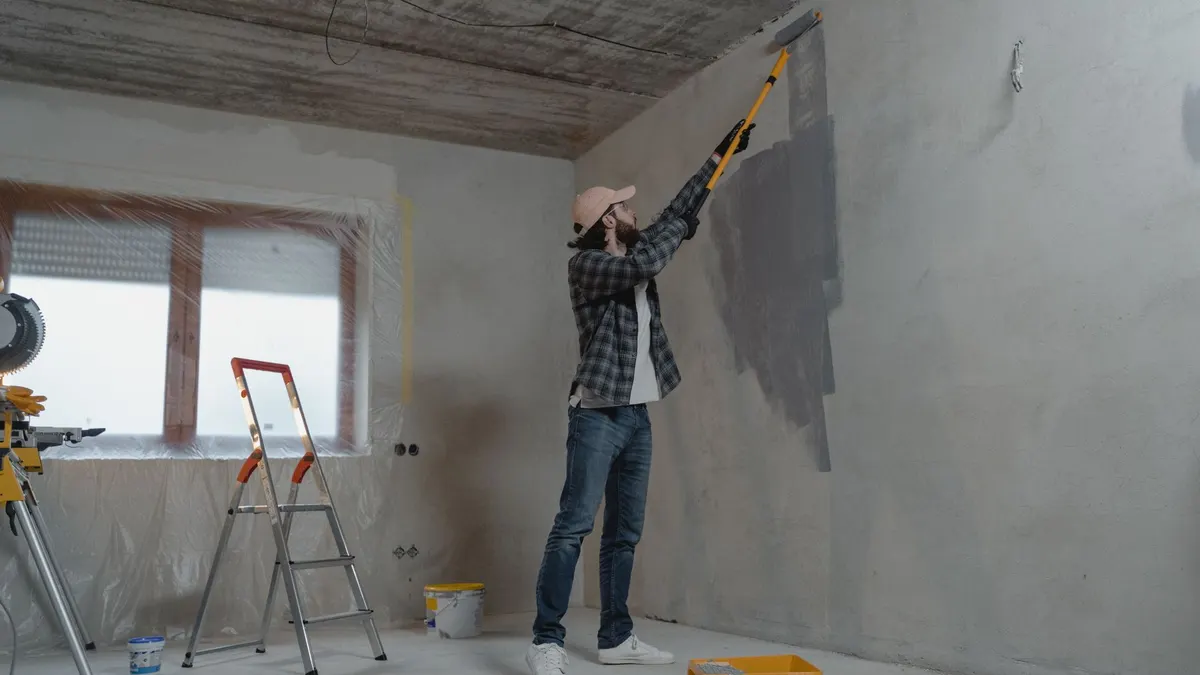
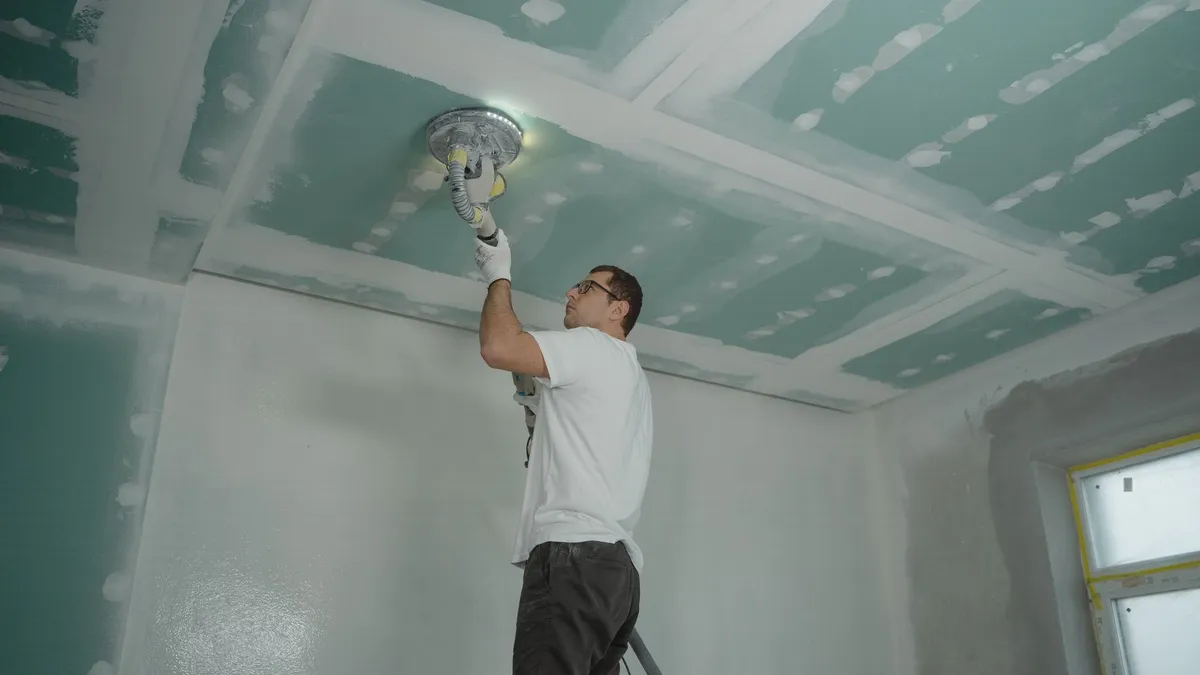
Painting a ceiling is harder than it looks because of overhead application (constant drip risk), lighting that shows every roller stipple and missed spot, and the physical strain of working arms-up for hours. It looks like the simplest surface in the room — no corners, no trim to cut around — but it's one of the more physically demanding ones to actually finish well.
Gravity does not care that you're almost done with the ceiling. It just wants your face.
Overhead Application Fights Basic Physics
Paint applied overhead drips more than paint applied to a vertical wall, simply because gravity is working against the roller the whole time. A roller loaded too heavily sprays small drops on the way up; managing that balance — enough paint to cover, not so much it drips — takes more attention than wall painting does.
Ceiling Lighting Exposes Every Flaw
Light hits a ceiling at a raking angle from windows and fixtures, which highlights roller stipple, missed spots, and lap marks (where a dried edge overlaps a wet one) far more than the same imperfections would show on a wall. This is why flat sheen is the default for ceilings — it reflects light evenly and hides these marks better than any higher sheen would.
The Physical Demand Is Real
Working arms-up with a roller for an extended period is genuinely tiring in a way that wall painting isn't, and fatigue is when technique slips — uneven pressure, rushed strokes, missed sections near corners. Taking breaks matters more here than on any other surface in the house.
Keeping a Wet Edge Matters More Overhead
Ceiling paint dries fast under typical room airflow, and working section by section without overlapping a partially dried edge is what prevents visible lap marks. This means planning your path across the ceiling before starting, not improvising as you go.
- Work in manageable sections, roughly a roller-width wide
- Keep a wet edge — don't let one section dry before the next connects to it
- Use an extension pole rather than a ladder for most of the ceiling to keep a consistent angle
When a Ceiling Is Worth Hiring Out
Textured ceilings, popcorn finishes, high or vaulted ceilings, or water-stained areas that need more than a quick coat are all reasonable reasons to bring in a professional rather than spend a weekend fighting drips and neck strain. If your ceiling has texture you're also reconsidering, see our popcorn ceiling options guide before deciding on paint alone.
Questions Answered
Why Painting a Ceiling Is Harder Than It Looks, Answered
Overhead application fights gravity and drips more easily, ceiling lighting shows every roller stipple and missed spot, and the physical strain of arms-up work leads to fatigue that affects technique.
Written By
USA Pro Painters TeamHomeowner Success Team, USA Pro Painters
10 years connecting homeowners with licensed, insured local painters nationwide, backing 500+ completed projects. Writes from real matches and real jobs, not a marketing calendar.