DIY vs. Pro
How to Recognize a Quality Paint Job
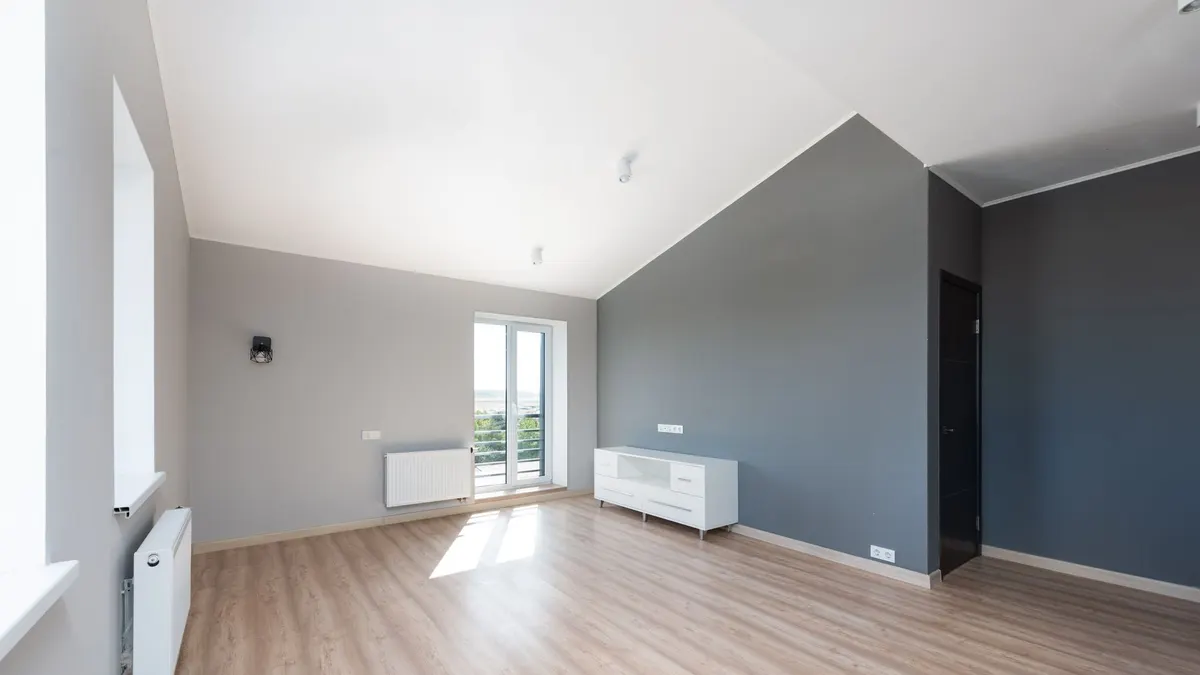
A quality paint job has clean, straight edges at trim and ceiling lines, even coverage with no roller marks or thin spots under direct light, and no paint splatter left on floors, fixtures, or hardware. Color is the part most people judge first, but it's the least reliable indicator — even a rough application can look fine in a photo.
Check the corners, not the color. Corners don't lie the way a good Instagram angle does.
Check the Edges First
Look where the wall meets the ceiling, trim, and adjacent walls. Straight, crisp lines with no bleed-through or ragged edges are the clearest sign of careful work — this is one of the harder skills to get right and one of the easiest to spot when it's done well or poorly.
Check Coverage Under Direct and Angled Light
Look at the wall from an angle, with a light source raking across it, not just standing straight in front of it. Roller marks, thin spots, or slight color variation show up under raking light even when the wall looks perfectly even head-on.
Check Corners, Trim, and Detail Work
Inside corners should be crisp, not rounded or double-coated where two walls meet. Trim and baseboards should have clean lines against the wall color, with no visible wall paint on trim or vice versa.
- Inside corners crisp, not rounded or overlapped
- Trim lines clean against wall color
- No visible brush marks on trim where a smooth finish is expected
Check Cleanup — It Says a Lot About the Whole Job
Paint splatter on floors, light fixtures, outlet covers, or door hardware is a sign of rushed masking, and it's usually correlated with rushed prep elsewhere too. A crew that cleans up daily and leaves hardware paint-free is generally the same crew that took the time to prep properly before painting.
What to Do If a Paint Job Falls Short
Walk the job with the painter before calling it finished, and point out anything from this checklist that doesn't meet the standard — most professional crews expect this walkthrough and will address it on the spot. If the issues are more than cosmetic, our guide on fixing a bad paint job covers how to tell a touch-up situation from a bigger problem.
Questions Answered
How to Recognize a Quality Paint Job, Answered
Look at edges, corners, and coverage under angled light rather than just the overall color — ragged edges, roller marks, and thin spots are the clearest tells.
Written By
USA Pro Painters TeamHomeowner Success Team, USA Pro Painters
10 years connecting homeowners with licensed, insured local painters nationwide, backing 500+ completed projects. Writes from real matches and real jobs, not a marketing calendar.