Budgeting
What Does It Take to Fix a Bad Paint Job?
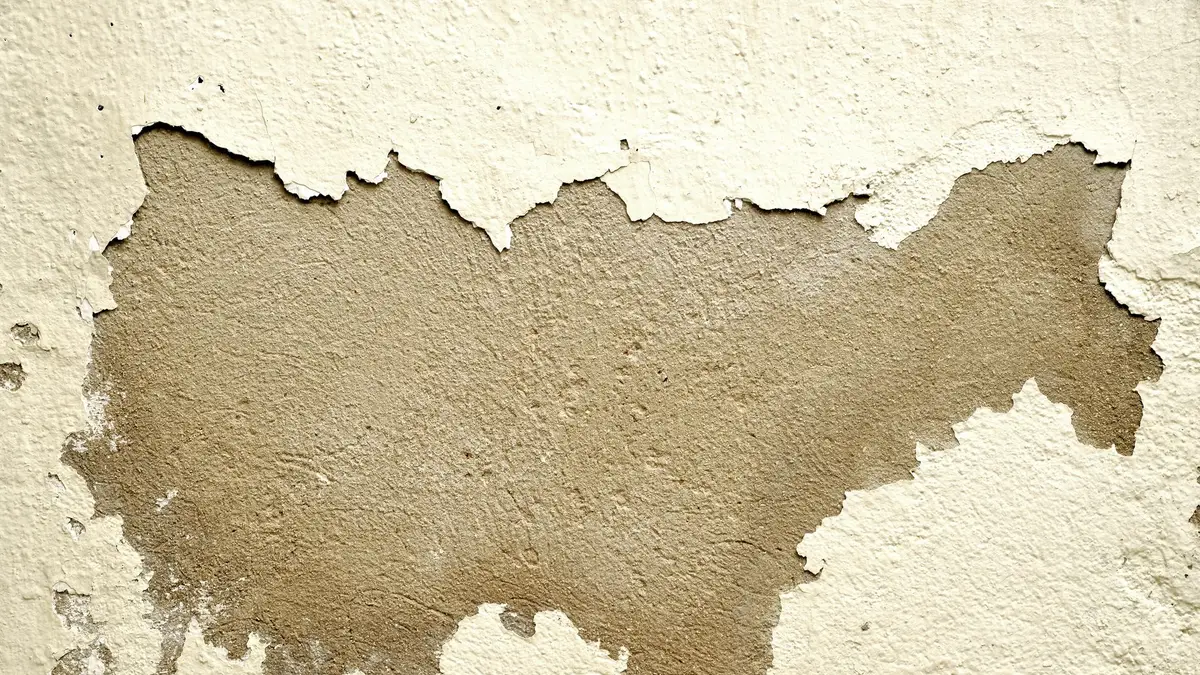
Fixing a bad paint job takes a simple touch-up if the problem is cosmetic — roller marks, patchy coverage, missed spots — or a full scrape-back and repaint if it's an adhesion failure like peeling or bubbling. The two look similar from across the room and require completely different amounts of work, so telling them apart first saves you from either over- or under-fixing it.
Getting this wrong in either direction wastes money: touching up an adhesion failure just delays the real fix, and fully redoing a cosmetic issue is more work than the problem needed.
Cosmetic Issue or Adhesion Failure? Check This First
Run a hand across the affected area. If the paint is flat, intact, and just uneven or patchy in appearance, that's cosmetic. If it's flaking, bubbling, or lifts when you scratch a fingernail under an edge, that's an adhesion failure — the paint isn't bonded to the surface underneath, and no amount of touch-up paint fixes that.
Fixing Cosmetic Issues: Usually a Half-Day or Less
Patchy coverage, visible roller marks, or a few missed spots are typically resolved with a light sand and one additional coat over the affected area, feathered into the surrounding wall so it doesn't read as a distinct patch. This is quick, low-cost work compared to a full repaint.
Fixing Adhesion Failures: Back to Bare Surface
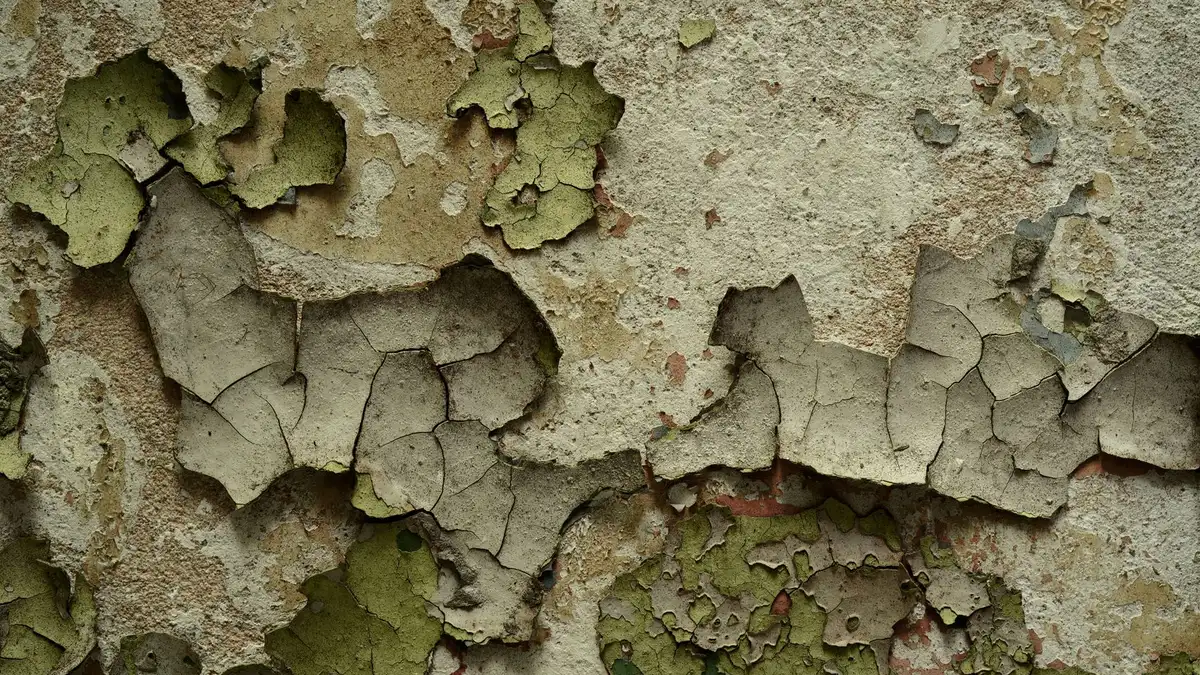
Peeling, bubbling, or cracking paint has to be scraped back to a sound surface, then sanded, primed, and repainted — there's no shortcut that holds up, because painting over a failing bond just repeats the failure on a slightly longer timeline. This is essentially the scope of a fresh repaint on that surface, prep included.
Understanding Why It Failed Prevents a Repeat
Adhesion failures almost always trace back to moisture, insufficient prep, or paint applied outside the right temperature and humidity range. Fixing the paint without addressing the underlying cause — a moisture source, unprimed bare wood, incompatible coating layers — means the new paint fails the same way the old one did.
- Moisture intrusion — needs the source addressed, not just the paint
- Skipped or missing primer on bare or porous surfaces
- Paint applied in the wrong temperature or humidity window
When to Call a Professional Instead of DIY-Fixing It
A small cosmetic touch-up is a reasonable DIY task. An adhesion failure spread across a significant area, or one where the underlying cause isn't obvious, is worth a professional assessment — a rushed DIY scrape-and-repaint over an unresolved moisture issue just moves the failure a year down the road. If the walls are peeling and you're not sure why, our guide on wall paint peeling covers common causes before you start scraping.
Questions Answered
What Does It Take to Fix a Bad Paint Job?, Answered
Run a hand across it. If the paint is flat and intact but just uneven or patchy, it's cosmetic and fixable with a light sand and an additional coat. If it flakes or lifts under a fingernail, it's an adhesion failure needing a full scrape-back.
Written By
USA Pro Painters TeamHomeowner Success Team, USA Pro Painters
10 years connecting homeowners with licensed, insured local painters nationwide, backing 500+ completed projects. Writes from real matches and real jobs, not a marketing calendar.