Repair
Why Is Your Wall Paint Peeling—and Will Repainting Help?
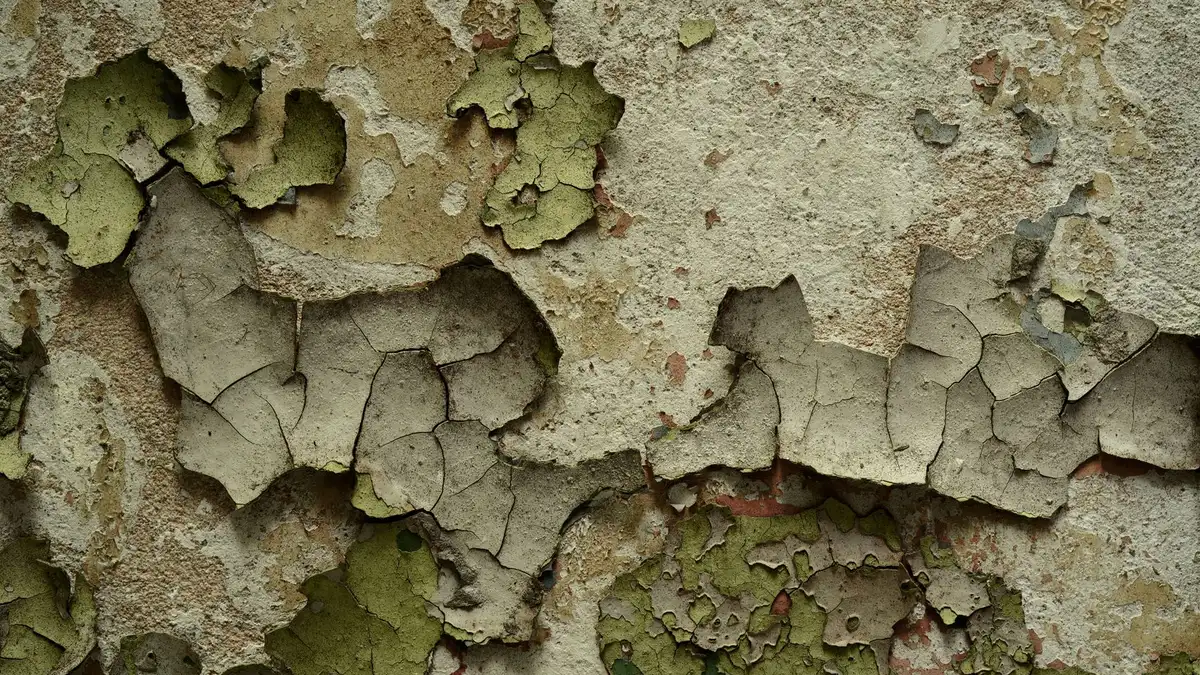
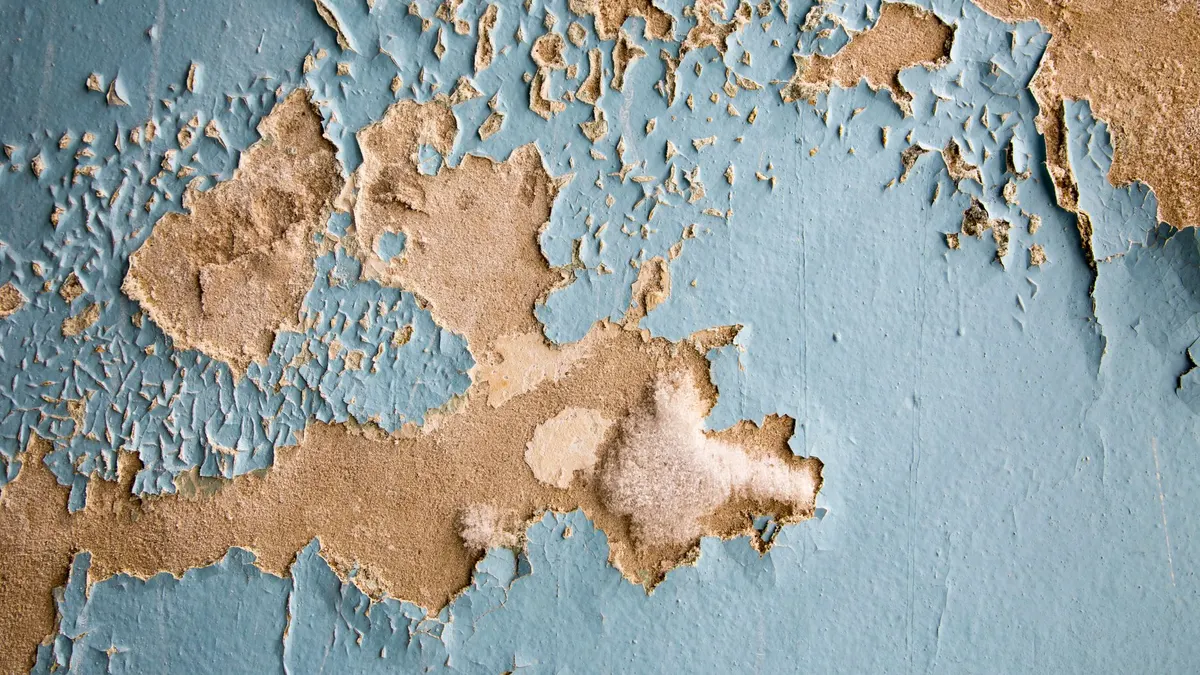
Wall paint peels because it lost its bond to the surface underneath — usually from moisture, insufficient prep, or paint applied over a dirty or glossy surface without primer. Repainting helps only if the underlying cause gets fixed first; paint over peeling paint just repeats the failure a little further down the timeline.
It's rarely the paint's fault, even though the paint is what you see falling off the wall.
Moisture Is the Most Common Cause
Bathrooms, kitchens, and exterior-adjacent walls are the most frequent spots for moisture-driven peeling. Water vapor gets behind the paint film and breaks the bond from underneath, which is why peeling near a shower, under a window, or along an exterior wall usually points to a moisture source rather than a paint defect.
Insufficient Prep Is the Second Most Common Cause
Paint applied over a dirty, greasy, or glossy surface without cleaning or sanding first never bonds properly, even if it looks fine when it's fresh. This kind of peeling often shows up in sheets or larger flakes rather than the fine cracking associated with moisture.
How to Tell Which Cause You're Dealing With
Peeling near a bathroom, kitchen, or exterior wall, especially with a musty smell or discoloration nearby, points to moisture. Peeling on an interior wall with no obvious water source, especially over an older paint layer or glossy trim, points to a prep or adhesion issue instead.
- Near moisture sources + discoloration or smell → likely moisture-driven
- No moisture source + large flakes over old or glossy paint → likely a prep/adhesion issue
- Widespread across many rooms → worth checking for a broader humidity or ventilation issue
Fixing It Properly, Not Just Repainting Over It
Resolve the moisture source first — ventilation, a leak, or condensation control — then scrape back to a sound surface, sand, prime, and repaint. Skipping the root cause and just repainting means the same failure returns, often faster the second time since the surface is now less sound than before.
When to Bring In a Professional
Peeling spread across a large area, recurring peeling in the same spot after a repaint, or peeling paired with a visible moisture source (staining, warping, a musty smell) are all situations worth a professional look before repainting again. Our guide on fixing a bad paint job covers how to scope the repair once the cause is identified, and water stains coming through new paint covers a closely related failure pattern.
Questions Answered
Why Is Your Wall Paint Peeling—and Will Repainting Help?, Answered
Almost always moisture or insufficient prep — a bond failure between the paint and the surface underneath, not the age of the paint itself.
Written By
USA Pro Painters TeamHomeowner Success Team, USA Pro Painters
10 years connecting homeowners with licensed, insured local painters nationwide, backing 500+ completed projects. Writes from real matches and real jobs, not a marketing calendar.