Repair
Why Fresh Paint Bubbles and How to Find the Cause
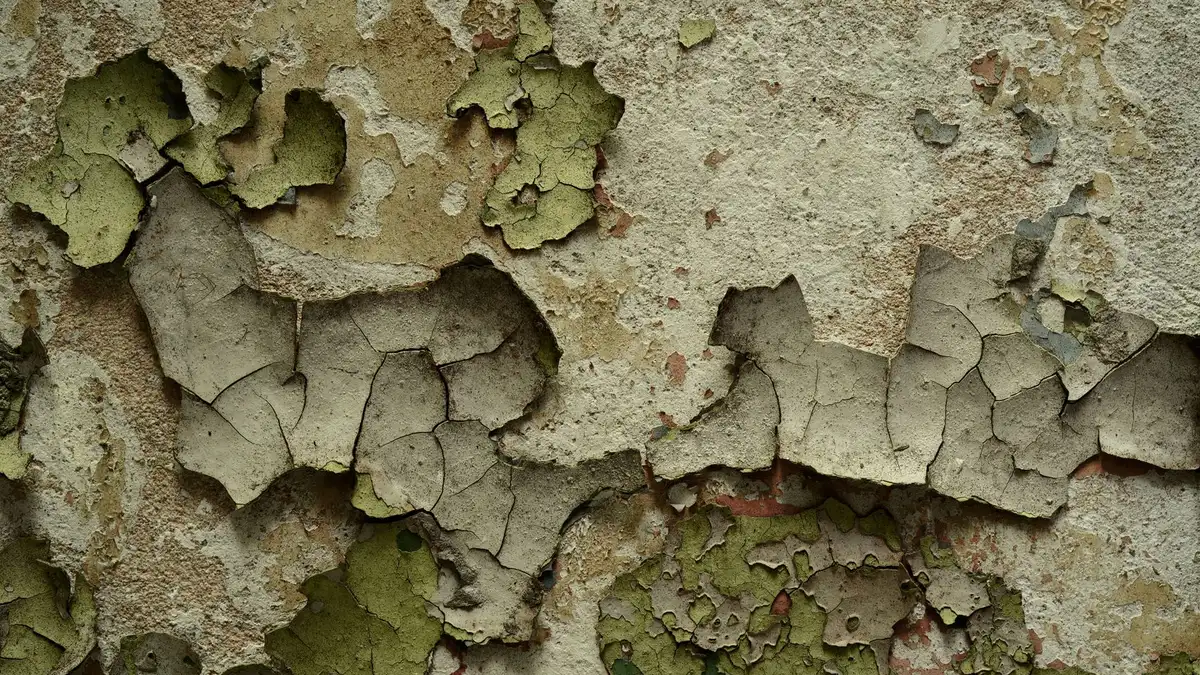
Fresh paint bubbles when moisture, heat, or trapped air gets between the paint film and the surface underneath before or during drying — the paint lifts away from the wall in small pockets instead of bonding flat. Finding which of the three caused it determines whether the fix is a quick patch or something more involved.
None of the three causes are solved by simply popping the bubble and hoping. That approach solves it about as well as ignoring a check-engine light solves a car problem.
Moisture Bubbling: The Most Common Cause
Painting over a slightly damp surface, or paint applied in a humid room without adequate airflow, traps moisture that pushes the paint film up as it tries to escape. This is common in bathrooms, kitchens, and any wall painted shortly after a leak or before a surface was fully dry.
Heat Bubbling: Sun or a Warm Surface During Application
Painting a surface that's too warm — direct sun on an exterior wall, or a wall near a heat source indoors — can cause the paint to dry too fast on the surface while still wet underneath, trapping solvent or moisture as it tries to evaporate. This is more common outdoors, especially on south- and west-facing walls during peak sun hours.
Adhesion Bubbling: Poor Surface Prep
Painting over a dirty, greasy, or glossy surface without proper cleaning or sanding gives the new coat nothing to grip, and it can lift in small bubbles wherever adhesion is weakest — often the first sign of a broader peeling problem to come.
How to Tell the Three Apart
Bubbling near a bathroom, kitchen, or shortly after a leak points to moisture. Bubbling on a sun-exposed exterior wall or near a heat source points to heat. Bubbling scattered without an obvious moisture or heat source, especially over an older or glossy surface, points to adhesion.
- Near moisture sources → moisture bubbling
- Sun-exposed or near heat → heat bubbling
- No obvious source, over old/glossy paint → adhesion bubbling
The Fix Is the Same Sequence Either Way
Scrape back the bubbled area to a sound surface, address the underlying cause (ventilation for moisture, timing for heat, sanding and cleaning for adhesion), then prime and repaint. Trying to skip straight to a fresh coat over unresolved bubbling just moves the same problem a few months down the road — see our guide on fixing a bad paint job for the full repair sequence.
Questions Answered
Why Fresh Paint Bubbles and How to Find the Cause, Answered
Usually trapped moisture, a surface that was too warm during application, or poor adhesion from insufficient surface prep — the paint lifts away from the wall instead of bonding flat.
Written By
USA Pro Painters TeamHomeowner Success Team, USA Pro Painters
10 years connecting homeowners with licensed, insured local painters nationwide, backing 500+ completed projects. Writes from real matches and real jobs, not a marketing calendar.