Materials
Do You Really Need to Wash Walls Before Painting?
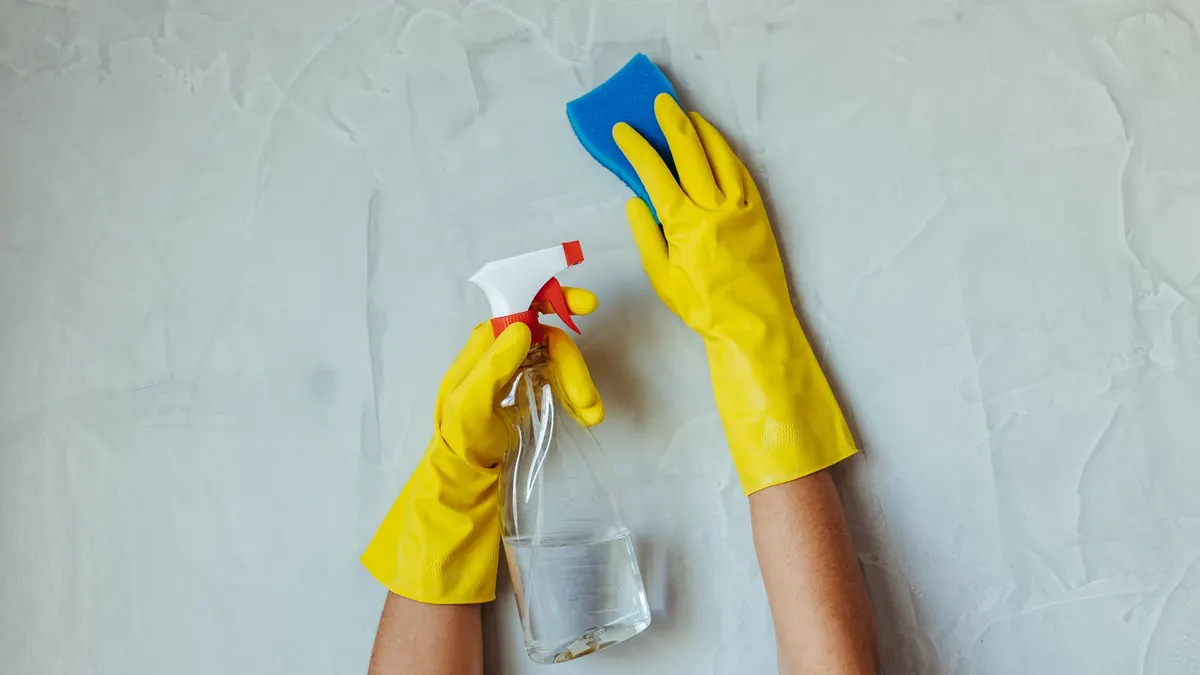
Walls need washing before painting when there's visible grease, dust buildup, or residue — kitchens, near light switches, and rooms with cooking or heavy handling are the most common cases. A visibly clean wall in a low-traffic room can sometimes skip a full wash, but a quick dust wipe-down is worth doing regardless, since dust alone can affect adhesion.
Paint doesn't care how clean a wall looks. It cares what's actually sitting on the surface at a molecular level, which is a much lower bar for "gross" than the human eye uses.
Why This Step Affects Adhesion, Not Just Appearance
Grease, cooking residue, and even accumulated dust create a thin barrier between the wall and the new paint, preventing a full, even bond. This isn't always visible to the eye — a wall can look clean and still carry enough residue to affect how paint adheres, especially in kitchens.
Where Washing Matters Most
Kitchens (grease from cooking), around light switches and door frames (hand oils from frequent touching), and bathrooms (soap residue and moisture film) are the highest-priority areas for a proper wash before painting.
- Kitchen walls, especially near the stove
- Light switches, door frames, and handrails
- Bathroom walls near sinks and showers
How to Wash Walls Correctly Before Painting
A mild detergent solution, applied with a sponge and rinsed with clean water, removes most residue without damaging the existing paint or drywall paper. Avoid harsh degreasers on delicate surfaces, and let the wall fully dry before priming or painting — painting over a damp wall traps moisture and risks bubbling.
When a Quick Dust Wipe Is Enough
Bedrooms, living rooms, and other low-traffic spaces with no visible grease or heavy handling usually just need a dry or lightly damp cloth wipe to remove surface dust — a full detergent wash isn't necessary in these lower-risk rooms.
The Cost of Skipping This Step Entirely
Painting over grease or residue is one of the less obvious causes of poor adhesion or a patchy-looking finish — it doesn't announce itself the way a cracked wall does, but it's part of the same category of prep that determines whether a paint job lasts. Our guide on paint bubbling and why paint looks patchy both cover adhesion issues that trace back to this exact step being skipped.
Questions Answered
Do You Really Need to Wash Walls Before Painting?, Answered
Not every wall equally — kitchens, areas near light switches, and bathrooms benefit most from a proper wash. Low-traffic rooms like bedrooms often just need a dust wipe-down.
Written By
USA Pro Painters TeamHomeowner Success Team, USA Pro Painters
10 years connecting homeowners with licensed, insured local painters nationwide, backing 500+ completed projects. Writes from real matches and real jobs, not a marketing calendar.