Materials
Should You Caulk Before or After Painting Trim?
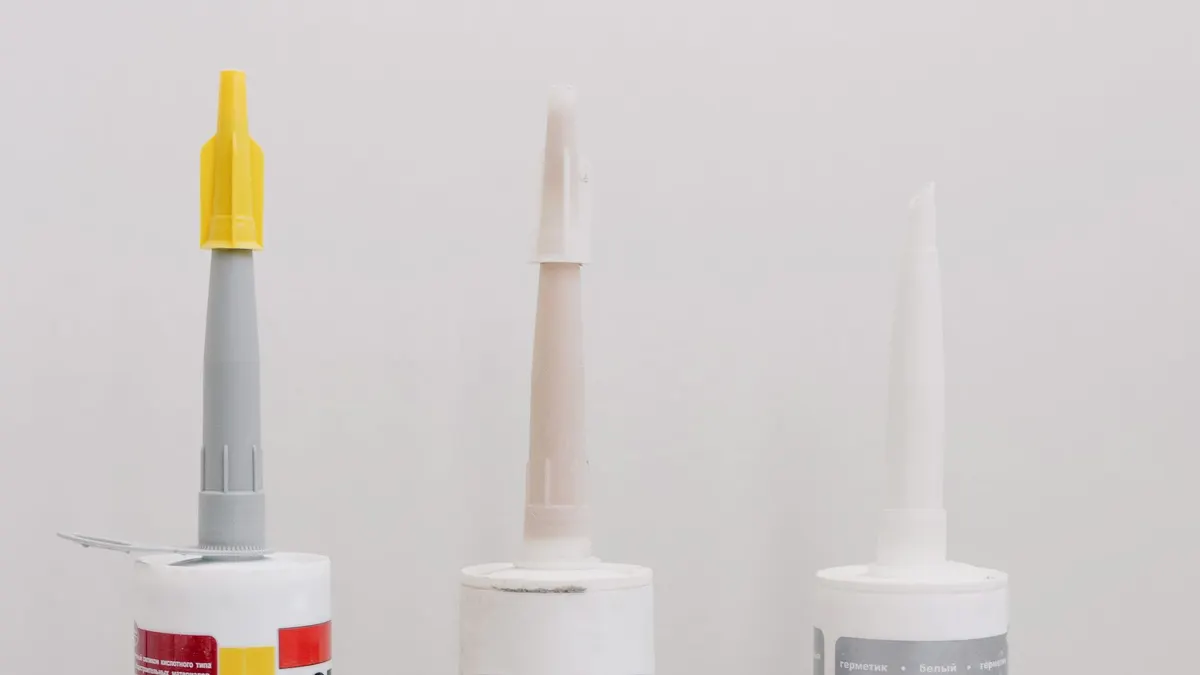
Caulk goes before paint, not after — a paintable caulk needs to cure and then gets covered by the topcoat, which seals and protects it. Applying caulk after painting means an unpainted bead sitting on top of a finished surface, which looks unfinished and won't hold up as well over time.
The order isn't really up for debate. What's actually worth thinking about is which joints get caulked in the first place, and which ones need to breathe.
The Correct Order: Caulk, Cure, Then Paint
Apply caulk to the joints that need it, let it fully cure according to the product's instructions (often 24 hours, sometimes less for paintable acrylic latex formulas), then paint over it as part of the normal topcoat. This gives you a clean, sealed, uniform finish where the caulk is essentially invisible once painted.
Which Joints Actually Need Caulk
Gaps between trim and the wall, seams where two pieces of trim meet, and small nail holes are the standard candidates for caulk before painting. Sealing these prevents drafts, gives a cleaner painted line, and stops small gaps from becoming dust and debris traps.
- Trim-to-wall gaps
- Seams where trim pieces join
- Small nail holes in trim (as an alternative to wood filler)
Which Joints Should Stay Open, On Purpose
Joints designed to allow movement — where two different materials meet, or expansion joints in certain trim systems — shouldn't be caulked shut, since sealing them can cause cracking as the materials expand and contract at different rates. If you're unsure whether a specific gap is structural or cosmetic, it's worth checking before caulking it closed.
Make Sure You're Using Paintable Caulk
Not all caulk accepts paint well — some silicone formulas resist paint adhesion entirely, leading to peeling or an uneven finish right along the caulk line. Acrylic latex caulk, labeled specifically as paintable, is the standard choice for trim work ahead of a paint job.
Getting a Clean, Professional-Looking Line
A smooth, consistent bead — tooled with a wet finger or a caulk tool before it skins over — paints far more cleanly than a rough or uneven application. This small step is a big part of what separates a trim job that looks finished from one that looks like caulk was applied in a hurry, and it matters equally on a DIY trim project or a professional one.
Questions Answered
Should You Caulk Before or After Painting Trim?, Answered
Before. Caulk needs to cure fully, then gets covered by the paint as part of the normal topcoat — applying it after leaves an unpainted, unfinished-looking bead.
Written By
USA Pro Painters TeamHomeowner Success Team, USA Pro Painters
10 years connecting homeowners with licensed, insured local painters nationwide, backing 500+ completed projects. Writes from real matches and real jobs, not a marketing calendar.