Exterior
Should You Paint Your Brick House? Long-Term Trade-Offs
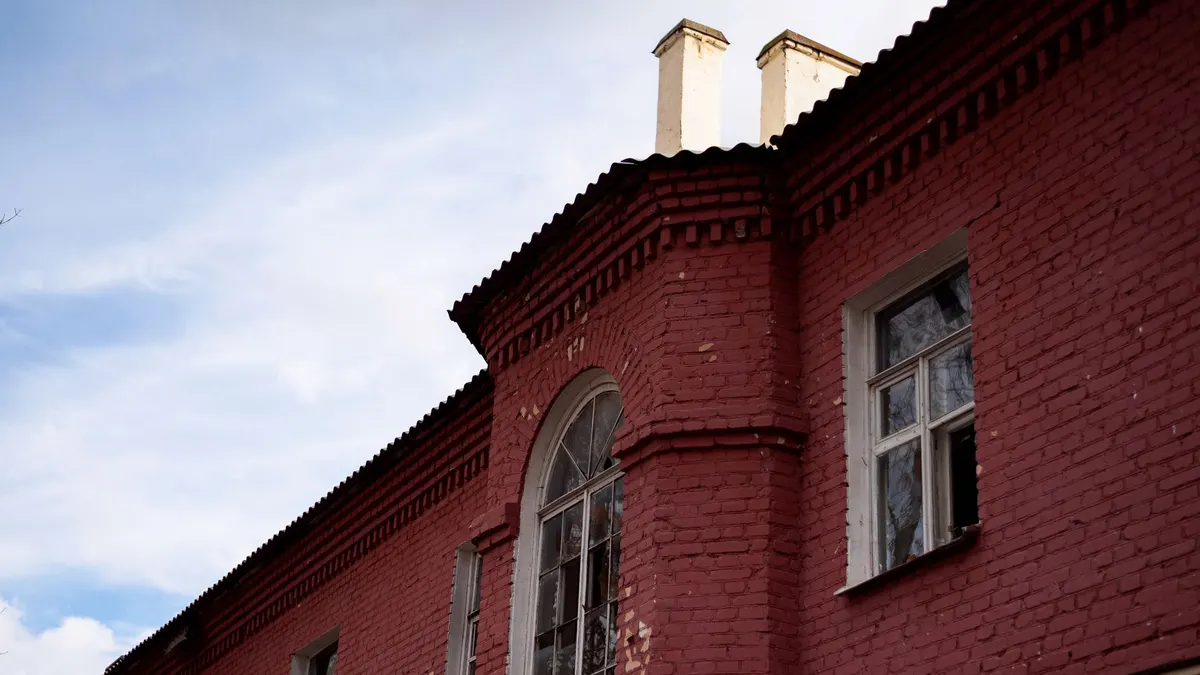
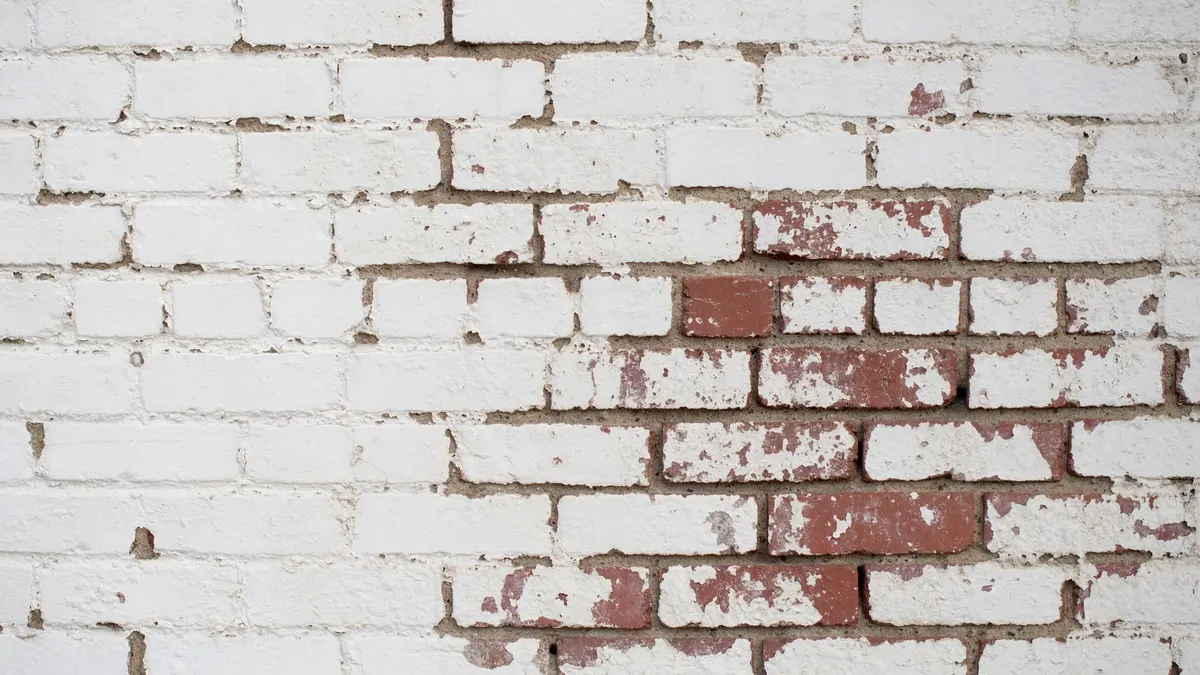
Painting a brick house changes its appearance and maintenance schedule permanently — once painted, brick needs ongoing repainting like any other exterior surface, and reversing back to natural brick is difficult and expensive. It's not a decision to make purely on looks; it's a maintenance and moisture commitment that outlasts the current color trend.
Unpainted brick has been quietly doing its job maintenance-free for decades. Painting it hires that job out to you, indefinitely.
The Case for Painting: Appearance and Uniformity
Painting can unify mismatched brick from additions or repairs, modernize a dated color, or simply match a homeowner's aesthetic preference more directly than natural brick allows. This is a legitimate reason many homeowners choose to paint, and it's a real, visible change.
The Case Against: Moisture Behavior Changes
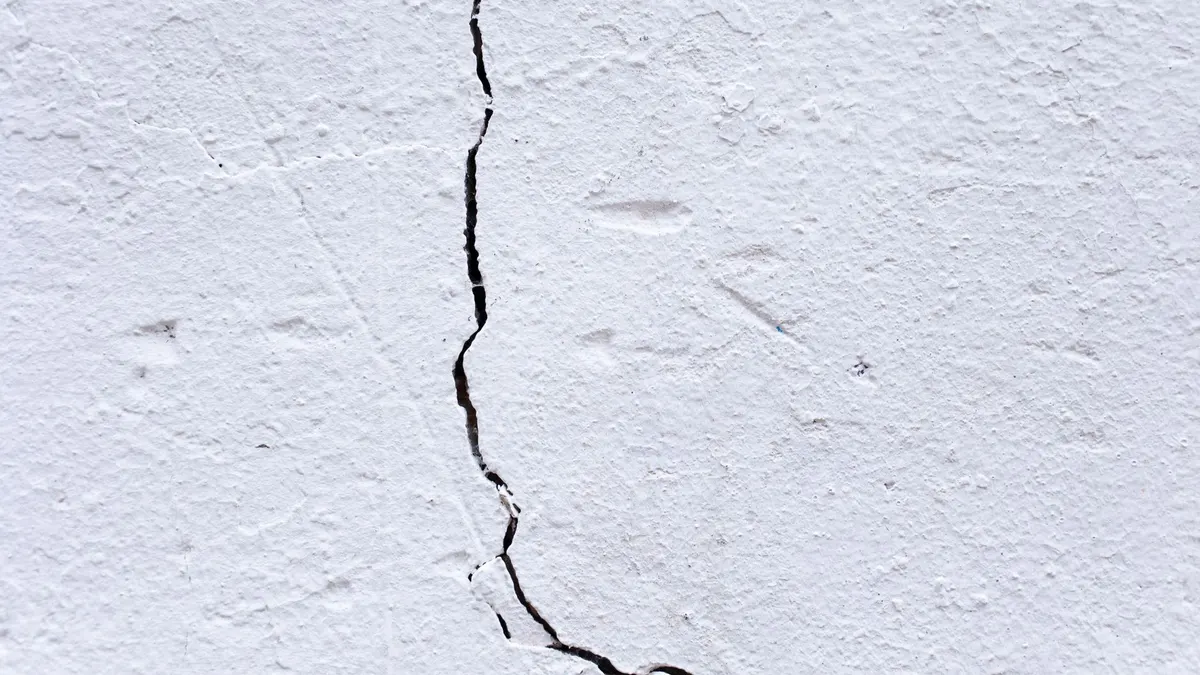
Unpainted brick is naturally porous and allows moisture to pass through and evaporate. The wrong type of paint can trap moisture inside the brick instead, leading to spalling (the brick surface flaking and breaking apart) over time. A vapor-permeable, masonry-specific paint reduces this risk, but it's a real consideration standard exterior paint doesn't address.
The Maintenance Commitment You're Signing Up For
Unpainted brick can go many decades with minimal maintenance beyond occasional repointing (repairing mortar joints). Painted brick needs repainting on a similar cycle to any other exterior surface — roughly every 7–10 years — turning a low-maintenance material into one with an ongoing schedule.
Reversing a Paint Job on Brick Is Genuinely Hard
Removing paint from brick, if you or a future owner decides to go back to natural brick, is a difficult, often expensive process that risks damaging the brick surface itself. Treat painting brick as a largely one-way decision rather than a trend you can easily undo later.
- Painted brick needs repainting roughly every 7–10 years, like other exterior surfaces
- Removing paint from brick is difficult and can damage the surface
- Unpainted brick can go decades with minimal maintenance beyond repointing
If You Decide to Paint, Do It With the Right Product
Use a vapor-permeable, masonry-specific paint rather than standard exterior paint, and confirm the brick is clean, dry, and free of existing moisture issues before starting. If long-term upkeep is the deciding factor, our limewash vs. paint comparison covers an alternative that changes brick's look with different maintenance trade-offs.
Questions Answered
Should You Paint Your Brick House? Long-Term Trade-Offs, Answered
Largely, yes. Removing paint from brick later is difficult and expensive, and risks damaging the brick surface, so it should be treated as a long-term commitment rather than an easily reversible choice.
Written By
USA Pro Painters TeamHomeowner Success Team, USA Pro Painters
10 years connecting homeowners with licensed, insured local painters nationwide, backing 500+ completed projects. Writes from real matches and real jobs, not a marketing calendar.