Materials
Low-VOC Paint, Explained for Homeowners
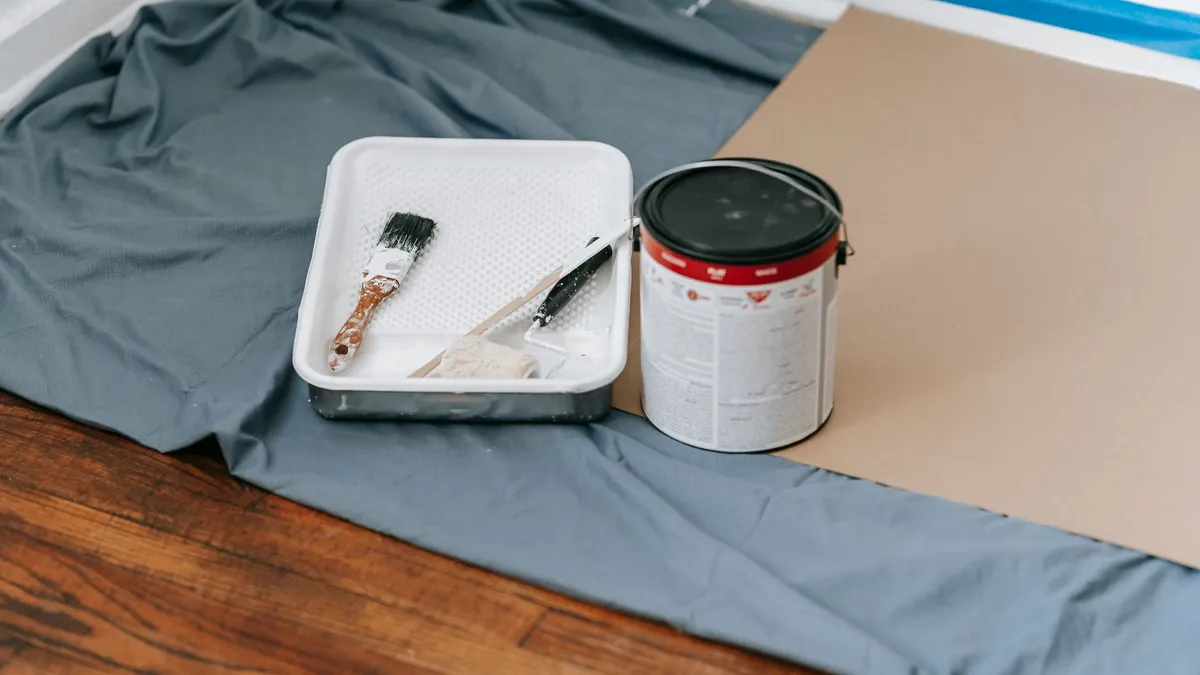
VOC stands for volatile organic compounds — the chemicals a paint releases into the air as it dries and cures. Low-VOC paint contains fewer of these compounds than standard paint, which means less off-gassing, a fainter smell, and rooms that are safer to occupy sooner after painting.
It's not a marketing label. VOC content is a measured number, in grams per liter, and it's printed on the can or available in the product's technical data sheet.
What the VOC Number Actually Measures
VOCs are compounds that evaporate at room temperature — solvents in the paint that help it apply smoothly, then release into the air as the paint dries. Standard interior paint can run several hundred grams per liter; low-VOC paint is typically under 50 grams per liter, and zero-VOC formulas are under 5. The EPA's page on VOCs and indoor air quality covers how these compounds affect indoor air beyond just the smell, including longer-term off-gassing after the paint feels dry to the touch.
Why It Matters More in Some Rooms Than Others
VOC exposure matters most in poorly ventilated rooms and for anyone especially sensitive to airborne chemicals — infants, people with asthma or chemical sensitivities, and anyone spending extended time in a freshly painted room before it's fully cured. A nursery or a small bedroom with one window benefits more from a low- or zero-VOC formula than a garage or a well-ventilated open living space, though most contractors now use low-VOC lines as the default across every room rather than reserving it for the rooms that need it most — that's the standard we use on every interior painting job in Burlington.
Low-VOC Doesn't Mean Faster Dry Time — Cure Time Is Different
Dry-to-touch and fully cured are two different things, and this is where low-VOC paint gets misunderstood. A low-VOC wall can feel dry within a few hours, but the paint film is still curing — off-gassing at a lower level and building full hardness — for up to two to four weeks. It's safe to occupy the room sooner than with a high-VOC paint, but it's still worth cracking a window for the first day or two regardless of which formula was used.
Does Lower VOC Mean Lower Durability?
Not anymore. Early low-VOC formulations in the 2000s had a real durability gap compared to standard paint, but current premium low-VOC lines perform comparably on washability and coverage. The American Coatings Association tracks formulation standards across the industry if you want to verify a specific product's testing beyond what's on the label.
Where Low-VOC Applies Beyond Walls
Low-VOC options extend past wall paint — primers, and the finishes used on cabinet painting projects, have low-VOC formulations too, which matters more for cabinets specifically since a kitchen sees more occupied hours per day than most rooms. Ask about VOC content for primer and topcoat separately; a low-VOC topcoat over a standard-VOC primer only gets you halfway there. The same question is worth asking before a popcorn ceiling repair, since joint compound and primer both off-gas during cure the same way wall paint does.
Questions Answered
Low-VOC Paint, Explained for Homeowners, Answered
It's safer than standard paint, but the paint film keeps curing for two to four weeks after it feels dry. Ventilate the room for the first day or two regardless of formula.
Written By
USA Pro Painters TeamHomeowner Success Team, USA Pro Painters
10 years connecting homeowners with licensed, insured local painters nationwide, backing 500+ completed projects. Writes from real matches and real jobs, not a marketing calendar.