Repair
Why Is One Side of Your House Fading Faster?
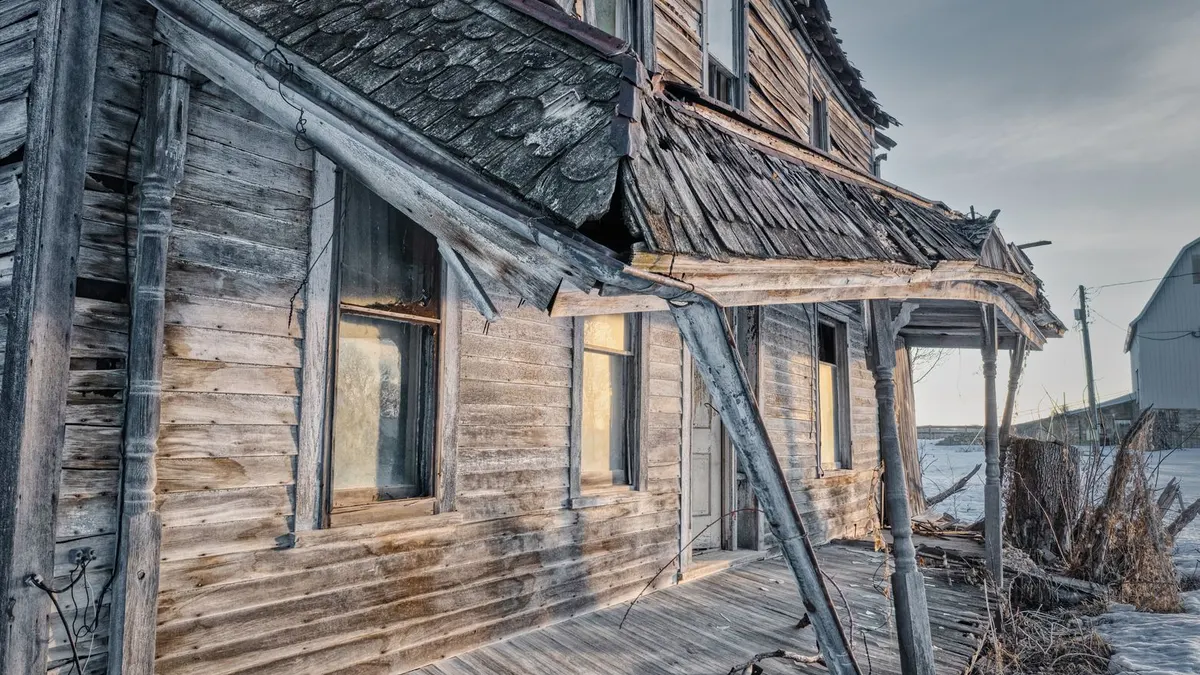
One side of a house fades faster than the others almost entirely because of sun exposure — south- and west-facing walls take more direct UV over the course of a year than north-facing walls, and UV breaks down pigment and binder over time regardless of paint brand. It's not a sign of a defective product on the faded side.
The sun doesn't grade on a curve. It just shows up every day, on the same wall, whether the paint asked for it or not.
Why Orientation Matters More Than Almost Anything Else
South- and west-facing walls receive significantly more direct sun over a year than north-facing ones, and UV exposure is the primary driver of fading — it breaks down the pigments and resin binders in paint over time. Two walls painted on the same day, with the same product, can visibly diverge in color within a few years purely based on which direction they face.
Darker and More Saturated Colors Fade More Visibly
Fading happens to every color, but it's more noticeable on darker or more saturated colors because the contrast between fresh and faded is larger. A pale neutral fading slightly is much less visible than a deep red or navy losing the same percentage of its original saturation.
Surface Material Plays a Role Too
Wood siding absorbs and releases moisture with the seasons in a way that can accelerate fading and surface breakdown compared to vinyl or stucco under the same sun exposure. This compounds with orientation — a south-facing wood wall typically fades faster than a south-facing vinyl one.
Is This Normal Fading or an Early Failure?
Even, gradual color fading without chalking, cracking, or peeling is normal weathering, not a sign of a failing paint job. Chalking (a powdery residue that rubs off on your hand) alongside the fading suggests the paint's protective binders are breaking down, which is closer to end-of-life than simple fading.
- Even fading, no chalking or cracking → normal weathering, not a failure
- Fading plus chalking → binders breaking down, repaint is approaching
- Fading plus cracking or peeling → active failure, worth assessing soon
Managing Uneven Fade Between Now and a Full Repaint
There's no way to slow fading on the sun-exposed side without changing the color or the paint line to one with better UV resistance — the American Coatings Association tracks fade-resistance formulation differences across product lines if you want to compare before your next repaint. Our guide on how long exterior paint actually lasts covers what typically triggers a full repaint versus waiting it out.
Questions Answered
Why Is One Side of Your House Fading Faster?, Answered
South- and west-facing walls receive far more direct UV exposure over a year, and UV breaks down paint pigment and binder over time — it's exposure, not a defect in that section of paint.
Written By
USA Pro Painters TeamHomeowner Success Team, USA Pro Painters
10 years connecting homeowners with licensed, insured local painters nationwide, backing 500+ completed projects. Writes from real matches and real jobs, not a marketing calendar.