Repair
Why Wall Cracks Return After Painting
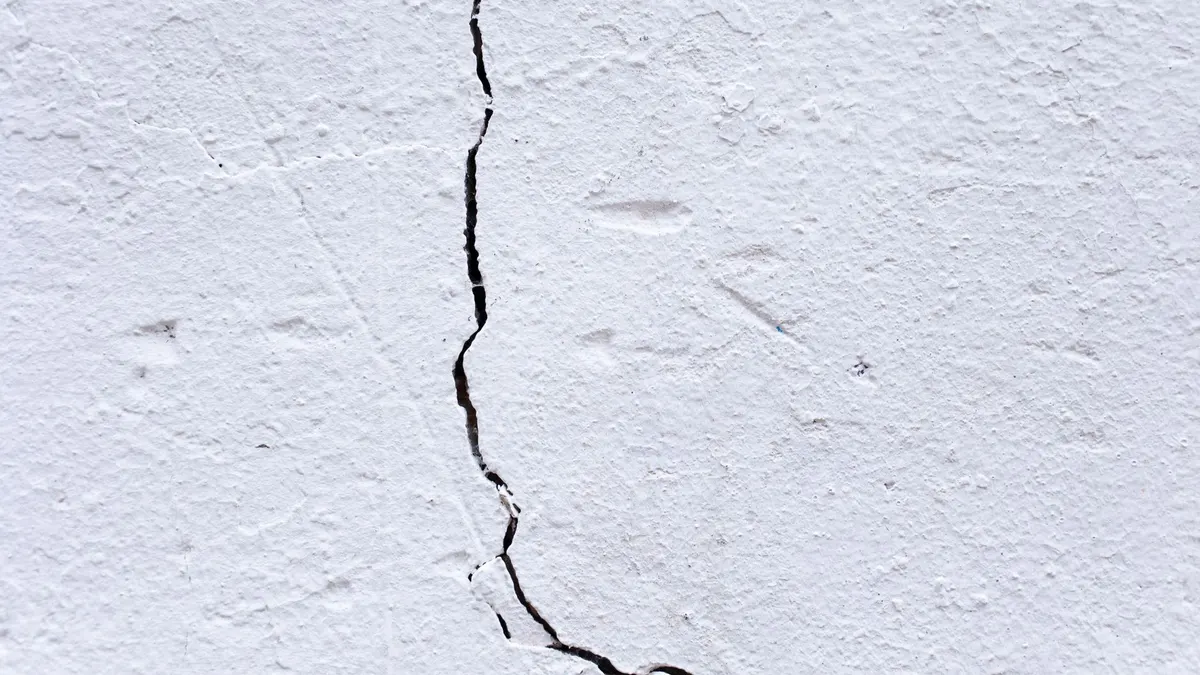
Wall cracks return after painting when the underlying surface is still moving — seasonal settling, temperature-driven expansion and contraction, or structural settling — and a standard patch-and-paint fix isn't flexible or reinforced enough to hold across that movement. Paint alone was never going to stop a wall from moving; it was only ever meant to cover a crack that had already stopped.
This is the difference between fixing a crack and fixing why the crack exists — and only one of those actually holds.
Hairline Cracks vs. Structural Cracks
Thin, straight hairline cracks — especially along seams where drywall sheets meet or at corners — are usually cosmetic and related to normal seasonal movement. Diagonal cracks, cracks wider than a credit card's edge, or cracks paired with a door or window that's started sticking point to structural settling that a simple patch won't resolve.
Why a Standard Patch Doesn't Hold Against Movement
A basic joint compound patch is rigid once it dries — it doesn't flex with the wall the way the surrounding drywall does under seasonal expansion and contraction. If the wall keeps moving even slightly, a rigid patch cracks again along the same line, sometimes within months of repainting.
The Right Repair for a Wall That's Still Moving
A flexible patching compound or mesh tape reinforcement across the crack, rather than a rigid compound alone, gives the repair some ability to move with the wall instead of cracking again at the same seam. This is a different (and slightly more involved) repair than a simple cosmetic patch.
Seasonal Movement vs. an Ongoing Structural Issue
A crack that reopens once a year with the seasons, in the same predictable spot, is usually just normal house movement — most homes have a few of these. A crack that keeps growing, reappears repeatedly regardless of season, or is accompanied by other signs (sticking doors, uneven floors) is worth a structural assessment before another repaint.
- Reopens seasonally, same spot, doesn't grow → likely normal movement
- Diagonal, wider than a credit card, or growing → worth a professional look
- Paired with sticking doors or uneven floors → structural assessment recommended
When It's Reasonable to Just Repaint Again
For a small, seasonal hairline crack, using a flexible patching compound and repainting once a year (or whenever it reopens) is a completely reasonable, low-cost approach. For anything larger or structural, address the movement first — repainting over it is a cosmetic fix on a problem that isn't cosmetic.
Questions Answered
Why Wall Cracks Return After Painting, Answered
The wall is likely still moving — from seasonal expansion, temperature changes, or structural settling — and a standard rigid patch doesn't flex enough to hold across that movement.
Written By
USA Pro Painters TeamHomeowner Success Team, USA Pro Painters
10 years connecting homeowners with licensed, insured local painters nationwide, backing 500+ completed projects. Writes from real matches and real jobs, not a marketing calendar.